

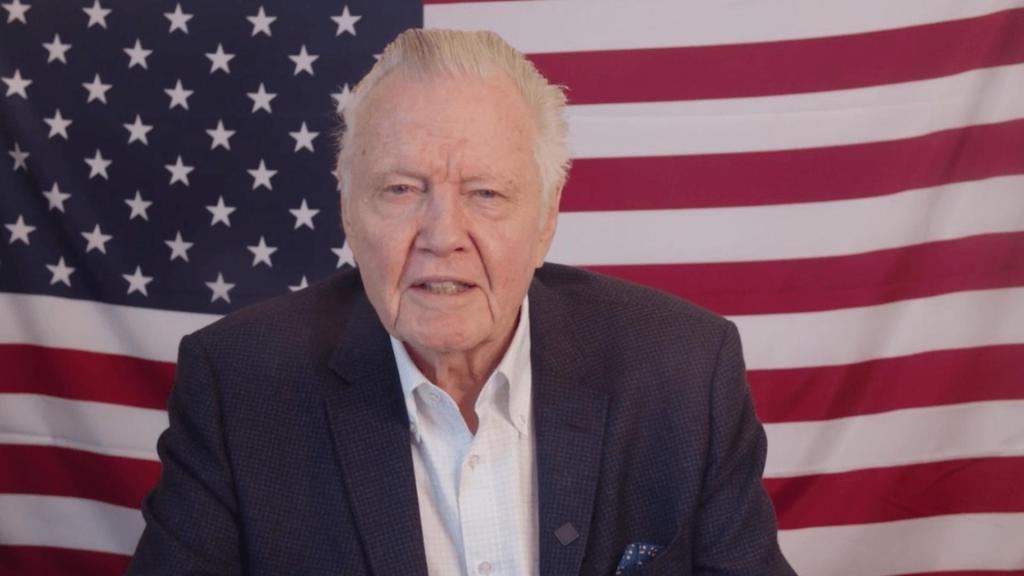
There’s something almost hilariously backward about Jon Voight becoming the face of Hollywood’s supposed salvation. The man’s filmography includes Anaconda, and now he’s pitching a plan to bring movie-making back to America like he’s some kind of cinematic Moses. But beneath the political theater and the chest-pounding nationalism is an idea that a lot of people—especially folks nostalgic for the “good old days” of Hollywood—want to believe: that we can make Hollywood great again by keeping it all at home.
The problem is, Hollywood doesn’t live in one country anymore. It hasn’t for a long time. The industry is global. The talent is global. The audience is global. And trying to wrap it in an American flag and call it fixed is like duct-taping a broken projector and calling it 4K. Sure, it might look like it’s working from a distance. But up close, it’s a mess.
Voight’s plan—co-signed by Trump, of course—leans heavily on tax incentives, domestic job creation, co-production treaties, and a big ol’ stick in the form of tariffs for movies produced overseas. The idea is to lure studios back to U.S. soil, get the cameras rolling stateside, and keep that sweet box office revenue in Uncle Sam’s backyard. On paper, it sounds like a jobs program. In reality, it’s more like a budget trap.
Here’s the thing: movies already cost too much to make. Budgets have ballooned to absurd levels, with even mid-tier blockbusters racking up nine-figure price tags before marketing. Why? Because the U.S. is expensive. Labor costs are high, union regulations are tight, and foreign governments—like those in the U.K., Canada, or New Zealand—are more than happy to sweeten the deal with huge tax breaks. You think Mission: Impossible filmed in Venice just for the gondolas? No, they went where the money worked.
Force everything back into the States and you don’t just make movies more expensive—you make them riskier. That means fewer movies get greenlit. That means fewer weird little experiments, fewer new voices, and more sequels to IP that should’ve stayed buried. And let’s not even start on the international market, which accounts for more than half the earnings of most major releases. Slapping tariffs on foreign-made films is a surefire way to piss off global distributors and tank goodwill in territories where American movies still dominate. So congratulations, Jon—you’re making it more expensive to make movies and harder to sell them abroad.
But here’s the part that really drives me nuts: this entire conversation about “saving” Hollywood conveniently ignores the one place where audiences actually experience movies—the theater. You want to revive cinema? Start with the seats. Start with the screens. Start with the damn smell of burnt popcorn in a place that doesn’t feel like it was last deep-cleaned in 2008.
Right now, the theatrical business is chasing whales. IMAX, Dolby, 4DX—all the big premium formats are thriving because they offer what regular theaters don’t: quality. These places have plush recliners, pristine audio, and screen sizes that actually feel like an event. But that experience comes at a cost—sometimes $25 a ticket—and that leaves the average moviegoer standing outside the club, nose pressed to the glass.
It’s the video game loot box model. Theaters aren’t trying to get everyone in the door anymore. They’re trying to squeeze more money out of the few people who still think it’s worth it. That’s a dangerous game to play. Because when the middle falls out—when the casual viewers who used to go see whatever’s new stop showing up entirely—you don’t have a theatrical industry anymore. You have a boutique showcase for franchise fans and tech enthusiasts.
And it’s not just the ticket prices. It’s the inconsistent quality of the experience. Crappy projectors. Dull sound. Teenagers live-TikToking their way through the movie. You can’t charge luxury prices for a discount-bin experience and expect people to come back for more. The movies might be good again—Dune: Part Two and Oppenheimer proved that—but the venues aren’t always holding up their end of the deal.
So when people like Voight talk about saving Hollywood by pumping money into production and waving flags, they’re missing the forest for the popcorn machine. Hollywood doesn’t need a protectionist wall around it—it needs to reconnect with its audience. That means embracing the global nature of the business. It means respecting the people who shell out their hard-earned money for a night at the movies. And yeah, it means acknowledging that not every solution is going to come from a government handout or a tax break.
Making movies in America isn’t a bad idea. Neither is improving domestic infrastructure or boosting job training. But pretending that turning inward is the answer to a global industry’s problems is like insisting Blockbuster could’ve survived if they’d just opened more stores. The game has changed. You don’t win by doubling down on nostalgia. You win by evolving.
There’s still time to do that. There’s still time to make theaters matter again, to make moviegoing feel like an event instead of a chore. But it’s going to take more than a plan from Jon Voight. It’s going to take vision. And popcorn that doesn’t cost nine bucks a bucket.

 Hollywood After Dark