
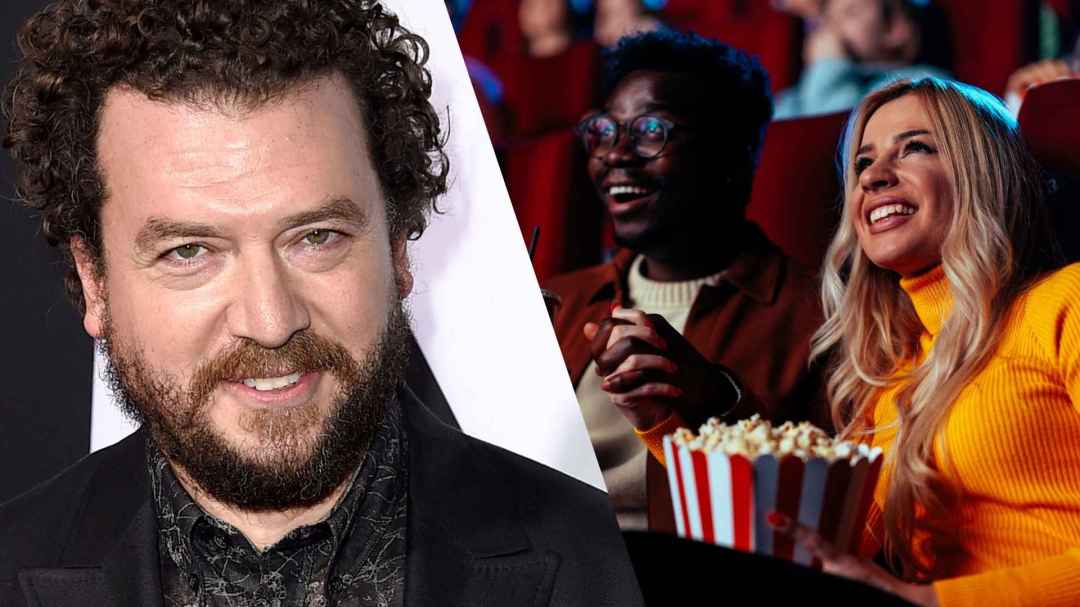
Danny McBride may be known for playing loud, chaotic men with anger issues and questionable morals, but when it comes to movie theaters, the man is shockingly grounded—and painfully right.
In a recent interview promoting the finale of The Righteous Gemstones, McBride let loose about the sorry state of some suburban movie theaters. He wasn’t attacking movies. He was talking about the experience of going to see them—something he feels, and many would agree, has been in steady decline outside major cities. “I’ll buy a ticket to a theater around here, and it feels like you’re in a halfway house,” he said. “There’ll be movies where I’ll go in, see what screen it’s on and walk right out because I know that the speaker hums or there’s a smell in there.”
That’s not just sarcasm. That’s a reality a lot of us have run into at least once in the last decade. You pay $17 for a ticket, sit through 25 minutes of previews and soda ads, and then hope no one near you pulls out their phone to record a TikTok mid-scene. And God help you if the lights stay on during the first act. So yeah, watching the latest release at home in a comfy chair with a decent soundbar starts to sound pretty appealing.
But here’s the thing: people do still go to the movies. April 2025 proved that in a big way. The Minecraft Movie exploded with an $873 million global haul. Ryan Coogler’s Sinners, an original horror film starring Michael B. Jordan, brought in over $236 million and critical raves. Even mid-tier films like The King of Kings and The Amateur found their footing. That kind of box office bounce doesn’t happen if people aren’t willing to show up. They will—when the offering is worth their time, money, and energy.
And it’s not like theater chains aren’t trying. AMC, Regal, and Cinemark are investing a combined $2.2 billion into upgrades—reclining seats, Dolby sound, 4K laser projection, the works. A lot of theaters are already doing a fantastic job creating spaces that feel immersive and welcoming again. Indie cinemas, Alamo Drafthouse locations, and even many chain theaters are working hard to make the moviegoing ritual special. You can feel the effort.
But others? Not so much. Especially in smaller towns or aging multiplexes, it still feels like 2004 inside—if you’re lucky. That’s where McBride’s point really lands. He’s not saying all theaters suck. He’s saying too many have let things slide for too long and forgotten how to make it feel worth it.
And here’s where we have to talk about the elephant in the room: the human element. The biggest threat to a great theatrical experience isn’t always the sound system—it’s the people. Theater etiquette has taken a serious hit in the streaming era. Phones light up mid-movie. People talk through key scenes. Someone’s always unwrapping snacks like they’re performing surgery in a cave. And the staff? The people who work at these theaters often aren’t paid enough to deal with the blowback when they ask someone to put their phone away or stop being disruptive. So, understandably, a lot of them just hand out a voucher and move on.
No one wants to spend a night out having a confrontation in the dark. But when you add up enough of these little annoyances—and you’re paying premium prices for the privilege—it’s easy to see why some folks stay home.
And then there’s the other half of the equation: Hollywood.
For years now, studios have churned out movies designed more for post-theatrical streaming life than the big screen. Projects greenlit not because of passion or originality but because they’ll look good in a content carousel next to last month’s direct-to-digital rom-com. These films aren’t built to be shared in a theater full of strangers—they’re built to be watched on a Tuesday night while you half-scroll through Instagram. Even when a solid theatrical release drops, studios often yank it to VOD within two or three weeks. Why rush to the theater when you know it’ll be on streaming before the popcorn in your car goes stale?
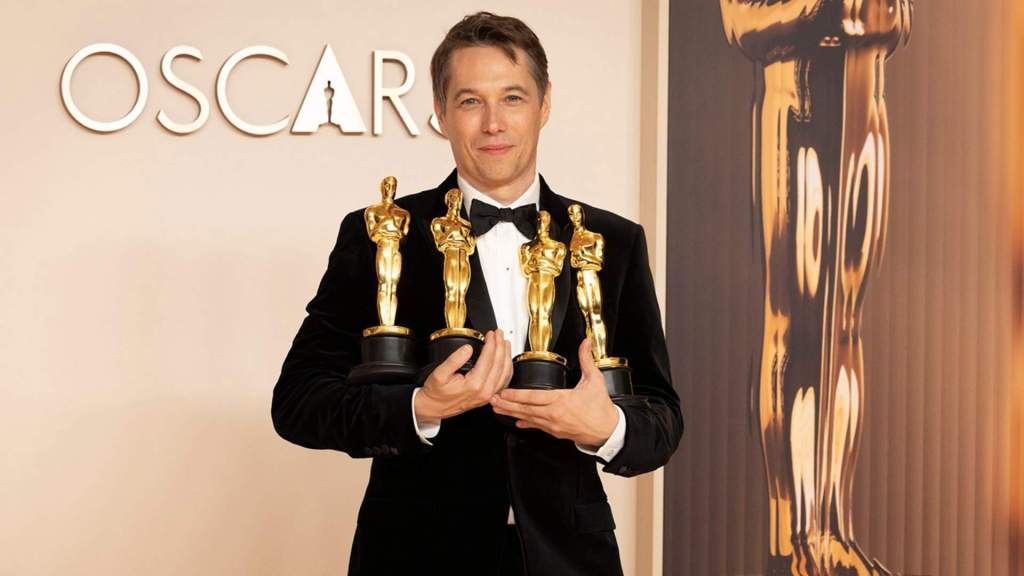
That’s why voices like Sean Baker are speaking up. During his 2025 Oscars acceptance speech, he made a direct plea to bring back the 90-day theatrical window. AMC’s CEO Adam Aron echoed that sentiment, calling the current system a failed experiment. Cinema United’s Michael O’Leary wants a 45-day minimum. And internationally, Indian superstars like Shah Rukh Khan and Aamir Khan are calling for a six-month window before films hit streaming. This isn’t about gatekeeping—it’s about survival. You can’t keep cutting the legs out from under the theatrical experience and then act surprised when the audience doesn’t show up.
So where does that leave us?
In a better place than we were two years ago, but still on fragile ground. Theaters are improving. Some studios are starting to rethink strategy. And audiences? They’re willing—but only if they’re treated like they matter.
This doesn’t mean every theater needs to be a luxury palace. It just means the bar needs to be higher than “good enough.” If you’re running a theater, make sure the screen works, the sound is solid, and your staff feels safe and respected enough to help enforce some basic etiquette. If you’re in the audience, treat the space like what it is—a shared experience, not your living room.
McBride nailed it: “It’s not about finding what the audience wants to see. It’s about reestablishing why it’s important to go to movies in the first place.”
And he’s right. Not every theater is falling apart. Not every screening is a disaster. But when people do have bad experiences—especially when they’re repeat ones—they start to pull back. They stop showing up. And once they’re gone, it’s hard to get them back.
So if there’s a movie you want to see, go. If a theater is doing things right, support them. And if you care about what movies could be again, be part of the audience that helps get us there. Because watching at home might be convenient, but when a movie hits right in a packed room full of strangers? That’s still magic. That’s still worth showing up for.


