
Hollywood is finally figuring out how to make good video game movies, which feels like something we should’ve cracked decades ago. The Super Mario Bros. Movie crossed a billion dollars without breaking a sweat. HBO’s The Last of Us cleaned up at the Emmys and had people ugly crying over fungal zombies. Even Minecraft—yes, Minecraft—just made fifty-eight million dollars in a single day. Meanwhile, one of the biggest games of all time, Fortnite, is just sitting there. Untapped. Unadapted. It’s like standing in front of an open vault and going, “Eh, maybe later.”
If there was ever a time to strike, it’s now. Fortnite is more than a game. It’s a cultural superstorm that somehow continues to grow, even after almost eight years. It started off as this oddball survival game about building forts and fighting zombies. Cool idea. Didn’t exactly set the world on fire. But then Epic Games dropped the battle royale mode, and the entire planet collectively downloaded it. One hundred million players a month. Billions in revenue every year. Fortnite is free to play, and yet it brings in more money than most movie studios dream about.
And look, Fortnite has something most games don’t. A story. A real one. The Zero Point. The Loop. The Seven. The Imagined Order. All these threads have been woven through live events and cinematic cutscenes for years. And the thing is, people actually care about this lore. Not in the way where it’s just a backdrop for gameplay. No. Players pay attention. They analyze every skin, every hint of dialogue, every cryptic teaser. There’s a whole saga here. One where the island is constantly shifting, entire realities are colliding, and characters are literally voiced by movie stars.
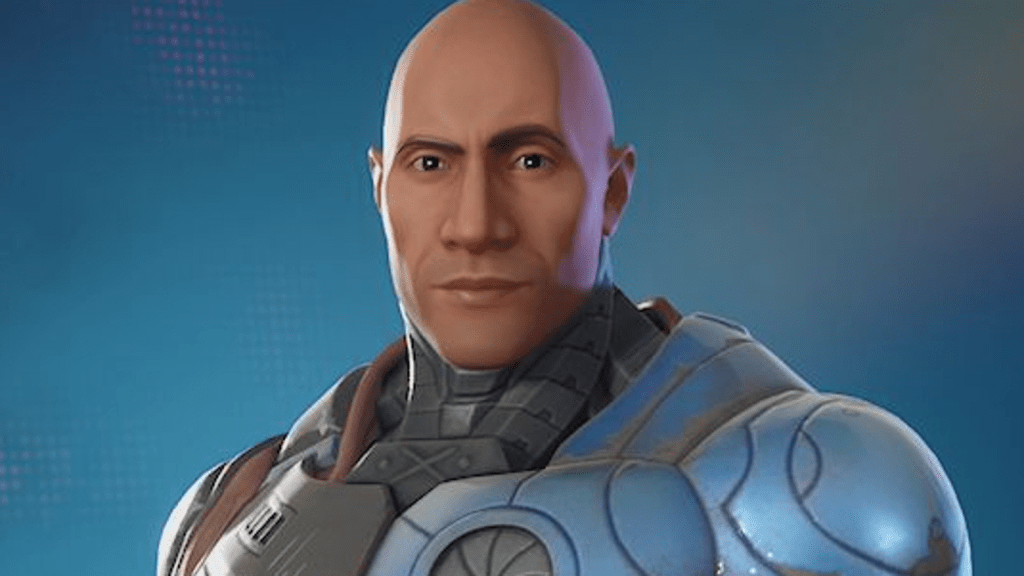
Dwayne Johnson plays The Foundation. Brie Larson voices The Paradigm. Joel McHale shows up as The Scientist. This isn’t just “get a celeb to read some lines” type of stuff. These are fully fleshed-out characters who have been central to some of the biggest events in Fortnite history. You’ve got factions fighting over control of reality. A mysterious force at the center of it all. A literal war between freedom and control. And it’s all just sitting there, waiting for a big-screen treatment.
The crossover potential alone is ridiculous. Fortnite is the only place where you can drop into battle as Spider-Man, do a TikTok dance with Master Chief, and then get sniped by Ariana Grande. It’s a pop culture fever dream that works because Epic somehow pulled off licensing agreements that even studios like Warner Bros. have trouble managing. Remember how hard Spielberg had to fight just to get a few cameos into Ready Player One? Fortnite does that stuff weekly. There’s a reason why Roger Rabbit’s contract famously required Mickey Mouse and Bugs Bunny to get equal screen time. Crossovers are delicate. But Epic has proven they can pull it off again and again.
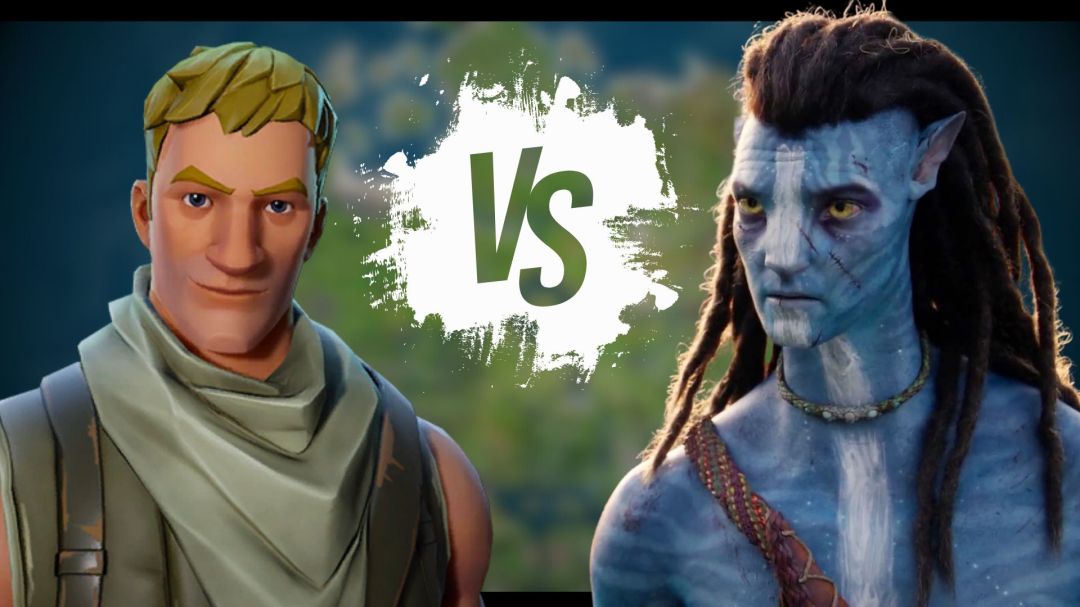
A Fortnite movie could take that energy and run with it. It doesn’t need to be a giant commercial. The best version would lean into the core story that’s already in the game. Focus on The Seven. On Jonesy. On the Zero Point. Keep it grounded in Fortnite’s world, and then have the crossovers feel like surprises. Treat them like the cameos in a Marvel movie, not the whole show. If done right, it could be the biggest IP buffet in cinema history. And not in a cringy, corporate way. In a holy shit, they actually pulled this off kind of way.
But here’s the risk. Epic Games has to let go a little. Not everything, just enough to let real filmmakers do their job. The cautionary tale here is Halo. Back in the 2000s, Peter Jackson wanted to produce a Halo movie. Neil Blomkamp was set to direct. Microsoft killed it because they wanted too much control. They thought Halo was too important to leave in anyone else’s hands. And then they spent fifteen years turning that IP into a lukewarm streaming series that nobody talks about.
Fortnite is massive. But it’s not bulletproof. Remember what happened to Nintendo the first time they let Hollywood touch Mario? It took thirty years and a full-scale branding redemption arc to undo the damage from that disaster. If Epic takes the same “we know best” approach, this movie could crash and burn before it even leaves the Battle Bus.
But if they find the right team—people who get the game and love storytelling—it could be something special. The bones are already there. The plot’s already there. The audience is definitely already there. And the merchandising potential? Off the charts. This could easily be the kind of global event that challenges the likes of Avatar or Avengers. It has that kind of reach. That kind of money behind it. That kind of energy.
The only question is whether Epic wants to build something that can stand next to the game without being a slave to it. A movie that isn’t just a feature-length skin trailer but an actual story that means something to people. That’s the line between another failed adaptation and the next billion-dollar franchise.
And the crazy thing? They already have the tools. The cast. The lore. The audience. The hype. All they have to do now is hit play.

 Hollywood After Dark