
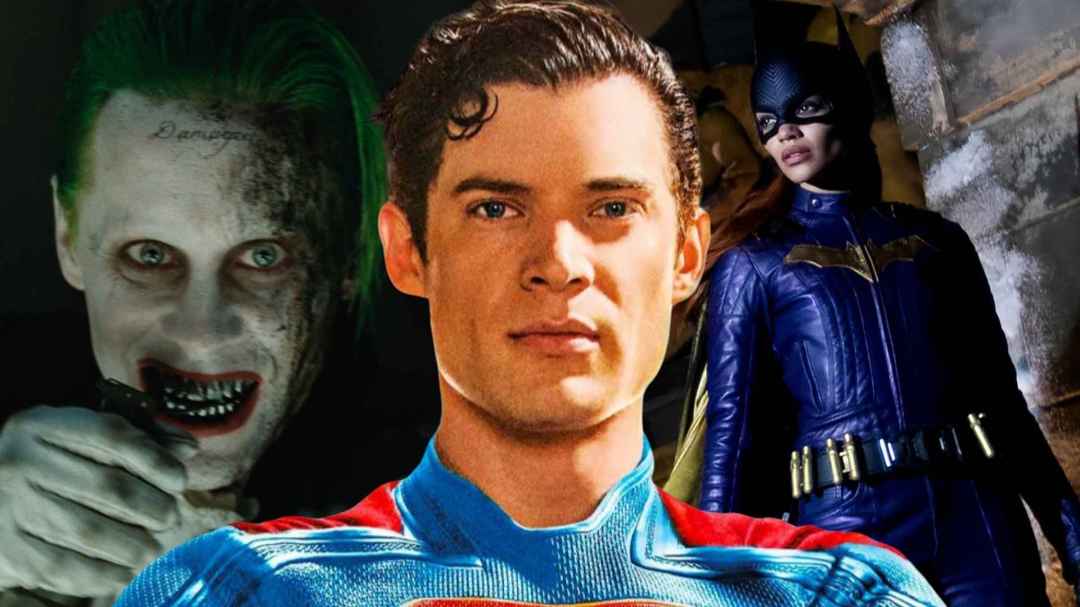
The DCEU didn’t drift into obscurity. It was executed. In 2022, right after Black Adam stumbled out of the gate, Warner Bros. Discovery handed the future of DC to James Gunn and Peter Safran. That announcement didn’t just shake things up. It sealed the fate of every remaining film in the pipeline. Shazam 2, The Flash, Blue Beetle, Aquaman 2. All of them were already done for. And Batgirl? That film was finished. Complete. Scored. Locked. It didn’t even make it to a trailer before it was thrown in a vault for a tax write-off.
Fans were furious. Not because they had some irrational attachment to brand loyalty, but because they were tired of getting strung along. Tired of being told to care about something, only for the rug to get yanked. Tired of seeing artists silenced mid-sentence. Over the last decade, we’ve all been conditioned to expect disappointment. To assume cancellation is right around the corner. We’re told to get hyped, to invest, to believe, and then we watch everything fall apart without a goodbye.
This isn’t just about the DCEU. This is the pattern. A show builds momentum, then gets canceled with no ending. A film teases a future that never comes. Projects are announced, cast, sometimes even shot, only to be scrapped behind closed doors. Audiences have been trained not to trust. We second-guess every trailer. We wait for the studio to change its mind. And we’re usually right.
Now that Superman has landed and Gunn’s new DC vision is finally moving, it’s time to acknowledge the people still waiting at the station. The box office is strong. The reviews are solid. Zaslav and Gunn are celebrating. Great. But if this new DC era is really about moving forward, then part of that means dealing with what the last one left behind.
There are three projects that deserve better. The Ayer Cut of Suicide Squad. The unfinished but publicly screened Schumacher Cut of Batman Forever. And Batgirl, which was completed and buried without ever being given a chance. These aren’t pipe dreams. They are real. The footage exists. The work is done, or nearly done. And the only thing stopping them from being seen is the same cold, corporate logic that buried them in the first place.
Gunn has said he’s open to Elseworlds stories. Use that space for these. Don’t fill it with more hypotheticals or disconnected spinoffs. Use it to finish the work that fans were promised. Use it to repair some of the trust that was broken.
People don’t expect happy endings anymore. They expect cancellations. They expect reboots. They expect to be told that the thing they liked doesn’t matter. We’ve been trained to lower our expectations until disappointment feels normal. And when something finally connects, we’re already bracing for the moment it disappears.
That’s the damage. That’s what this industry has done. And it doesn’t go away just because one new movie opened strong.
Releasing these three films isn’t about franchise building. It isn’t about continuity. It’s about respect. Respect for the artists who finished their work and never got to share it. Respect for the fans who stuck around during years of studio chaos. Respect for a creative legacy that was tossed aside.
There’s no risk here. No big gamble. These films exist. Let people see them. Let them stand on their own, outside the new continuity. Let them be what they are. The final chapters of a version of DC that was never allowed to end properly.
If Gunn believes in stories that matter, in honoring the past while building the future, this is the moment to prove it. These aren’t just movies. They’re unfinished conversations. And for once, the studio has a chance to finish them.
No more silence. No more excuses. Let people see what was taken from them.
Let them finish the story.

 Hollywood After Dark