
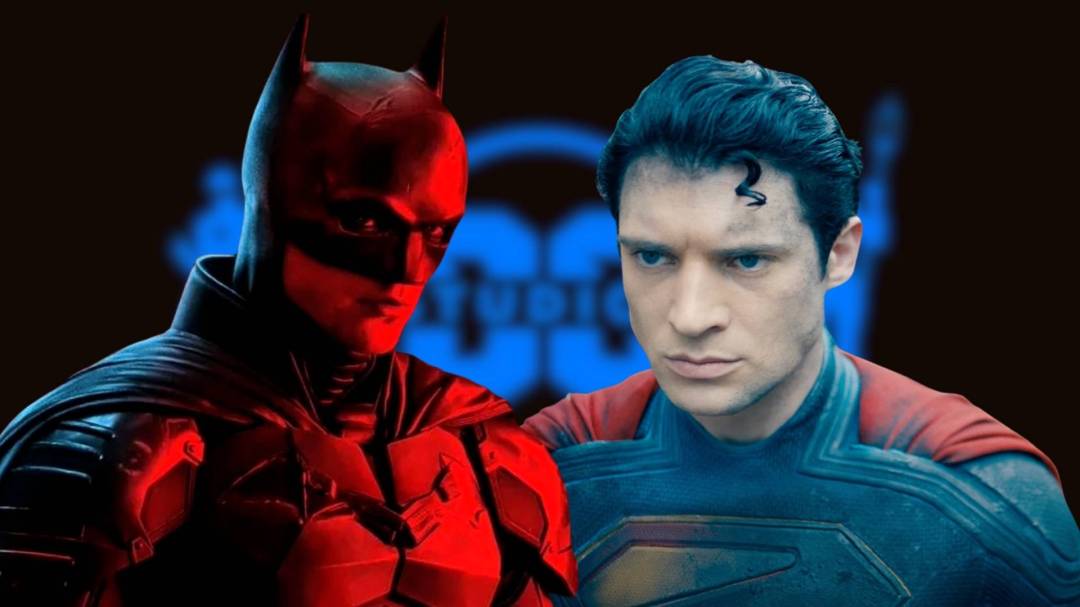
The Batman Part II screenplay is done. Matt Reeves handed it in like a loaded weapon, quietly dropped it on the table, and walked away without saying a word. And in a better timeline, this would be a moment for DC to celebrate. A win. A big, satisfying update on the next chapter in a beloved, grounded Batman saga. But instead, it lands like a distraction—right when Superman is supposed to be front and center. Right when the new DC Universe is trying to lift off the runway. Timing, as always, is everything. And right now, DC’s timing feels cursed.
Superman is supposed to be the launchpad. James Gunn’s bright, hopeful reset for a franchise that’s spent more time in rehab than rotation. It’s tracking for a decent opening—anywhere between $125 and $135 million depending on who you ask—but there’s an uneasiness hanging in the air. The trailers haven’t exactly inspired confidence. The visual effects feel spotty. The tone shifts wildly from golden-age idealism to awkward slapstick. And that new clip they dropped? It plays like Lex Luthor is auditioning for Professor Chaos: The Musical. Jesse Eisenberg’s Lex might’ve been divisive, but at least he wasn’t cosplaying as Dr. Evil. This is Superman’s greatest enemy we’re talking about, not the B-plot villain from a CW crossover episode.
And now, right in the middle of that shaky rollout, here comes Reeves with his Batman script, reminding everyone that the version of Gotham people actually like is still cooking. That the character they’re truly excited about isn’t some future recast Batfleck-in-waiting—he’s already here. He’s Robert Pattinson. And he’s coming back.
Worse, that hype isn’t happening in a vacuum. Because The Penguin hit HBO Max last year and proved this universe isn’t a fluke. Critics loved it. Fans devoured it. Colin Farrell got showered in praise for turning Oswald Cobblepot into a tragic, violent, grotesquely compelling kingpin. Cristin Milioti, as Sofia Falcone, delivered a performance that was equal parts icy and operatic. It was dirty, stylish crime drama done right—and it’s firmly locked inside Reeves’ Elseworld sandbox. Not the DCU. Not Gunn’s turf.
Which raises a simple, brutal question: why would audiences emotionally invest in a new Superman when they’re still obsessed with Batman’s mob war?
If this reboot is supposed to be a unified cinematic universe, then why does all the good stuff live outside of it? It’s not just confusing—it’s disorienting. You’re asking the general public to juggle timelines, track multiple Batmen, and understand why the most critically acclaimed projects are somehow “not part of the plan.” It’s like Marvel launching a whole new Iron Man trilogy and then whispering, “Oh, by the way, it doesn’t matter.”
Now toss in this little wrinkle: The Batman Part II isn’t dropping until 2027, which means it’ll be only the fourth movie to release under the new DC Studios banner—assuming that schedule holds. And it probably won’t be The Authority taking that third slot anymore, since that’s been quietly floating in development limbo. No, odds are it’ll be Mike Flanagan’s Clayface, a darker, horror-tinged character piece that’s going to do absolutely nothing to help the average viewer understand what the hell is going on between universes.
That’s the danger. DC is building a cinematic house with two front doors, and the audience is being asked to pick a favorite entrance. And right now, the one marked “Matt Reeves” looks a hell of a lot more inviting than the one with Superman punching livestock in Smallville.
This isn’t about who’s the better filmmaker—Gunn’s proven he knows how to juggle tone, emotion, and spectacle. It’s about perception. And the perception right now is that the Elseworld is winning the popularity contest. Which means that unless Superman lands like a thunderbolt and somehow unites a fractured fanbase, there’s a real possibility it gets treated like a mid-tier origin story while everyone counts the days until the Bat comes back.
And that’s the irony. Reeves didn’t undercut Gunn. He just did his job—quietly, efficiently, and with a track record of success. But in a universe as shaky and self-sabotaging as DC’s, that’s enough to shift the gravity. One well-timed update from Gotham, and suddenly Metropolis feels like a pit stop on the way to something more interesting.
Because at the end of the day, this is DC’s biggest problem: even when they get something right, they somehow make the other thing feel like an afterthought.

 Hollywood After Dark