
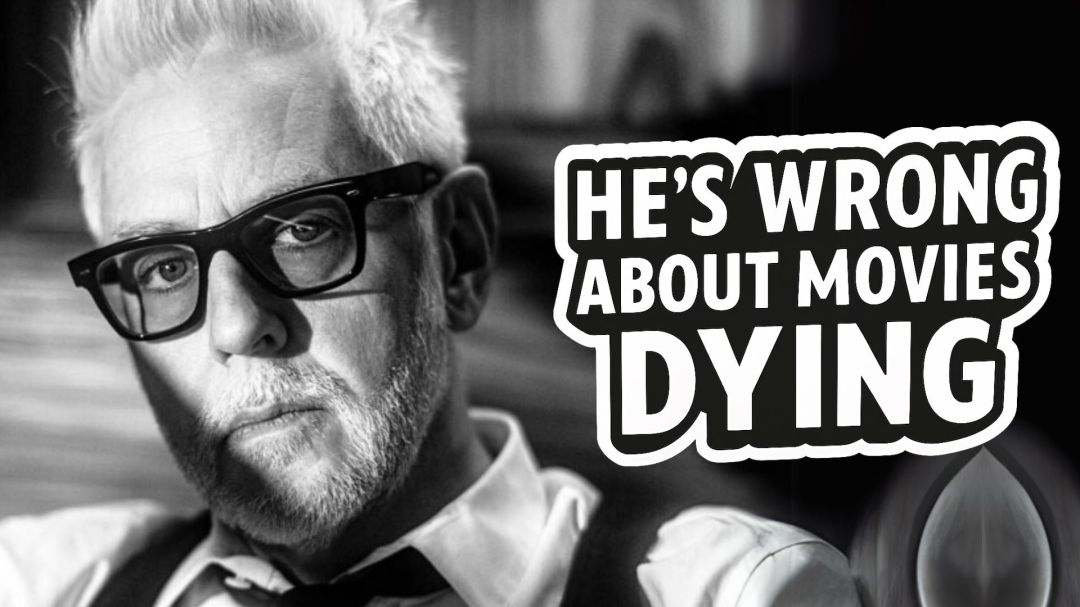
Blown film nerds like us live for the chaos—that electric moment when the lights go down, the THX roar vibrates your organs, and you wonder what kind of cinematic miracle (or train-wreck) is about to detonate on screen. So when James Gunn pops up in Rolling Stone preaching that movies are “dying” because studios dare to roll cameras without a polished-to-a-shine screenplay, I get a twitch in my left eye. Yes, James, half-baked scripts can torpedo a production faster than a two-hour TikTok compilation. But pretending that a locked draft is the magical antidote to every industry woe is like insisting the Titanic sank because someone forgot to tighten a window latch.
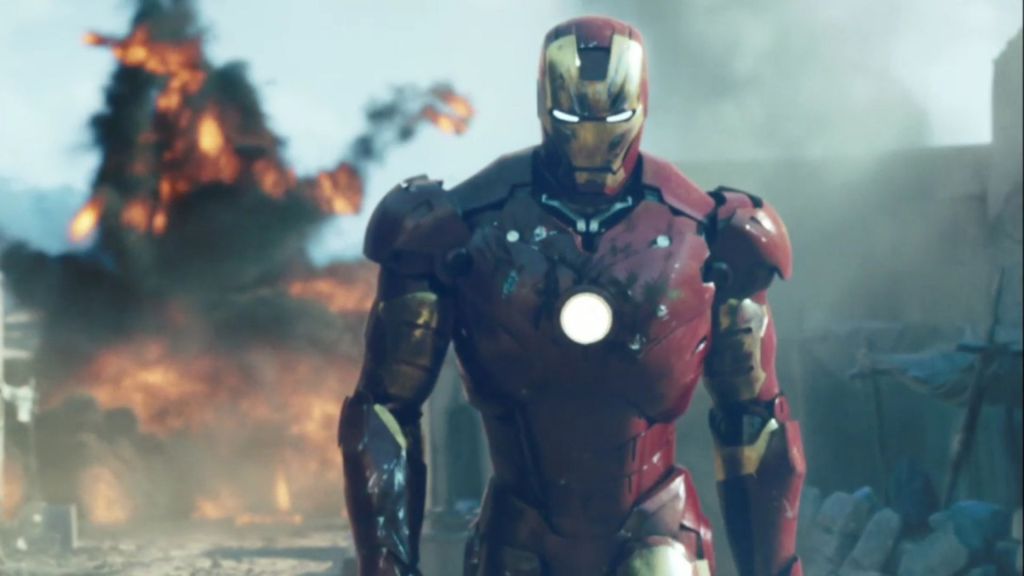
Let’s jog Gunn’s memory. Iron Man—the ur-text of modern superhero cinema—didn’t just start shooting with a messy script; it barely had a script at all. Jon Favreau relied on Robert Downey Jr.’s improv instincts and a truckload of gumption to sculpt the MCU’s cornerstone in real time. That gamble didn’t kill the movie; it supercharged it. Fast-forward to Anchorman, Step Brothers, anything in the Apatow-Rogen-Ferrell sandbox: half the quotable lines were birthed between takes while someone was hiding their giggles behind the camera. Hell, Zazie Beetz revealed the Joker gang rewrote pages the night before filming. That movie raked in a billion and an Oscar while Phillips, Phoenix, and Beetz were apparently passing Sharpies around like it was study hall. The dirty little secret is that film sets are improv labs, and post-production is a Frankenstein ward where the real story finally snaps into focus.
That famous adage—“the movie you write, the movie you shoot, the movie you edit”—isn’t a quaint cliché; it’s the survival manual. You can start day one with the Rosetta Stone of screenplays and still wind up chiseling chunks off in the cutting room once you see that a gag falls flat or a beat drags. Gunn knows this. The guy built Guardians on mixtape vibes and riff-heavy banter, then bragged in the same article about trash-canning a DC project whose script wasn’t singing yet. Cool. But let’s stop pretending that every greenlit film needs to be a bound, notarized document before the first light meter comes out. Sometimes you don’t find the gold until the camera’s rolling and the actors are sweating under sixty pounds of spandex.
But here’s the real open wound Gunn tiptoes around: price. I just shelled out thirty bucks for an IMAX seat to Superman. Thirty. That’s one ticket—no snacks, no parking, no babysitter, no therapy session afterward if the movie sucks. For the same cash, I can gluttonize on Netflix, Hulu, and Disney+ for a month straight, pausing only to peel melted cheese off my keyboard. When studios whine that “people don’t value cinema anymore,” they’re ignoring that the average family is looking at a minimum-wage job’s worth of coin to take everyone to a premium screen. The calculus becomes brutal: one night out or thirty nights in? The theatrical experience used to be the bargain; now it’s the splurge. If your marquee spectacle can’t beat the living-room buffet on cost or convenience, it better deliver blood-pumping, soul-shaking wonder every single frame. Most don’t.
Quality is a factor, obviously. Audiences will stampede back for an Oppenheimer-sized event because Nolan treats 70 mm like holy scripture and because people heard the damn seats were rumbling their fillings loose. What kills enthusiasm is the midline product—the $200 million VFX sludge that lands on screen feeling algorithm-rough-drafted and dead-eyed. That stuff isn’t dying because the first draft wasn’t ready; it’s dying because, somewhere in the chase for four-quadrant appeal and shareholder grins, everyone forgot to make something personal. Gunn kind of admits this when he says Marvel “got killed” by Disney’s mandate to pump out content for Disney+. Quantity over curiosity. The second your slate becomes a spreadsheet KPI instead of a bonfire of creativity, audiences sense it like a dog hearing a dog-whistle and they bail.
Meanwhile, theater chains are trying every gimmick in existence—4DX chairs that jostle you like a carnival ride, $25 “premium” popcorn buckets, laser projectors that need a tune-up every other reel—because they’re desperate to justify the markup. It’s a hamster wheel. Studios over-spend, exhibitors over-charge, customers stay home, and execs point to “unfinished scripts” as the gremlin gnawing through the electrical cables. Nice narrative. Shame it ignores rent, wages, inflation, and the fact that most of us now own TVs the size of early-2000s billboards.
Gunn deserves credit: he’s promising not to shove a half-cooked DC slate down our throats just to meet quarterly output numbers, and that’s refreshing after the Marvel assembly line. Still, polishing words alone won’t resurrect the sacred theater ritual. We need movies that feel like handcrafted roller coasters, not content blocks. We need ticket prices that don’t provoke existential dread. We need theater experiences that remind us why staring at fifty-foot faces in absolute darkness used to feel like communion, not a hostage situation in a recliner.
So yes, James, scripts matter—finish them, love them, tattoo them on your chest if that keeps focus groups out of the story room. But don’t sell the public a half-truth. Movies are dying because the value proposition is busted on every front: financial, experiential, emotional. Fix that, and you can shoot the whole damn thing on napkins and Post-its. People will still line up around the block, popcorn butter staining their jeans, phones blessedly ignored, ready to worship at the altar of cinema again.

 Hollywood After Dark