
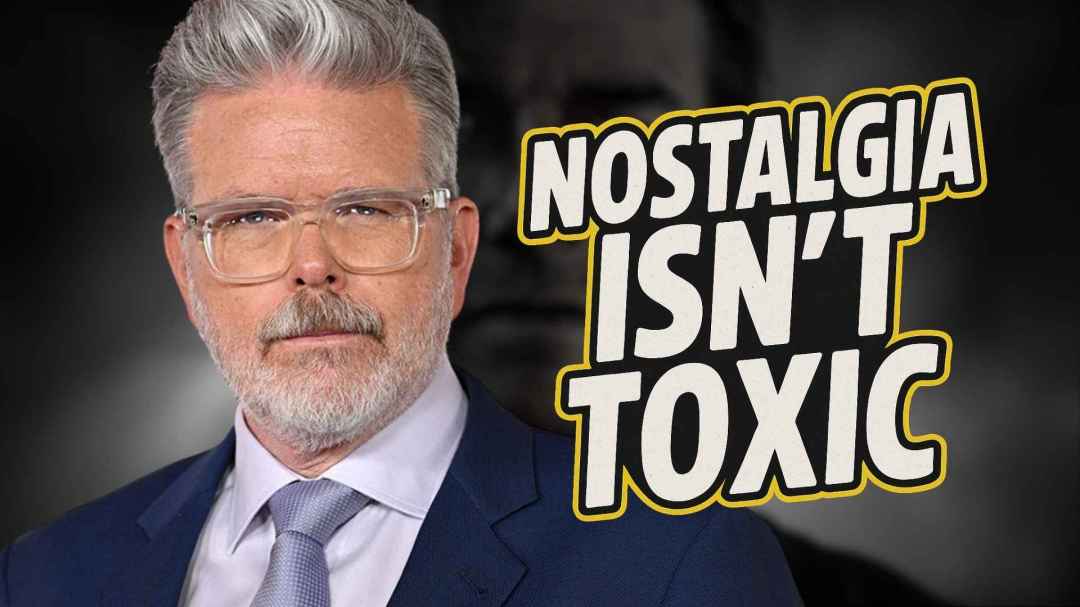
Christopher McQuarrie says fan service is poison. That it’s deadly. That it “disrupts the narrative chain” and pulls people out of the story like a drunk uncle at a wedding trying to do the worm during the vows. Strong words. Big filmmaker energy. Except—here’s the thing—it’s also kind of hilarious coming from the guy who just spent two whole Mission: Impossible movies gleefully digging through the franchise’s toybox like a kid on a nostalgia bender.
Let’s not pretend Dead Reckoning didn’t call in Kittredge from the first film like a Cold War ghost. Or that the trailer for Final Reckoning didn’t lovingly frame Ethan Hunt’s knife from the original CIA heist like it was a holy relic. Hell, even the goddamn Dutch angles are back, Brian De Palma-style, tilting the screen like we’re watching Ethan’s world literally shift sideways again. That’s not an accident. That’s not “oops, we tripped and landed in 1996.” That’s intentional. That’s fan service.
But here’s where McQuarrie gets it twisted: fan service isn’t poison. It’s parsley. It’s the garnish on the edge of the cinematic plate. It’s not the steak, sure—but it’s not meant to be. It’s there for flair. For color. For those of us who actually give a shit and have been following Ethan Hunt for the better part of three decades. And guess what? That parsley hits different when you’ve been at the table since the beginning.
See, when done right, fan service isn’t a distraction—it’s a reward. It says, “Hey, we know you’ve been paying attention. Here’s a little wink. A nod. A breadcrumb.” Not every story beat needs to cater to the people who’ve memorized the IMF handbook, but you also don’t need to act like a three-second throwback shot is somehow going to derail the entire narrative structure like it’s Jenga built on a trampoline.
The truth is, storytelling—especially franchise storytelling—is cyclical. That’s not a flaw. That’s the design. Look at Star Wars. Look at Harry Potter. Look at freaking Marvel. These universes loop back on themselves like Möbius strips of emotional payoff. And when those echoes land right—when they call back a line, a look, a moment you thought they’d forgotten—that’s not poison. That’s catharsis. That’s the filmmakers showing they remember.
McQuarrie says the problem is assuming people have seen the other films. And okay, sure—don’t hinge your plot on the deep lore of Mission: Impossible II and expect a casual viewer to keep up. But there’s a wide gap between forcing an audience to study and giving long-time fans a fist bump. One is exclusion. The other is recognition. We know the difference. So do good storytellers.
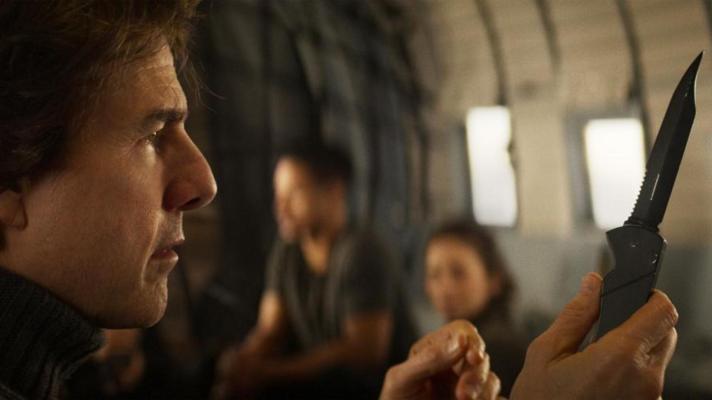
And here’s the kicker: McQuarrie does too. He just doesn’t want to admit it. Because if fan service is truly poisonous, then Final Reckoning is radioactive. Every frame of that trailer screams, “Remember this?” And honestly? Yeah. I do remember. And I love it.
There’s something hollow about pretending franchises should exist in a vacuum. Like you’re supposed to make the seventh or eighth film in a series and just forget everything that came before it because, God forbid, someone new feels left out. It’s okay to make things that reward loyalty. It’s okay to acknowledge the past. You can nod to it without bowing down.
And speaking of pretending, Marvel Studios recently came out saying they want to “scale back interconnectivity” and focus on “more standalone stories” that don’t require audience homework. Which, respectfully, is complete bullshit. Their entire empire is built on interconnectivity. The whole reason Infinity War worked was because it was a decade-long Rube Goldberg machine of setup and payoff. Audiences showed up because they were invested, because they remembered, because they cared. You don’t get that kind of emotional payoff without a web of callbacks and references. That is fan service—and it’s the fuel Marvel’s been running on since 2008.
The idea that audiences are suddenly exhausted by continuity isn’t about fan service—it’s about sloppy storytelling. It’s not the connections people hate. It’s when those connections don’t matter. When it’s hollow. When it’s lazy. Fan service isn’t the problem. Shallow fan service is. You can’t throw in a legacy character, slap a wink on it, and call it a day. You have to earn it. And when you do, it hits like a thunderclap.
The idea that a single callback will rupture the audience’s immersion like it’s a dam breaking under the weight of nostalgia is absurd. People don’t get pulled out of stories because of a clever Easter egg. They get pulled out because the story sucks. Or because the characters are paper-thin. Or because the entire movie feels like it was algorithmically generated in the Netflix mines. Don’t blame the garnish when the steak is undercooked.
Fan service becomes a problem when it replaces storytelling. When the entire meal is made of parsley. But when it’s used sparingly, strategically, with love? It’s flavor. Texture. History. And yeah—it’s fun.
So no, McQuarrie, fan service isn’t poison. It’s the seasoning that makes a long-running franchise feel like a full-course experience instead of another soulless fast-casual script meal.
And if you’re gonna keep plating that parsley on every Mission: Impossible like it’s Michelin-star memory lane, maybe don’t call it toxic while you’re handing out the fork.

 Hollywood After Dark