
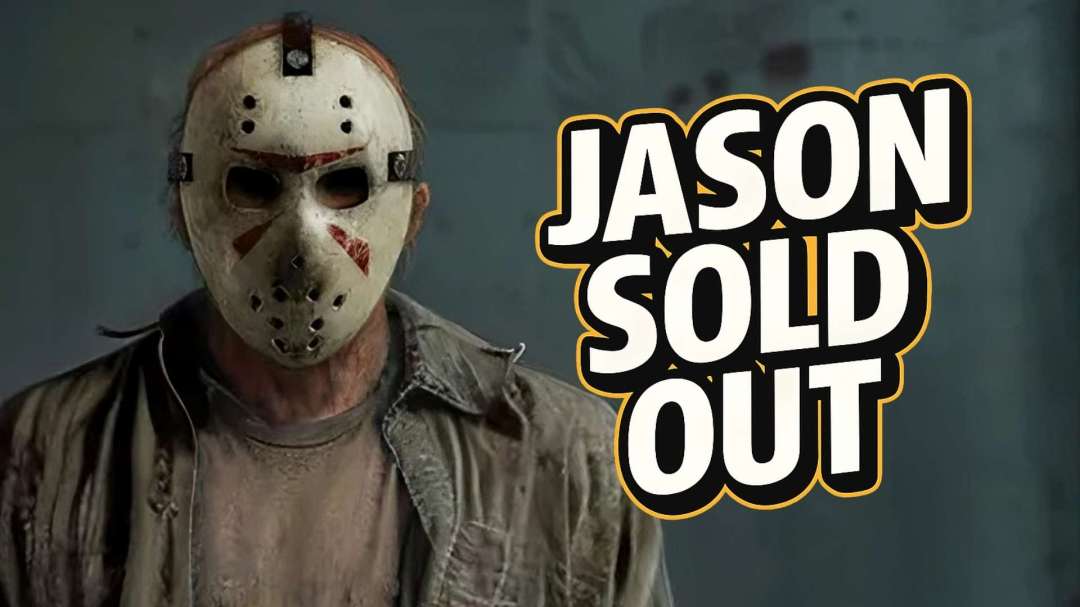
Let’s be honest—Jason Voorhees looks like he just walked out of an AI-generated slasher reboot sponsored by Mountain Dew. Horror Inc. revealed the new design as part of their Jason Un1v3se (yes, with a number in it, because we’re apparently living in a Syfy Channel timeline), and it’s hard not to feel like this whole thing is less about honoring a horror icon and more about squeezing every last penny out of the corpse of the franchise. He’s still got the machete, sure. He’s still big, masked, and brooding. But the whole look feels more like cosplay than killer. More Fortnite than fear. More merch drop than menace.
And that’s the problem. The redesign is just the mask. What’s underneath is a bloated, overbranded idea cooked up by people who seem to think “multi-platform horror universe” is a phrase fans have been begging for. It’s not. Horror fans don’t want to “activate” Jason across gaming, collectibles, immersive experiences, and what’s very likely going to be an NFT shaped like a hockey mask. We want a movie. A real one. On a big screen. Where Jason actually does something other than hover on a Twitter account waiting to be monetized.
But of course, nothing about Jason has been simple for a long time. The rights are an absolute nightmare—an ironic twist for a slasher icon. Victor Miller, the original screenwriter, reclaimed the U.S. rights to the 1980 screenplay, which means he technically owns Pamela Voorhees and young Jason. Meanwhile, Horror Inc. has the rights to adult Jason and the sequels—but not in the U.S. And New Line owns the actual trademarks. So if you’re keeping score at home: one guy owns the story, another guy owns the mask, and a third guy owns the logo. This isn’t a franchise—it’s a hostage negotiation.
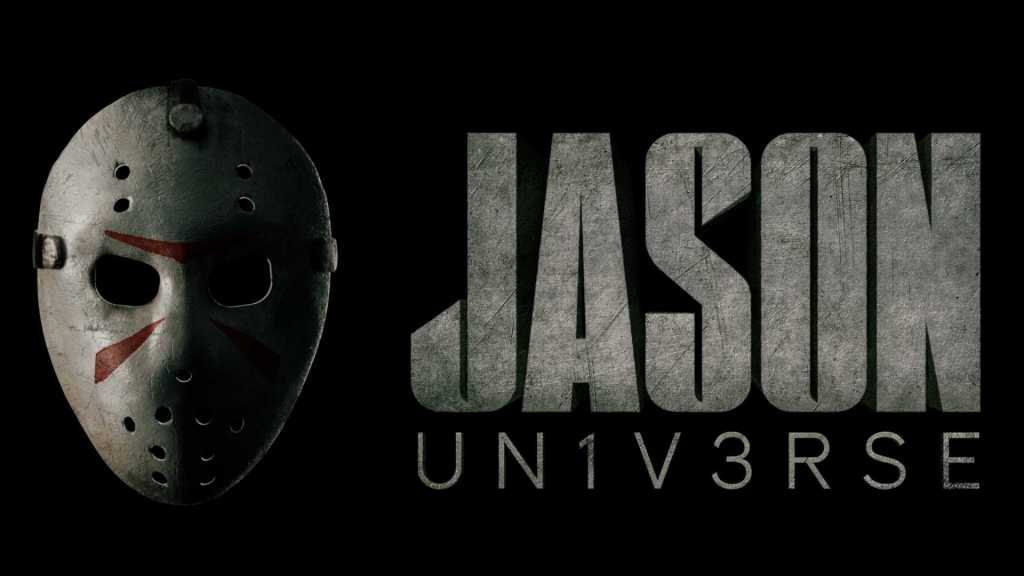
That’s why the Un1v3se feels like such a scam. They can’t make a proper film without a legal summit and three sets of lawyers, so instead, they’ve decided to pivot to “activations.” Horror Inc. has partnered with Striker Entertainment—best known for putting logos on lunchboxes—and they’re promising games, events, merch, and “immersive horror experiences,” which sounds suspiciously like “we couldn’t make a movie, so here’s a haunted maze in a mall parking lot.”
The way they talk about it feels like it came from a keynote at a horror marketing seminar: “global awareness,” “multi-generational appeal,” “cross-platform storytelling.” Jason’s not a character anymore—he’s a brand asset. A vertical. A slasher-shaped IP ripe for synergy. You can almost hear the brainstorm session where someone pitched a Jason coin or a killer-themed Loot Crate. And hey, maybe that’s where this ends up: not with a scream, but a blockchain.
This is what happens when the rights to a beloved franchise get sliced and diced worse than a camp counselor in part seven. Nobody’s protecting the story. Nobody’s worried about tone or legacy. They’re worried about TikTok views and licensing deals. They’re building a “universe” without a single compelling reason for it to exist, outside of the fact that Jason still trends, still sells, still clicks. And sure, I get it—Jason is timeless. But that doesn’t mean you can just shove him into whatever monetizable gimmick is trending and expect it to work.
The sad part is how hollow it all feels. This isn’t about making something scary. It’s about making something scalable. The fans who’ve kept this franchise alive through decades of dormancy, lawsuits, and studio indifference are being treated like piggy banks with emotional attachments. Horror Inc. talks about “honoring the legacy,” but if they really understood that legacy, they’d know it doesn’t start with a press release. It starts with a camera in the woods, a slow build of tension, and a shadow moving just out of frame.
Instead, we’re getting Instagram filters and press events. And yeah, they’ll probably launch a game. Maybe even another escape room. But we’ve seen this before—franchises stretched so thin they become unrecognizable. Look at what happened to The Texas Chainsaw Massacre. You don’t remember the story—you remember the bad masks and the marketing stunt that didn’t land. That’s what happens when you start with the merch and figure the story out later.
Jason Voorhees doesn’t need a “next chapter.” He doesn’t need to be reinvented for modern audiences or introduced to a new generation through gamified content and synergy strategies. He just needs to be Jason. Put him at Camp Crystal Lake. Give him a sharp object. Turn the lights down. That’s it. That’s the formula. No NFT required.
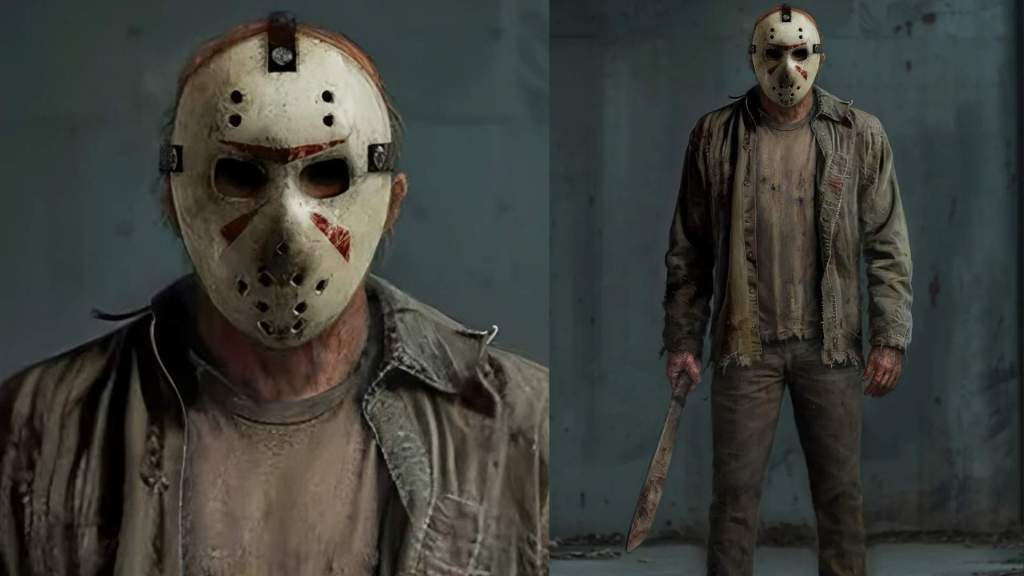
What’s frustrating is that this could have been something. It could have been a triumphant return. A full-circle moment after the rights finally got sorted. But instead of blood in the water, we got buzzwords in the press. Jason’s not stalking teenagers—he’s chasing quarterly revenue targets. And when the most terrifying thing about your slasher villain is how many trademarks and partnerships are required to legally use him, you’ve already lost the plot.
Jason Voorhees is a horror icon. He doesn’t need to evolve into a tech-forward, brand-integrated mascot for a line of overpriced collectibles. He just needs to be scary again. But with the way this “Un1v3se” is shaping up, the only thing getting butchered is the soul of the franchise.

 Hollywood After Dark