

Zachary Levi was always the guy you wanted to root for. The goofy smile. The earnest charm. The underdog energy that made Chuck a cult hit and somehow made Shazam! work in a universe that was collapsing under the weight of its own dark seriousness. He was likable in a way that didn’t feel manufactured. He made people feel good. And maybe that’s the problem now—because in his search to keep being liked, he’s wandered into territory that feels like a betrayal of what made him special in the first place.
This week, Levi confirmed on social media that he’s in active talks to collaborate with Eric July’s Rippaverse Comics. That name might not mean much to the average moviegoer, but to anyone who’s paid attention to the increasingly bizarre culture wars infecting comic book spaces, it’s a red flag. Rippaverse isn’t just an indie comic company. It’s a brand built on reaction. It’s comics by way of YouTube drama—ideologically rigid, suspicious of inclusion, and held together by the scotch tape of spite. If that sounds harsh, read ISOM. Actually, don’t. Save yourself the $35 and just imagine what a creative writing assignment from an angry Reddit user would look like after they discovered ChatGPT and Clip Studio Paint. You’ll get the idea.
But Levi seems genuinely excited about the idea. He says he “loves what they’re doing.” Which is fascinating, considering this is a man who once turned Nerd HQ into a community hub focused on mental health, inclusion, and giving fans access to safe, positive spaces during the madness of Comic-Con. The whole point of Nerd HQ was to uplift. Now he’s flirting with a company that’s made its name punching down.
The easy take is to say Levi’s gone full right-wing. And sure, he did publicly endorse Trump in 2024, which felt like a “wait… seriously?” moment for a lot of his fans. But I don’t think that’s the whole story. This isn’t a heel turn. It’s a guy trying to stay in the game. Someone who feels left behind by the very industry he gave everything to, looking for relevance in the only places that will still return his calls.
The numbers don’t lie. Shazam! Fury of the Gods flopped hard. Not because Levi did anything wrong, but because Warner Bros. had already decided the DC Extended Universe was a dead man walking. There was no marketing push, no fanfare, no future for the character. Harold and the Purple Crayon bombed too, and The Unbreakable Boy opened to the worst numbers of his career. When you’re used to being the leading man and suddenly you’re starring in faith-based family dramas no one sees, you start to panic. Reinvention starts to look like desperation. And desperation is where opportunists like Eric July thrive.
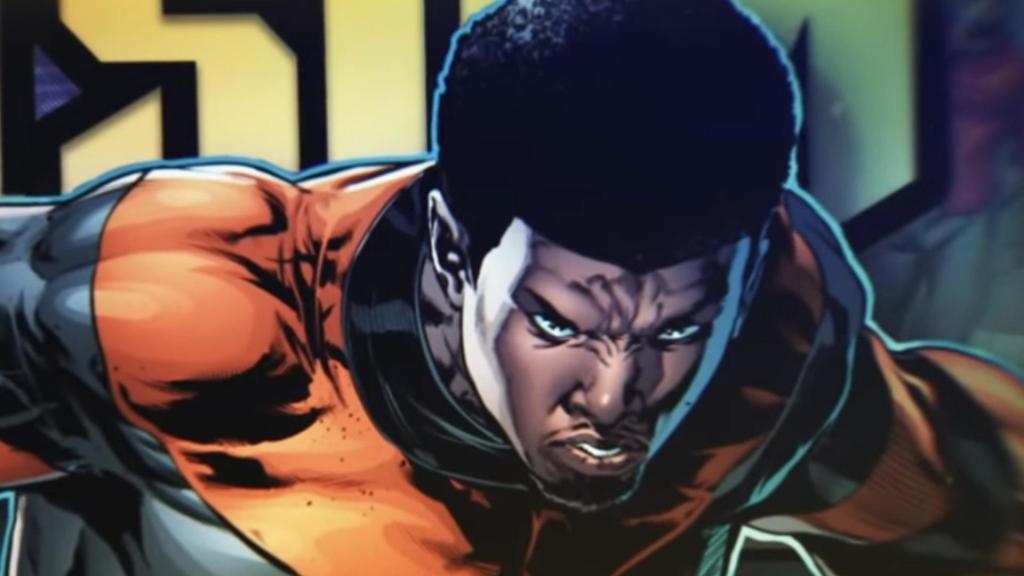
July’s whole pitch is that Rippaverse is the antidote to “woke comics.” What that really means is stories with no diversity unless it’s the safe, background kind. No “agendas.” No politics—except, of course, the loud, unavoidable, deeply political worldview baked into every page. It’s all about “keeping it real,” which, in practice, means hiring creators who’ve been blacklisted for inflammatory work (Joe Bennett), clinging to outdated storytelling rules, and raging against the industry on livestreams with fans who treat every progressive superhero as a personal attack.
And let’s not pretend Levi doesn’t know this. He’s not some sheltered performer who stumbled into this blindly. He’s active online. He engages with fans. He’s fully aware of what this space represents. That’s what makes this so frustrating. He’s choosing to ignore it. Or worse—he’s convinced himself that he can rise above it. That he can somehow bring his mental health nonprofit into a space that openly mocks people struggling with identity, with trauma, with difference. It’s like trying to install a kindness booth inside a YouTube comment section. You can mean well. You’ll still get torn to pieces.
This isn’t new. We’ve seen actors fall into these pipelines before. They start off just looking for new audiences, new platforms. Then they go on a podcast. Then another. Then they start parroting the talking points. And by the time they realize what they’ve become, they’re a thumbnail in a Clownfish TV rant about how Star Wars is dead because a woman has a lightsaber.
But Levi’s not there yet. At least, I hope not. There’s still time to turn back. To realize that collaborating with Rippaverse might score a few headlines in the moment, but at what cost? You don’t get to dabble in culture war without getting burned. You don’t get to promote mental health while shaking hands with people who profit from outrage and cruelty. It’s not just hypocrisy—it’s tragic.
Because again: I don’t think Levi is a bad person. I think he’s trying to find his footing in an industry that forgot how to nurture people like him. He’s not a leading man in the Marvel sense. He’s not edgy enough for A24. He doesn’t fit the algorithm anymore. So now he’s chasing relevance in the places that still worship celebrity—no matter how hollow that worship might be.
But the audience that cheers you for sticking it to “Hollywood elites” will turn on you the second you say something they don’t like. Just ask Gina Carano. Ask Chris Pratt. Ask anyone who thought they could ride that wave and still keep their soul intact.
Zachary Levi built a career on being genuine, optimistic, and kind. He built a nonprofit around those values. That’s who people fell in love with. Not some culture war foot soldier. Not a guy teaming up with comic creators who treat inclusion like a disease. If this is really the next phase of his career, it’s a massive misfire.
He wants to be liked. That much hasn’t changed. But not everyone who claps for you is your friend. And not every collaboration is worth the headline.

 Hollywood After Dark