
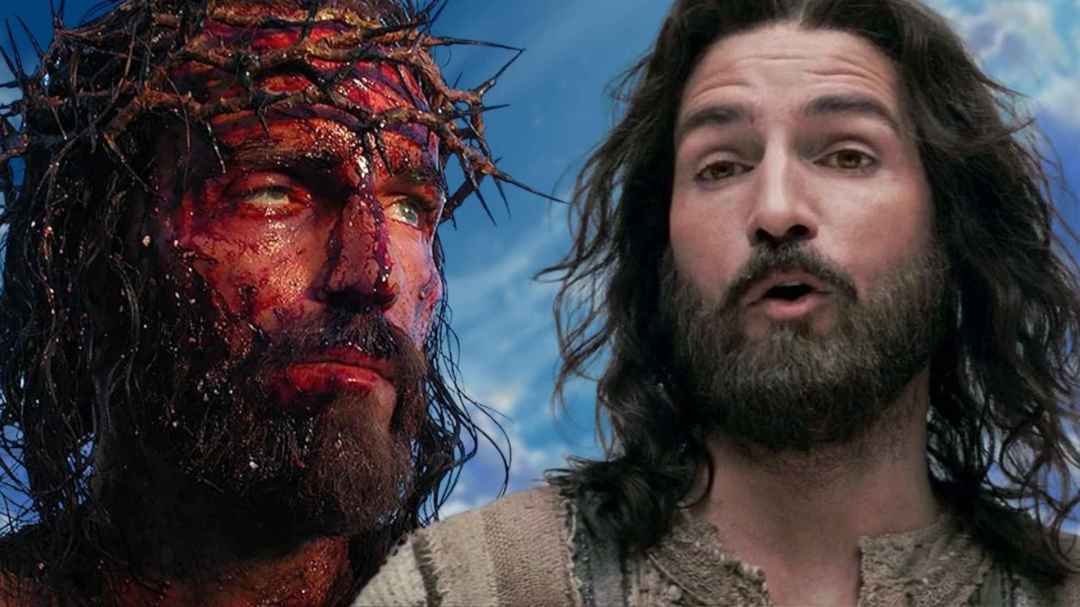
Let’s be real: The Passion of the Christ is the most successful snuff film ever made. A two-hour endurance test of blood, screams, and religious guilt, dressed up as a cinematic experience. And somehow, it worked. In 2004, devout Christians didn’t just watch this movie—they pilgrimaged to it. They filled church buses, booked out theaters, sobbed through every lash, and treated Mel Gibson like the pope of popcorn martyrdom. This wasn’t a movie. It was a ritual. A rite of passage. A badge of faith.
And now, after two decades of development hell, we’re finally getting a sequel: The Resurrection of the Christ. Because apparently, Jesus’s return from the dead wasn’t climactic enough the first time around.
The real question isn’t whether this movie will get made—it’s whether it can once again dominate the box office like a divine juggernaut. And the answer, weirdly, might be yes. Not because it’ll be good. Not because it’ll be art. But because faith—the kind that turns pews into ticket sales and sermons into marketing campaigns—is still one of the most powerful forces in the entertainment business.
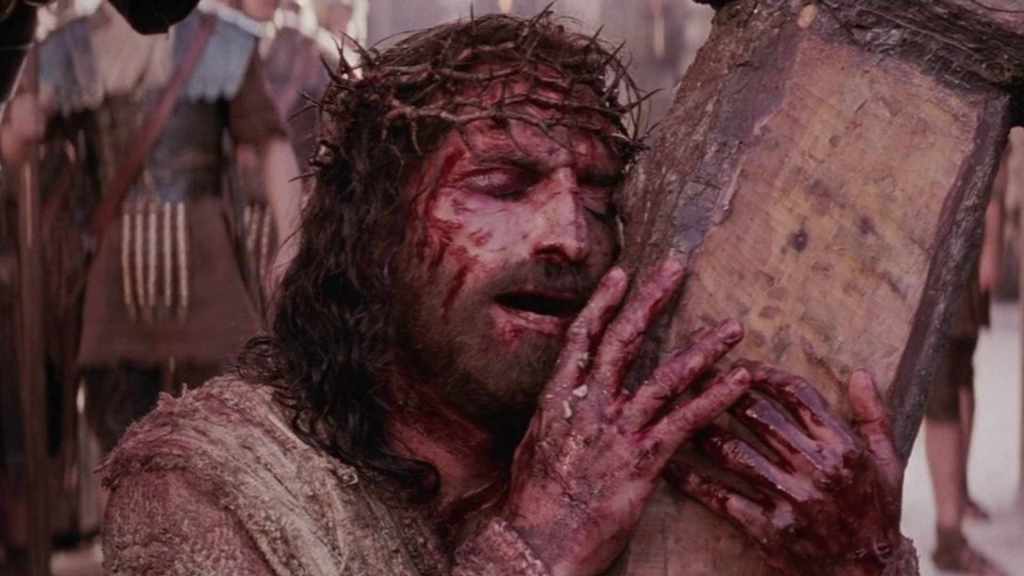
Let’s break it down. Back in 2004, Passion made over $600 million worldwide. That’s with an R rating, no major stars, in Aramaic and Latin. A literal dead language movie about a guy getting beaten to death. And yet, it was a sensation. Why? Because it didn’t sell itself to film lovers—it sold itself to believers. Gibson knew exactly what he was doing. He cut through the Hollywood gatekeeping and took it straight to the churches. Evangelical leaders treated it like scripture. Catholic bishops called it essential viewing. And regular churchgoers? They went in droves. Sometimes twice. Sometimes ten times. It was religion meets marketing meets cultural FOMO.
Now fast forward to 2025. A lot has changed—streaming, media fragmentation, the whole collapse of monoculture—but one thing hasn’t: the faith-based audience still shows up when it’s called upon. Look at Sound of Freedom. You don’t gross nearly $250 million on an indie thriller about child trafficking unless someone’s figured out how to turn church groups into distribution networks. And that’s exactly what Angel Studios did. They cracked the code with their “pay it forward” model, turning ticket buying into an act of virtue. One ticket = one step closer to heaven. It’s guilt economics, and it works.
If Gibson’s team borrows even a fraction of that playbook, The Resurrection of the Christ could be an unstoppable force. Imagine the viral campaigns. The faith influencers preaching on TikTok. The return of the “invite your non-believer friends to the theater” strategy. The youth pastors turning group screenings into testimony nights. It’s not a movie—it’s revival disguised as entertainment.
Of course, there’s still the Mel Gibson of it all. The man has been in Hollywood exile and partial redemption cycles for years now. He’s still radioactive in some circles, but in others? He’s the ultimate comeback story. The tortured artist, misunderstood and maligned, who poured his heart into the blood-soaked story of Christ and got crucified by the press for it. For the Christian right, Gibson is a symbol. He suffered, he repented, and now he returns. Very on-brand for a resurrection movie, actually.
And yes, Jim Caviezel is back too, even though he’s spent the last few years swan-diving into QAnon-adjacent weirdness. He’s gone from playing Jesus to basically thinking he is Jesus, but let’s not pretend that’ll stop anyone from showing up. In fact, for some, it’ll make the whole thing feel more authentic. Painfully sincere and totally unhinged—that’s kind of the vibe this whole sequel is chasing.
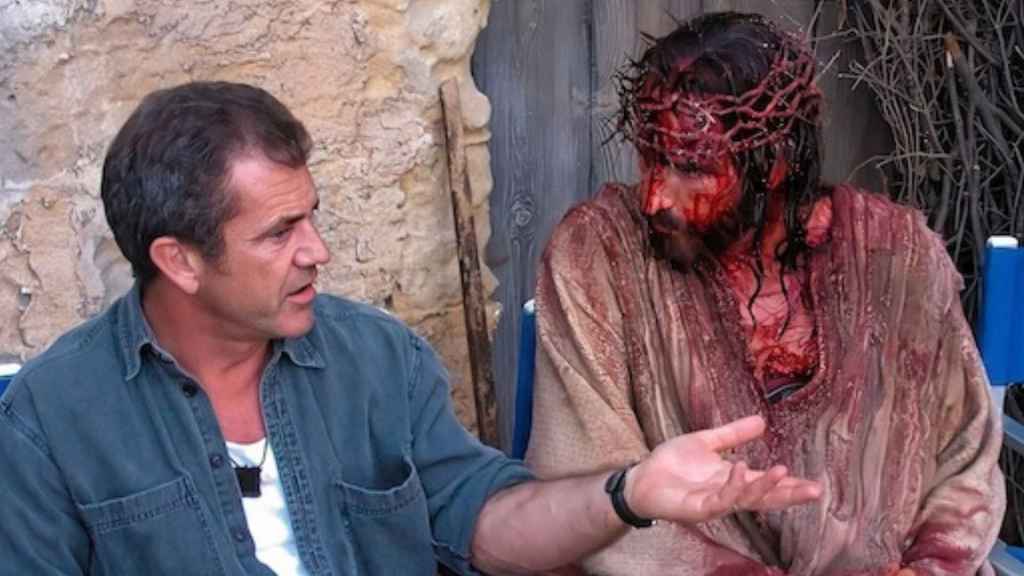
What makes this even more fascinating is how it reframes what a “tentpole” release can look like in 2025. Hollywood’s struggling to figure out what works post-COVID. Superhero fatigue is real. Franchises are flailing. Streaming is eating itself alive. But faith-based films? They’re quietly thriving. Modest budgets, guaranteed turnout, built-in marketing through churches, and near-zero risk of cancellation backlash—because who’s gonna tell Jesus he’s problematic?
And unlike the first film, Resurrection promises something even bigger: metaphysics. Gibson’s been teasing “spiritual warfare,” journeys through hell, fallen angels, and cosmic battles between good and evil. Think Tree of Life meets Clash of the Titans, with a side of Sunday school trauma. If that doesn’t pull in the pew crowd and the curious weirdos, I don’t know what will.
There’s a danger, of course, that it could go completely off the rails. That it becomes too abstract. Too ambitious. Too… Gibson. But that might not matter. Because for a certain audience, just the existence of The Resurrection of the Christ is proof enough. It validates their worldview. It reinforces their values. It lets them show the world, once again, that faith wins.
Whether the rest of us want to watch it or not.
So yeah. Jesus might be coming back to theaters. Again. And if the stars align—if the churches mobilize, if the marketing hits, if the culture war backdrop is loud enough—we could be looking at the resurrection not just of Christ, but of the faith-based blockbuster.
It won’t be subtle. It won’t be pretty. And it definitely won’t be quiet.
But then again, neither was the crucifixion.

 Hollywood After Dark