
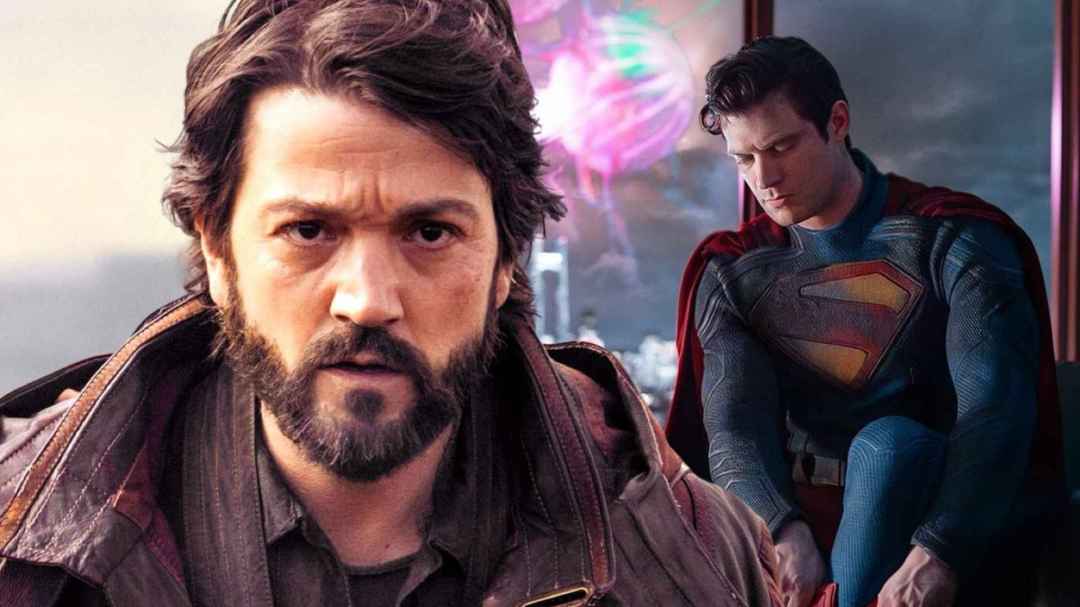
There’s a kind of hope that asks you to believe. And there’s a kind that demands you act. This week, pop culture handed us both—one with a lightsaber, the other with a cape.
On one end, we got the series finale of Andor, a Star Wars show that sidestepped space wizards and chosen ones in favor of something far more dangerous: conviction. Sure, the Force is there, but its minimal and not a focal point. On the other, we got James Gunn’s first trailer for Superman, the highly anticipated DC reboot that promises hope, heroism, and maybe—just maybe—a clean slate for a franchise with more baggage than Krypton’s rubble.
And yet, when I look at these two moments side by side, only one of them really feels like it’s part of the world I live in. Andor doesn’t just feel relevant—it feels urgent. It’s not just telling us that oppression is bad; it’s showing us how it works. It’s asking hard questions about complicity, sacrifice, and resistance. It’s not interested in myth. It’s interested in consequences.
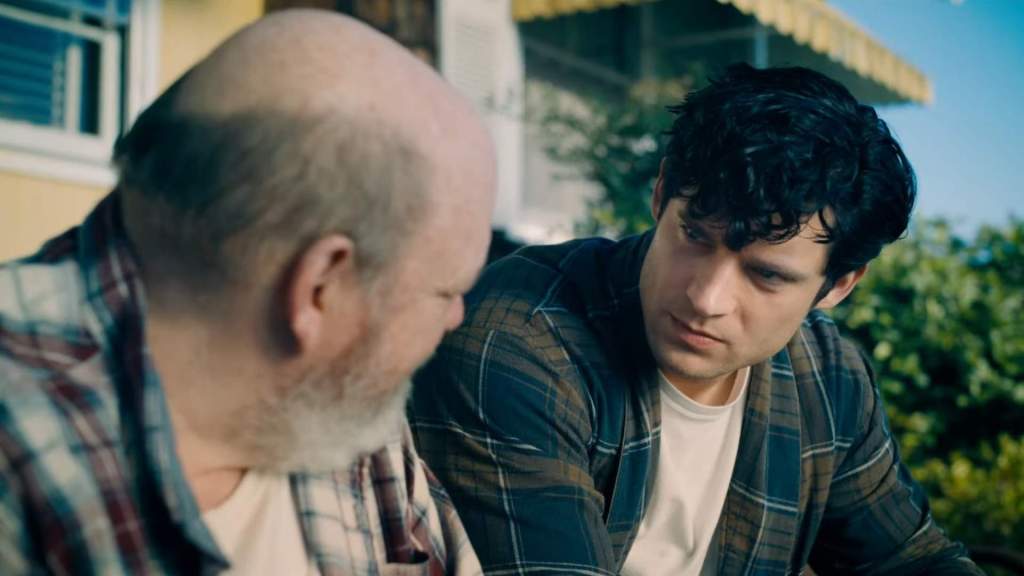
Superman, by contrast, feels like a throwback. The trailer’s all polished sincerity—Norman Rockwell in a CGI blender. You’ve got Ma Kent washing boots in a broke down Missouri Farmhouse. You’ve got Superman lifting things. You’ve got shots that practically scream, “Remember when this meant something?” And yeah, it used to mean something. I grew up believing Superman was the gold standard of heroism. But now, watching him fly across the screen like an ideal we’ll never reach, I don’t feel inspired—I feel disconnected.
Let’s be clear: I don’t hate Superman. I like Superman. His best stories are iconic for a reason. When he fights for the little guy—when he’s grounded, flawed, and human in spite of his godlike power—he’s compelling. But we don’t get that version very often anymore. Somewhere along the line, he went from punching slumlords and war profiteers to getting caught in celestial fistfights with world-destroying villains. I blame Richard Donner for that. And that shift isn’t just narrative drift—it’s cultural.
It’s the difference between a story that helps us feel safe, and one that helps us understand how unsafe things really are.
Because that’s the thing. The world is changing. Maybe it’s always been broken, and we’re just more aware of it now. But fascism doesn’t feel theoretical anymore. Disinformation doesn’t feel like science fiction. Andor drops us into a world where everything is teetering on the edge, and then reminds us what it actually costs to push back.
And push back they do—not with capes or superpowers, but with sabotage, espionage, and deeply personal, sometimes deeply selfish motivations. These are characters who don’t want to be heroes. They want to survive. And in the act of surviving, they’re radicalized. They become heroes, not because the story says they have to, but because the world forces them to choose.
You don’t get that with Superman—not in this trailer, anyway. What you get is the image of hope. Not hope earned. Hope bestowed. Superman is hope, we’re told. That’s the slogan, the brand. But the problem is, we’ve grown suspicious of brands that sell us salvation. We’ve seen too many slogans plastered on broken promises. The people who shout “hope” the loudest often do the least.
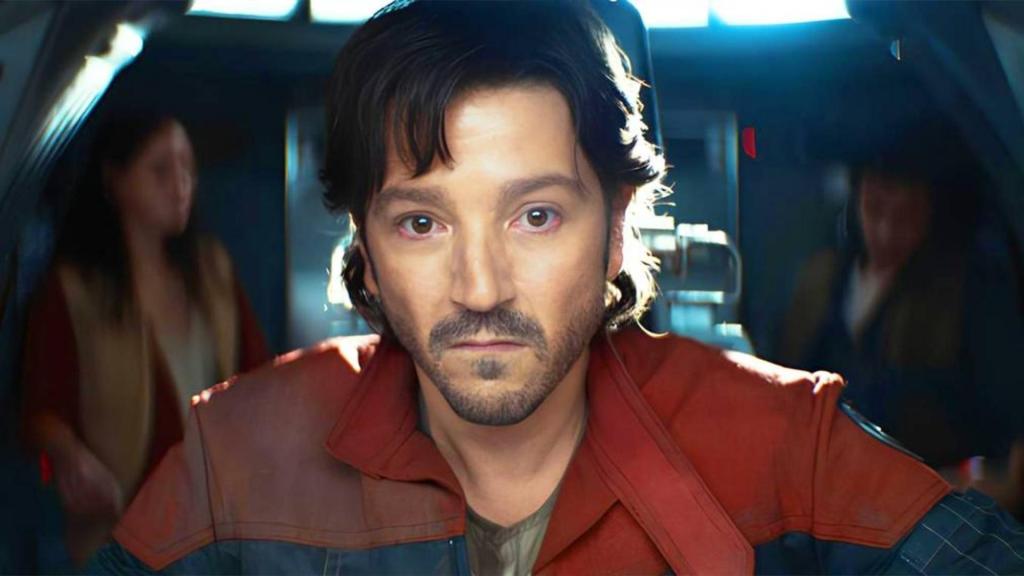
So maybe that’s why Andor hits harder right now. It doesn’t shout. It simmers. It’s angry, but restrained. It doesn’t pretend things will work out in the end. Instead, it asks you what you’re willing to lose to make things barely better for someone else.
I think a lot about how these stories reflect what we crave. Superman is comfort food. He’s aspirational. He’s what we wish would happen. That someone stronger, better, incorruptible would show up and fix it all. But Andor is a call to arms. It tells you nobody is coming. It tells you to get up anyway.
And if I’m being honest, there are days when I want that comfort. I want the perfect man in the sky who can rewind disasters and punch the bad guys into the sun. I want the fantasy. But the part of me that still gives a damn about the world—the part that’s tired, angry, and watching democracy erode in real time—doesn’t want fantasy. It wants fire.
And Andor delivers fire. It says your voice matters. That you don’t need to be invincible to make a difference. That your fear is valid, but your silence is complicity. It gives you the tools to feel something again—to remember that resistance doesn’t begin with a speech or a symbol. It begins with saying “no.” Loudly. Repeatedly. Until someone else says it too.
You’ll never be Superman. But you can be Cassian Andor. You can say no. You can disrupt. You can resist in ways big and small, even if you don’t get a medal or a statue or a posthumous Disney+ tie-in.
And maybe that’s what makes Andor revolutionary. Not the visuals. Not the lore. But the message. Don’t look up. Look around. Look at what’s broken and who’s hurting. Look at the systems, the lies, the casual cruelty baked into the status quo. Look at the people still trying to fix it. And then ask yourself if waiting on someone in a cape is really the answer.
Me? I’m with the rebels.

 Hollywood After Dark