
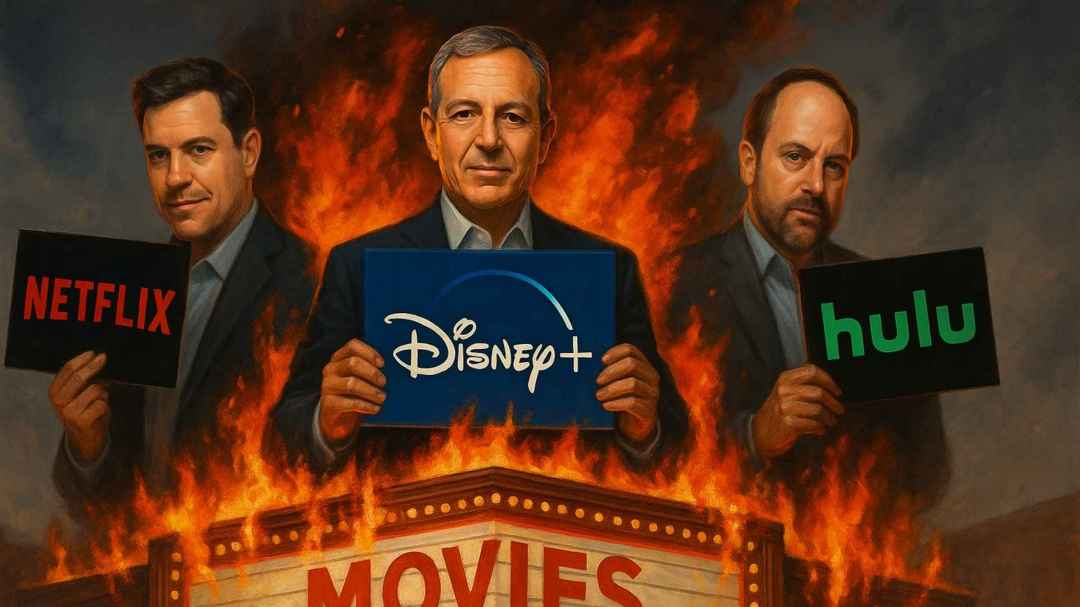
In 2024, subscription streaming services pulled in over $40 billion in U.S. consumer spending. That number absolutely dwarfs the domestic box office, which landed around $7.5 billion. For anyone still treating theatrical numbers as the end-all, it’s time to adjust your perspective. The box office isn’t the final word on a movie’s success anymore—it’s the opening act. The real money is made at home.
Studios have caught on to something audiences figured out years ago: convenience wins. You can’t overstate the role of streaming in a movie’s long-term profitability. It’s where the rewatch value gets unlocked, where entire families catch up on what they missed in theaters, and where subscriber growth gets a shot in the arm. Take Deadpool & Wolverine, one of Disney’s biggest 2024 hits. It earned $400 million in net profit, and a full $360 million of its revenue came from home entertainment and streaming platforms. That’s over a third of the film’s financial success happening after the last ticket was sold.
This shift isn’t isolated. Inside Out 2 topped Deadline’s 2024 Most Valuable Blockbuster list with $650 million in profit. That kind of result doesn’t come from box office alone—it comes from a perfectly timed theatrical release followed by a powerhouse streaming rollout. Studios are using theaters as launchpads now, not landing strips. The buzz generated by a theatrical release helps build momentum, but it’s the downstream that really delivers.
And while SVOD continues to dominate the home video conversation, it’s worth noting that PVOD (Premium Video on Demand) has quietly become a powerful revenue engine in its own right. While full-year PVOD data for 2024 is harder to pin down, one title made it impossible to ignore: Wicked.
When Universal released Wicked on PVOD on December 31, 2024, it raked in an astonishing $70 million in just one day. That set a new digital record for Universal and showed just how lucrative early digital access can be. By early 2025, Wicked had pulled in over $100 million in total digital revenue across PVOD and other home platforms. This wasn’t just a one-off success, either. It fit neatly into Universal’s broader PVOD strategy, which began with Trolls World Tour back in 2020 and has since generated over $1.5 billion in revenue. PVOD might not have the market share of SVOD, but when used strategically, it delivers big.
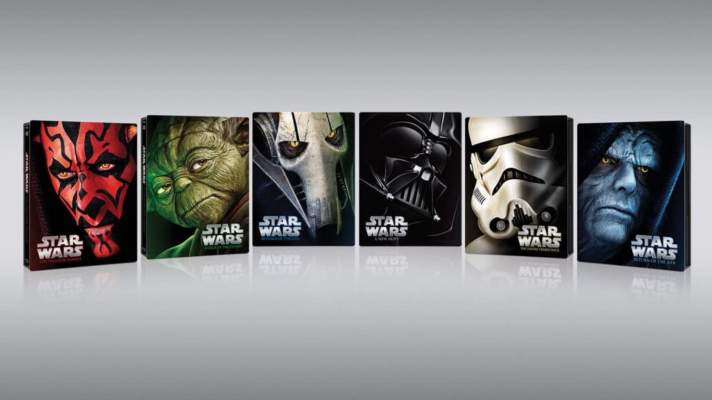
Meanwhile, physical media is still hanging in there. It’s easy to dismiss it as a relic, but that’s not quite fair. It’s more accurate to say it’s evolving. The average consumer may have moved on from DVDs and Blu-rays, but collectors and cinephiles are keeping the format alive. And it’s not just nostalgia—it’s about quality, ownership, and permanence in an era where streaming libraries change with the seasons.
But not all evolution is consumer-friendly. Studios like Disney have recently partnered with Sony to distribute their physical media, and one of the most noticeable results has been a wave of Steelbook editions. Nearly every major new release is getting the Steelbook treatment now, regardless of demand. It’s a deliberate strategy to lean hard into the collector market, where shiny metal packaging can justify a premium price tag.
But here’s the thing: not every collector wants a Steelbook. Many would prefer a high-quality slipcover, reversible art, or even a standard case that isn’t a gamble to ship. Steelbooks look great on a shelf, but they’re fragile. They dent, they scratch, and they’re routinely damaged during shipping—especially from Amazon, where protective packaging is often an afterthought. When a $40 collector’s item shows up looking like it lost a bar fight, it’s hard not to feel like the format itself is being treated as disposable.
The shift to Steelbooks also reflects a bigger issue: physical media is being packaged and priced for collectors, not casual consumers. That’s partly due to market realities, but it’s also a response to a supply chain that’s been throttled by rising costs and lingering effects of the Trump-era trade war. Tariffs and material shortages have driven up production costs, and the result is fewer releases, higher prices, and more risk passed down to buyers.
Even boutique labels are feeling the squeeze. What used to be a $29.99 standard edition now starts closer to $39.99, with tighter margins and smaller print runs. Retail shelf space is vanishing. Discs are harder to find in-store. And yet, for collectors, these releases still matter. They represent a commitment to film history, to presentation, and to ownership that streaming simply can’t replicate.
Still, there’s no denying the broader trend. The structure of home video has changed. Instead of shelves, we have apps. Instead of discs, we have subscriptions. The economics have shifted, and streaming is now the backbone of movie monetization. What used to be called the “ancillary market” is now the main event.
So when a studio brags about a film topping the box office, it’s worth remembering that’s just the beginning. The real test is what happens next—on VOD platforms, in licensing deals, and on the streaming platforms that will host that movie for years, quietly racking up views, engagement metrics, and subscriber retention.
Home video didn’t die. It just shapeshifted. And for the people still buying discs, still organizing shelves, still hoping for that proper 4K restoration of a forgotten cult classic—the format’s not dead. But it is under pressure. And it needs advocates now more than ever.
Because the theater may still deliver the spectacle, but it’s at home where a movie truly lives.

 Hollywood After Dark