
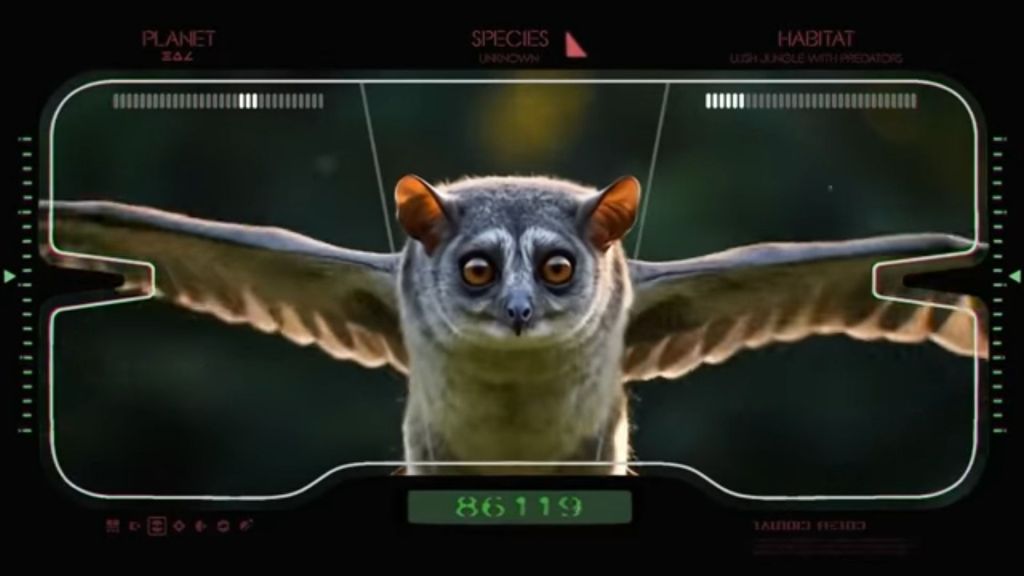
Lucasfilm has always been ahead of the curve—sometimes uncomfortably ahead. This is the studio that brought us the first fully digital character, the first movie shot entirely on digital, and one of the first major pushes into virtual production with The Mandalorian. So when Rob Bredow took the stage at TED and showed off Star Wars Field Guide, a short film made almost entirely with generative AI tools, it wasn’t some gimmick. It was a mission statement. Lucasfilm isn’t testing the waters—they’re already swimming laps. And anyone who’s surprised by that hasn’t been paying attention.
There’s been a lot of noise lately from people who claim George Lucas would never approve of AI in filmmaking. That he’d be horrified by machine learning replacing artists and that somehow this new wave of tech runs counter to the “spirit” of Star Wars. But let’s get real for a second. George Lucas has always been in love with the bleeding edge. The guy practically invented the modern VFX pipeline just to tell the stories he wanted to tell. He didn’t wait for someone to hand him the tools—he built them. From the Dykstraflex motion-control camera in 1977 to full-on CG Yoda by 2002, Lucas didn’t fear technology. He weaponized it in service of imagination.
And that legacy continues through Industrial Light & Magic. You know what ILM’s real secret sauce is? It’s not the render farms or proprietary software. It’s the willingness—the unshakable belief that technology can serve storytelling if it’s in the right hands. That same belief is what gave us Jurassic Park. The original plan was to use massive animatronic dinosaurs and Phil Tippett’s stop-motion magic. But then producer Kathleen Kennedy saw a looping CG test while walking the halls of ILM. She brought it to Spielberg, and the rest is cinematic history. That moment literally rewrote the future of visual effects. Not because someone begged for change, but because someone recognized it when it showed up on a hallway monitor.
That was 1993. Fast forward to The Book of Boba Fett, where Luke Skywalker makes a return—young, vibrant, believable. Not through one method, but three. A body double performed the movements. AI-generated deepfakes recreated a young Mark Hamill’s face. And Respeecher cloned his voice with eerie precision. This wasn’t a cold, lifeless machine doing the work. It was a symphony of artistry and innovation, guided by people who know how to tell stories—and happen to have a few new tools in the kit.
And yes, Shamook—the YouTuber who schooled Disney with his own deepfake of Luke in The Mandalorian—now works for Lucasfilm. That’s not just hiring talent. That’s acknowledging that creativity doesn’t only exist inside studio walls. It’s also a quiet reminder: this isn’t a zero-sum game. The tools are getting better. The gatekeepers are getting smarter. And the future is being written by people who aren’t afraid to let the machines help.
But let’s circle back to that moment on Jurassic Park. Phil Tippett, upon seeing the first CG test, reportedly muttered, “I think I’m extinct.” Spielberg, ever the opportunist, turned that line into dialogue for Dr. Grant. It’s iconic. It’s funny. But here’s the part most people miss: Phil Tippett never went extinct. He adapted. He’s still working today, contributing stop-motion walkers to The Mandalorian. The very technology that once threatened him became part of his toolkit. That’s not extinction. That’s evolution.
Look, I get it. Change is scary. Especially when it feels like it’s moving faster than your ability to keep up. But film has always evolved. Sound scared the silent stars. Color terrified black-and-white purists. Digital horrified celluloid loyalists. Every time a new tool comes along, someone panics. But you know what’s never changed? The need for someone with a vision. AI isn’t replacing vision. It’s making it easier to explore.
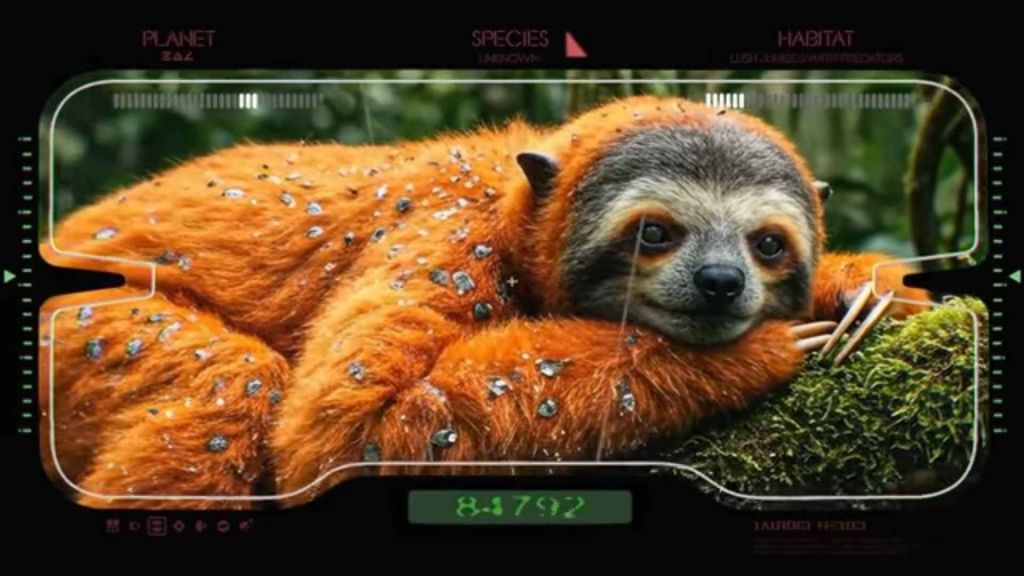
Star Wars Field Guide isn’t the death of cinema. It’s the birth of a new sketchbook. Imagine a world where you can test your ideas in motion, with texture, lighting, and sound—all before the first official shot is scheduled. That doesn’t kill creativity. It supercharges it. It lets artists experiment faster, fail faster, and find the right path faster. And that means we get more stories, better stories, told by more people than ever before.
Anyone saying otherwise is just scared. Maybe they’re clinging to a system that felt stable. Maybe they’re worried their skills won’t transfer. Maybe they’re worried about becoming obsolete. But the truth is, no one is obsolete if they’re willing to adapt. Just ask Tippett. Just ask Shamook. Just ask Lucas, who paved this road so long ago.
AI isn’t the villain. Stagnation is. And Lucasfilm—once again—is lighting the path forward, not just for science fiction, but for storytelling itself.

 Hollywood After Dark