

Joe Russo—not the Marvel guy, the one working the horror circuit—has been on a bit of a tirade lately about AI in filmmaking. According to him, if you use artificial intelligence in any part of your creative process, you’re not a real filmmaker. Not a controversial take in 2025. But coming from someone in horror? That’s where the irony starts dripping like blood from a ceiling vent.
Because let’s be real: horror is the genre of fear. Not just of ghosts and gore, but of the unknown, the other, the thing we don’t understand. Horror has always embraced the bizarre, the fringe, the outcast. It was never about playing it safe—it was about making something with whatever tools you could scrape together. So the idea that horror creators—people who built their reputations on duct tape and dreams—are now gatekeeping AI like it’s a demon that needs to be exorcised, well… that’s rich.
AI isn’t some soulless Skynet trying to erase the human touch. It’s a set of tools—tools that let broke weirdos, first-timers, and kitchen-table visionaries make things they’ve only ever seen in their heads. We’re in the cave painting era of AI filmmaking. Crude? Sure. But also kind of brilliant. And it’s getting better. Faster. Weirder. And horror should be the first genre ready to roll around in that.
But instead, you’ve got people like Russo shouting from the pulpit that this isn’t “real.” Which is hilarious when you remember how many horror filmmakers were told the same thing. For years, horror wasn’t considered cinema. It was trash. Schlock. Drive-in filler. Even now, if you mention horror in Oscar season, you’ll hear the same tired refrain: “But is it art?”
And yet, here we are—watching horror filmmakers become the very gatekeepers they used to spit on.
Let’s talk about what AI actually is. It’s not replacing the filmmaker. It’s expanding what a filmmaker can do. If you’ve got a story, AI lets you get it down. If you’ve got a world in your head you can’t draw or shoot or afford, AI helps you visualize it. The storytelling? Still has to come from you. The voice, the meaning, the emotional core—that’s still human. Always will be.
Even Ben Affleck gets this. In a recent interview, he said, “AI can write you excellent imitative verse that sounds Elizabethan. It cannot write you Shakespeare.” That’s it. That’s the whole point. AI is a mirror. A flashlight. A palette. But it’s not the painter. Affleck even went a step further, saying AI could lower the cost of filmmaking and let more voices in the room. Imagine that—democratizing access to storytelling, not shutting it down because it makes the old guard uncomfortable.
James Cameron, ever the futurist, sees the same potential. He doesn’t want AI to replace jobs—he wants it to make the existing artists faster, better. His words: “That’s not about laying off half the staff… That’s about doubling their speed to completion on a given shot.” The guy who made The Abyss and Avatar sees AI as a workflow revolution, not a threat. And if James Cameron—who basically invented half of Hollywood’s VFX pipeline—is cool with it, maybe it’s not the apocalypse after all.
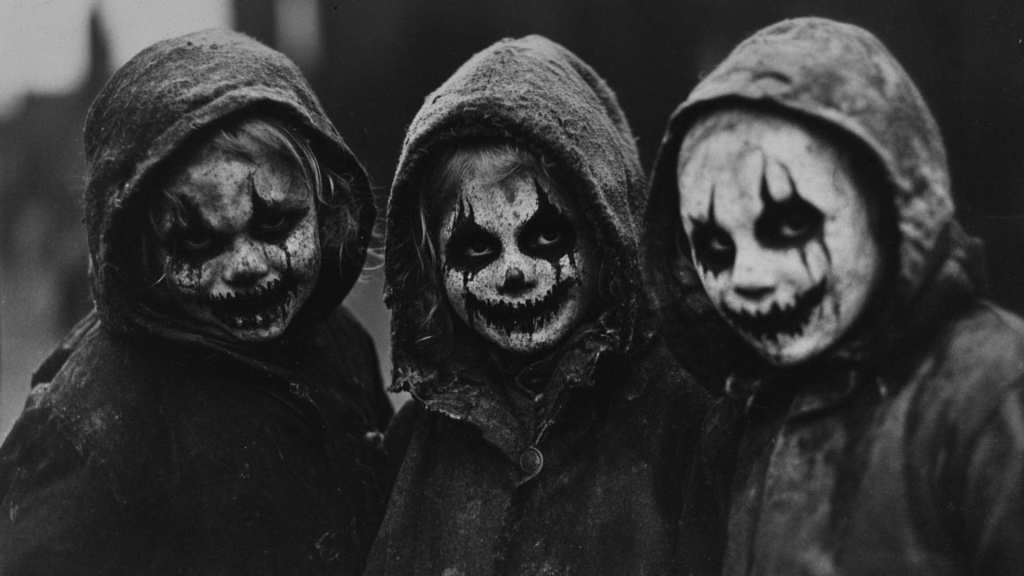
What’s really happening here is an existential crisis. And I mean that in the most horror-movie sense possible. Deep down, the fear isn’t about AI making bad movies. It’s about AI letting anyone make a movie. And if anyone can make something, what happens to the people who built their identities on being the few who could? The fear isn’t “the machines are coming.” The fear is “what if I’m no longer special?”
That’s a very human fear. But horror should know better than anyone how to process that. Horror doesn’t run from the monster—it walks toward it with a flashlight and a camcorder.
You want to talk about real horror? Try being a nobody with no budget and no connections and watching people who used to champion outsiders now slamming the door shut behind them. Try making something personal, strange, raw, and having it dismissed because you used AI to help you finish the shot. That’s horror. Not the tech—the reaction to it.
AI is punk rock. It’s dangerous, unpredictable, cheap, fast, a little messy, and completely built for outsiders. It’s perfect for horror. Horror has always been about the stuff we can’t quite name. The stuff that makes us feel just a little too seen. The best horror stories don’t reassure us. They unsettle us. And AI is unsettling. That’s the point.
So yeah, I get it. There’s fear. There’s uncertainty. There’s the creeping realization that everything is about to change, and no one knows what the rules are anymore.
Good.
That’s when horror thrives.
So if you’re in this genre, if you love it, if you live for that feeling of something brushing the back of your neck in the dark—chase the danger. Don’t pretend you don’t see it. Don’t scold it like a parent who found weed in their kid’s backpack. Lean in. Get weird. Get creative. Use the tools. Break them. Make something no one’s ever seen before.
Because horror doesn’t run from the monster.
It invites it in.

 Hollywood After Dark