
There’s a quiet kind of heartbreak in watching the movie industry drift further away from the thing that made it special. It used to be about the experience—sitting in the dark with strangers, surrendering to a story too big for a living room. But somewhere along the way, it all got flattened into “content.” Streamers took over, box office expectations collapsed, and the very idea of a theatrical release started to feel like a luxury instead of the default. For a while, it seemed like the kind of movies that shaped generations—bold, personal, risky—might never come back. And then along came Sinners.
Since then, it’s felt like the soul of cinema has been dangling by a thread, and the people holding the scissors have streaming deals and shareholder meetings to attend. Big directors went to Apple, Netflix, Amazon, Disney—you name it—and started pumping out content. Not movies, not films, not “pictures” in the old-school Scorsese sense, but content. Slick, expensive, often beautifully shot content that disappears into the algorithm within 72 hours and rarely leaves a lasting impression. There are exceptions, of course. But most of it just scrolls on by.
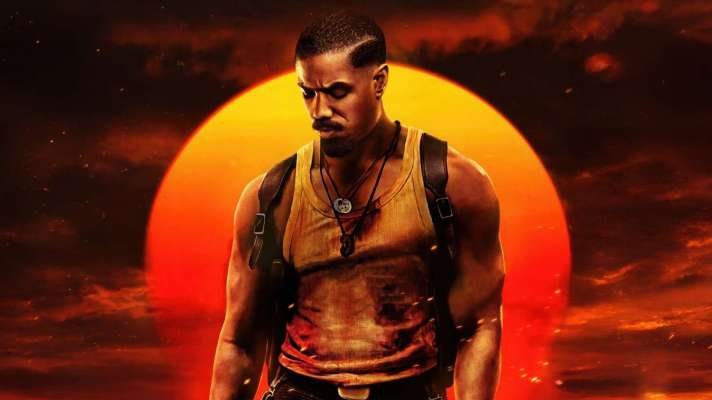
Then something like Sinners happens. A $90 million, mid-budget, original drama from Ryan Coogler. Not a sequel. Not a reboot. Not IP. And people showed up. Like, really showed up. Word of mouth exploded, box office held strong, and it actually felt like an event. The kind of movie people talk about on the way out of the theater. The kind of movie that sparks arguments, essays, tweets, and uncomfortable conversations. The kind of movie that, for a brief moment, makes it feel like 2019 again.
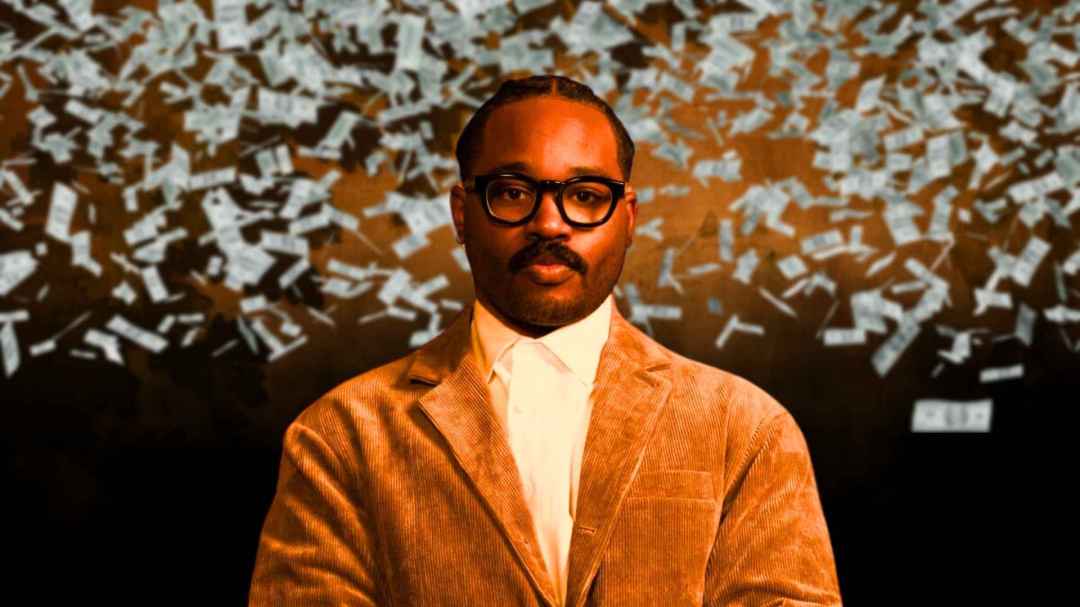
And here’s the kicker—Coogler didn’t just direct Sinners. He negotiated one hell of a deal. First-dollar gross. Final cut. And, most shockingly to some people in the industry, ownership of the film reverts to him after 25 years. That last part? That’s the one that really sent Hollywood into a tailspin. Because for the studios, it’s not just about making a movie—it’s about owning it forever. Movies are assets, leverage, catalog titles to be bundled and resold for eternity. And suddenly, here comes Coogler saying, “No thanks. I’ll take it back after a generation.”
What’s wild is that this isn’t even a new idea. Quentin Tarantino has negotiated similar rights reversions. Peter Jackson. Richard Linklater. Christopher Nolan. Hell, even Mel Gibson. But for some reason, when Coogler—who, let’s be real, has earned every inch of his seat at the table—gets the same deal, everyone loses their minds. Suddenly it’s “dangerous,” it’s “reckless,” it’s “setting a bad precedent.” Why? Coogler doesn’t outright say it, but he doesn’t have to. You can fill in the blank. The same system that says it’s all about merit suddenly gets very quiet when a Black filmmaker demands what his white peers have already received.
But here’s the reality: Coogler has brought in over $2 billion at the global box office. And yeah, most of that is Black Panther, but so what? Are we disqualifying directors now because they made successful franchise films? Zack Snyder’s career is practically built on IP, and no one’s telling him he hasn’t earned his shots. The truth is, Coogler made a deeply personal, original film and leveraged his success to negotiate a deal that reflects the value he brings to the table. That’s not dangerous. That’s common sense.
And it’s necessary. Because we’re living in a moment where the theatrical model is gasping for air while streamers rake in billions monthly. Netflix alone clears over $3 billion a month in revenue. Disney+, Amazon, even Max—they’ve all got their own money machines churning. Theaters? They’re still recovering, still vulnerable, still hoping people will choose a movie ticket over staying home. And in that landscape, Sinners proves there’s still power in the big screen experience. Not just nostalgia—actual impact.
What Sinners has that so many streamer projects lack is permanence. It feels like a film that will stick around, that people will revisit, study, and talk about in a decade. Try saying that with a straight face about Rebel Moon. Or The Killer. Or even Hit Man—a good movie, sure, but it dropped on Netflix and vanished into the ether like a puff of smoke. That’s what the algorithm does: it consumes and forgets. But a theatrical film with cultural weight? That carves out legacy.
And maybe that’s the real threat. Not the contract. Not the precedent. But the fact that a movie like Sinners—a movie about Black voices, Black music, Black ownership—might endure. That it might not be a blip or a fluke but a shift. A sign that we’re done letting streamers be the default. A reminder that movies still mean something when you give them space to breathe, when you don’t bury them under a thumbnail and a “Because You Watched…” label.
Coogler’s deal isn’t the end of the studio system. It’s a challenge to do better. To recognize that the creators behind these films deserve a slice of the long-term pie. To stop treating art like temporary content and start investing in stories with staying power. And yeah, it’s about money. But it’s also about legacy. About being able to pass down not just a check, but ownership. That’s what Coogler fought for. And that’s what studios are afraid other filmmakers might start asking for, too.
But maybe they should. Because if this industry is going to survive, it won’t be because of another IP reboot or a splashy streaming exclusive. It’ll be because someone, somewhere, took a chance on a story that mattered—and gave the storyteller the credit they deserved.

 Hollywood After Dark