
Let’s be honest—rebooting Urban Legend in 2025 is either going to be inspired… or hilariously misguided. The original 1998 film was a time capsule of late-‘90s horror: post-Scream snark, Dawson’s Creek actors in danger, and a killer who basically turned Snopes into a murder weapon. It leaned into the idea that whispered stories—campfire tales, dorm room gossip, that “I heard it from my cousin’s roommate” vibe—were fertile ground for slasher mayhem. But this new reboot? It’s not lurking in the woods or your backseat anymore. It’s logging on.

Sony’s Screen Gems has handed the reins to horror veteran Gary Dauberman (Annabelle Comes Home, Until Dawn) with a fresh script by Shanrah Wakefield. The pitch this time? Exploring how modern urban legends spread in the digital age—through TikTok, Instagram, viral challenges, and good old-fashioned internet panic. And honestly, that’s kind of brilliant. Because if there’s one place more terrifying than a haunted house or a dark forest, it’s the unfiltered chaos of the algorithm.
But here’s where it gets tricky. Our modern “legends” aren’t just ghosts or masked killers—they’re hoaxes, trends, viral dares, and digital rabbit holes. Remember the Blue Whale Challenge? That supposedly real but widely debunked “game” that pushed teens through a series of increasingly dangerous tasks, allegedly culminating in suicide? Even though the facts were murky, it created a media firestorm. Parents panicked, schools issued warnings, and the myth took hold—not because it was real, but because it could be. And that’s the secret sauce of any good urban legend.
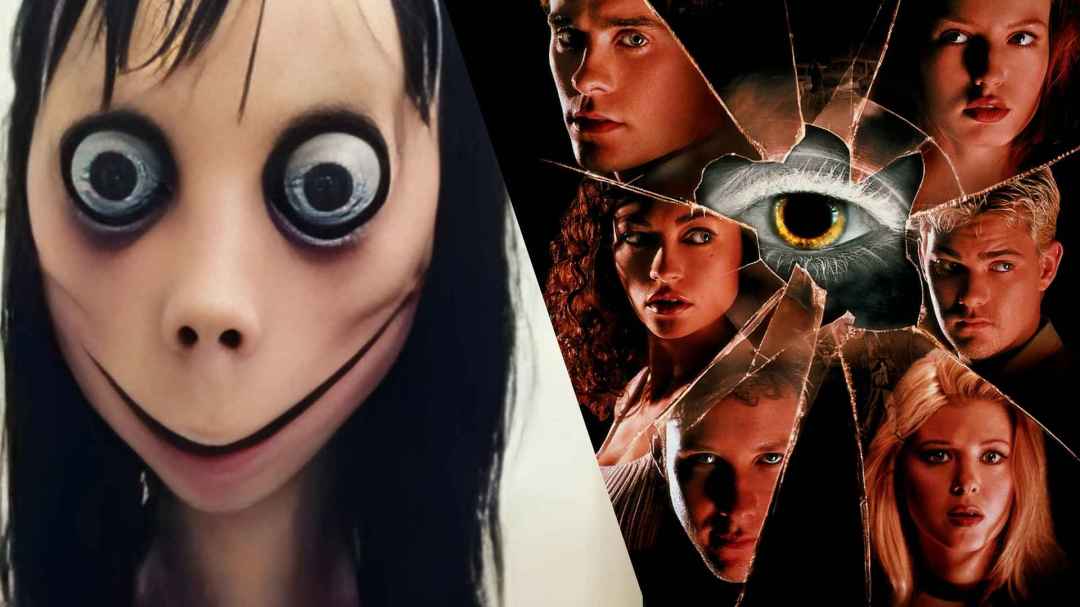
Then there was Momo, the freaky bird-faced woman slapped onto a hoax that claimed she was messaging kids with violent instructions. It wasn’t real. But it didn’t matter. The image was unsettling enough, and the headlines hysterical enough, that it wormed its way into the collective brain of the internet for a hot minute. You couldn’t scroll anywhere without someone warning you about Momo.
Let’s not forget the Tide Pod Challenge. 2017 was wild. For like three surreal months, teens were chomping down on laundry detergent for likes. Tide had to launch a PR campaign. Rob Gronkowski filmed a PSA. And every parent in America suddenly started locking up their cleaning supplies like they were storing plutonium. It was dumb. It was dangerous. And it was absolutely viral. Again, urban legends don’t need to make sense—they just need to hit the right emotional nerve at the right time.
But if we’re talking about eerie, internet-age horror stories that should be in this movie, there’s one that stands above the rest: Randonautica.
This app was like Pokémon Go for weirdos. It used random number generation to give you GPS coordinates nearby, encouraging you to “manifest your intent” and then go explore. Sometimes users found trash. Sometimes weird coincidences. Sometimes just a dead-end alley. But the idea was pure internet magic: gamifying the uncanny. And then came Seattle.
In June 2020, a group of teens using Randonautica on Alki Beach stumbled upon a suitcase. Inside? Human remains. Actual, real human remains. The bodies were later identified as Jessica Lewis and Austin Wenner, a couple who’d been murdered and dismembered. The kids filmed it. Posted it. And just like that, Randonautica became the centerpiece of a true crime story that felt ripped from a horror movie. The app wasn’t just spooky anymore—it was infamous.
If I were writing Urban Legend: 2025, that’s where I’d start. The idea that a game, or a viral trend, or a creepy story passed around Reddit, could lead to something real. Something lethal. Something that feels like coincidence—until it doesn’t. We’ve already had screen-life horror (Unfriended, Spree, Deadstream) that explored digital anxiety, but this? This could tap into something darker. The notion that the myths we’re chasing on TikTok might actually be chasing us back.
Of course, there’s a razor-thin line between commentary and exploitation. If the movie leans too hard into the shock value of these trends—especially ones tied to self-harm or suicide—it risks becoming crass. But if it treats them with even a hint of care, with a sense of why these stories spread, and how they reflect our current fears? Then there’s a real opportunity here.
And let’s not pretend this is Sony’s first stab. There was a planned reboot back in 2020 with Colin Minihan (What Keeps You Alive) at the helm and stars like Sydney Chandler and Katherine McNamara attached. That one got canned after COVID derailed production and the studio lost interest. But this time—with Dauberman coming off Until Dawn and Screen Gems trying to rebuild its horror brand—there’s a stronger push to make this thing stick.
The potential is sitting right there, staring us in the face. The old Urban Legend movies played with myths passed around by word of mouth. The new one could explore how digital folklore works—how stories mutate, go viral, and sometimes cross over into reality. It’s not about who’s behind you in the mirror anymore. It’s about what you’re manifesting without realizing it. What you’re clicking into existence. What you’re letting into your head, one TikTok at a time.
Because in 2025, the scariest thing about an urban legend isn’t whether it’s true. It’s how fast it spreads—and how easily we believe it.

 Hollywood After Dark