
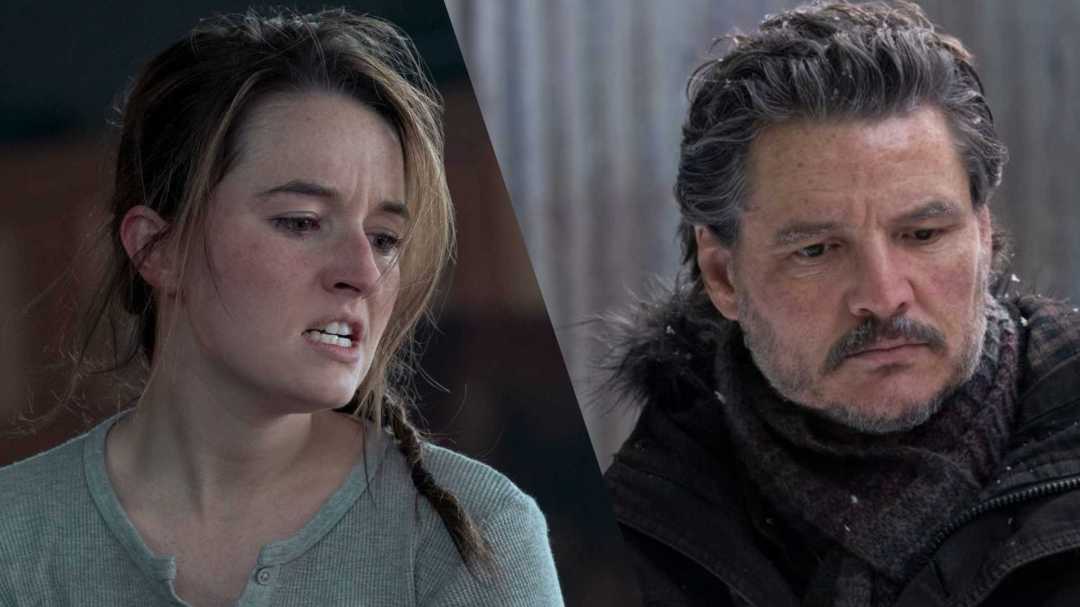
Joel’s death was never going to be easy to watch, but did HBO really have to go there?
Let’s back up. In 2020, when The Last of Us Part II leaked online ahead of its release, it lit a match that burned straight through the internet. Joel, the man who carried the emotional weight of the first game—gritty, flawed, fiercely protective—was taken out early with a golf club to the head. Abby, a new character we barely knew, swings. Ellie screams. And just like that, one of the most beloved protagonists in modern gaming was gone. Fans didn’t just hate it—they revolted. Metacritic’s user score tanked, YouTube and Reddit were flooded with backlash, and Neil Druckmann was cast as gaming’s new villain. And sure, there was a thematic point buried in there—“violence begets violence,” the cyclical nature of revenge, yada yada—but most people didn’t care. They just wanted more time with Joel.
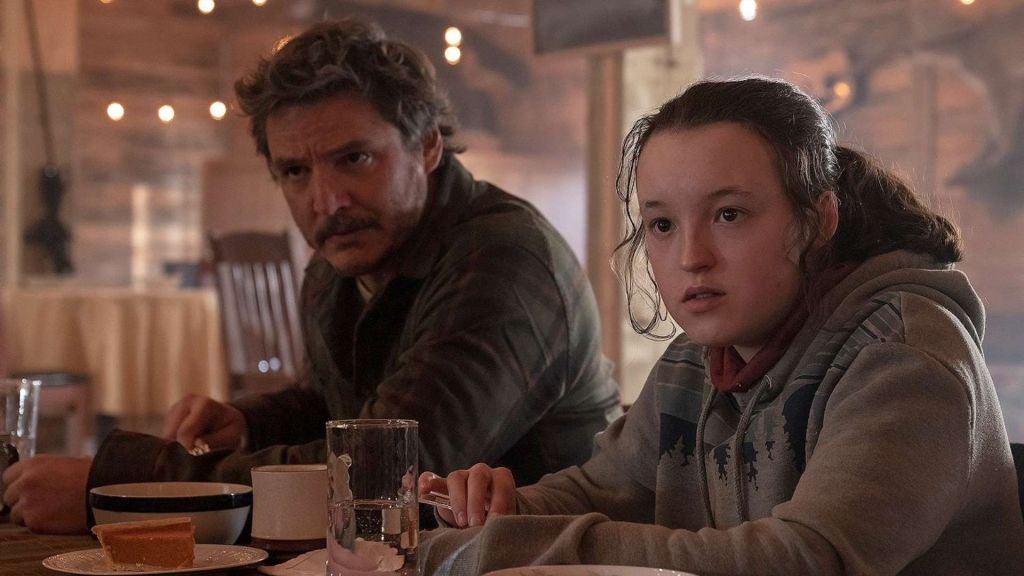
Now it’s 2025, and HBO had a golden opportunity. A chance to learn from that backlash, to take what worked in the game and adapt what didn’t. This wasn’t just a shot at redemption—it was an open goal. But instead of kicking it in, they laced up the same old boots, ran the same play, and watched history repeat itself. In Episode 2 of Season 2, Joel dies. Brutally. Viscerally. Just like before. And you can almost hear the collective groan ripple through X as viewers realize they’re watching the exact moment they hated come to life in even bloodier detail.
It’s not that fans can’t handle death. Glenn’s death on The Walking Dead proved that. But it also proved something else: go too far, too fast, and people check out. When Negan beat Glenn’s brains in with Lucille, viewership plummeted. Not slowly—immediately. Millions of people tuned out, not because the scene was bad (it was well-acted and brutal and faithful), but because it felt like a punishment. A betrayal of investment. That’s exactly what Joel’s death risks doing. It’s not about whether it’s earned in some grand thematic sense—it’s about whether people feel like it was worth sticking around for. And in TV, that’s everything.
The irony is that HBO already proved they could do better. In Season 1’s third episode, “Long, Long Time,” they rewrote Bill and Frank’s story entirely. What was a side quest in the game became a masterclass in emotional storytelling—romantic, tragic, and deeply human. It showed that the showrunners get it. That they know how to honor the source material without being chained to it. So the question is: why not do that here? Why not reimagine Joel’s fate, or at least build suspense around it? You could’ve had Abby attack, Joel go down, a fade to black—and boom, cliffhanger. Is he dead? Alive? The buzz would’ve been massive. Instead, we got blunt trauma with zero buildup and no air left in the room for anyone to breathe.
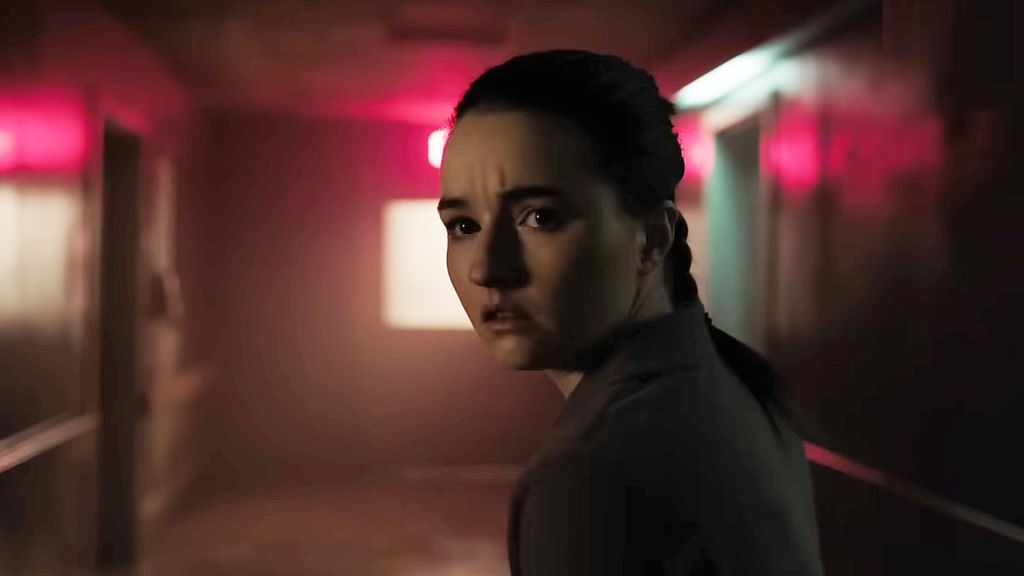
And yeah, I get it. Part of the goal here is to reframe the story through Ellie’s perspective. To make Joel’s death the emotional engine of her arc, just like in the game. But TV isn’t a game. It doesn’t have 25 hours of active player engagement to get you back on board. It has weekly episodes and a fickle audience. Viewers who might not have played the game, or who did and hated that part of it. This was the one shot to course-correct—not to pander, but to pivot. To say, “We hear you. Let’s try something new.”
Instead, it feels like they were more interested in being right than being resonant.
Of course, Episode 2 did big numbers. The Last of Us is a cultural juggernaut. But we’ve seen this before. The question isn’t whether people watched this week—it’s whether they’ll still be watching two weeks from now. If Episode 3 drops and there’s a noticeable dip in viewership, well, it won’t be a mystery why. Glenn’s death was a warning shot. So was Joel’s first one. This? This feels like running straight into the same wall and acting surprised it hurt.
And it didn’t have to be this way.
They could’ve kept Joel alive a little longer. Let him and Ellie reconnect. Let him mentor her through trauma. Let him matter more before taking him out. Or hell, fake us out. Make us think he’s dead. Leave it ambiguous. Give the audience something to hold onto, to debate, to speculate. That’s what great TV does. It makes you need to see what happens next. Not dread it.
Instead, we’re left with the same golf club, the same scene, the same backlash… again.
Will fans stay invested? Maybe. Kaitlyn Dever is killing it as Abby. Bella Ramsey’s Ellie is already in revenge mode. There’s potential here for something great. But it’s a steep hill to climb when you start by alienating the audience that brought you to the dance. And if they’re not careful, this story could become less about a cycle of violence—and more about a cycle of mistakes.

 Hollywood After Dark