
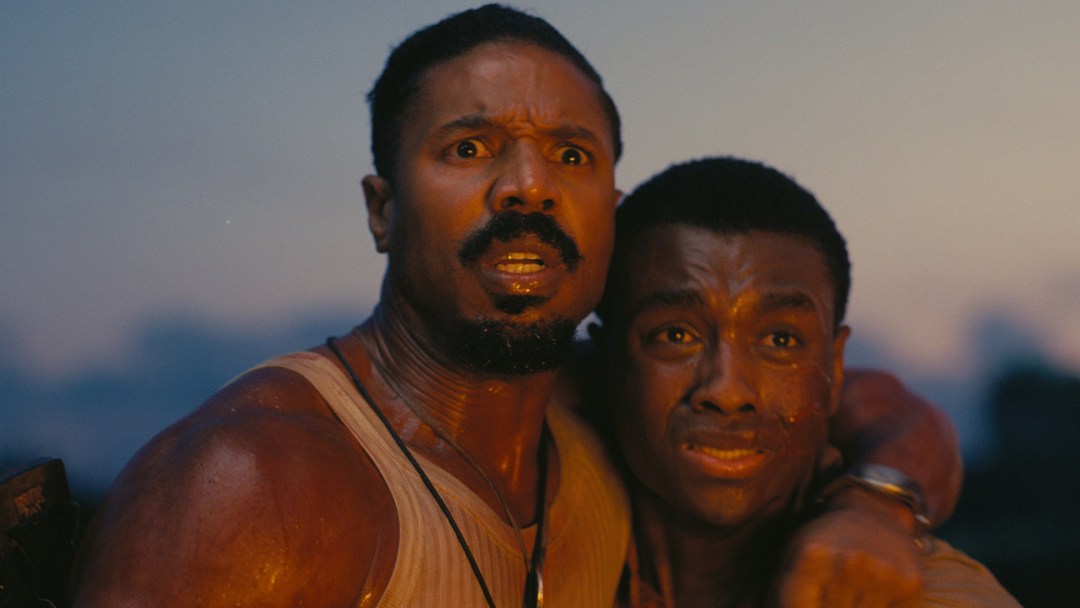
There’s something weirdly exhausting about what happens when a movie like Sinners becomes a hit. Not just because it breaks through the noise—though thank God it did—but because the minute it lands, everyone scrambles to ask the same question: What’s next?
Not “what’s next for Coogler?” Not “what’s next for cinema?” But Sinners 2 when?
I get it. The movie business has taught us to expect serialization. That if something works, it should immediately be copy-pasted and escalated into a franchise. Success is no longer measured by how much you move someone—it’s by how much you can milk it. But here’s the thing: Sinners was never meant to be that. It’s not Creed. It’s not Minecraft. It’s not trying to be a launchpad for the next ten years of studio profits. It was, as Ryan Coogler himself said, a full meal. Appetizer, entrée, dessert. Done.

And yet, you’d never know that by listening to the noise online. Film Twitter is already plotting the sequel. You’ve got pundits casually tossing out ideas like, “Warner Bros. needs to greenlight Sinners 2 immediately to hold second-week momentum.” As if this film—this deeply personal story set during the Jim Crow era—needs to now be repackaged into a trilogy so the studio’s quarterly report can look better. It’s like we’re trying to manifest a franchise into existence simply because we don’t know what else to do with a win that doesn’t have a part two.
Look at Minecraft—$700 million worldwide and counting, with a sequel already in early development. That makes sense. It’s a recognizable brand. It’s a universe that begs for expansion. There are a hundred different stories you can tell in the Overworld. And if you’ve got the creative juice, yeah, make a bunch of them. But that’s a sandbox. That’s what it’s built for. Sinners isn’t.
What Coogler did with Sinners was deliver something original and whole. It’s the kind of film that exists less to build lore and more to build empathy. That alone should be enough. But we live in a media landscape that doesn’t know how to leave a good thing alone. Where the minute something clicks, the pressure mounts to stretch it, cheapen it, twist it into something it was never intended to be. And when the follow-up inevitably fails to capture the lightning again? We blame the original. Suddenly the movie that made you feel something real gets retroactively downgraded because its bastard sequel couldn’t stick the landing. It’s a cycle we’ve seen before. And it sucks.
Especially when the filmmaker already made it clear. Coogler has said repeatedly that this wasn’t meant to be a franchise. He’s done the franchise thing. Creed is a franchise. He helped it evolve beyond Rocky and into something new, something Black-led, something worthy of continuation. He produced Creed II and Creed III because that world had weight. It had history. Legacy. You can keep pulling threads from it and still find something fresh to say.
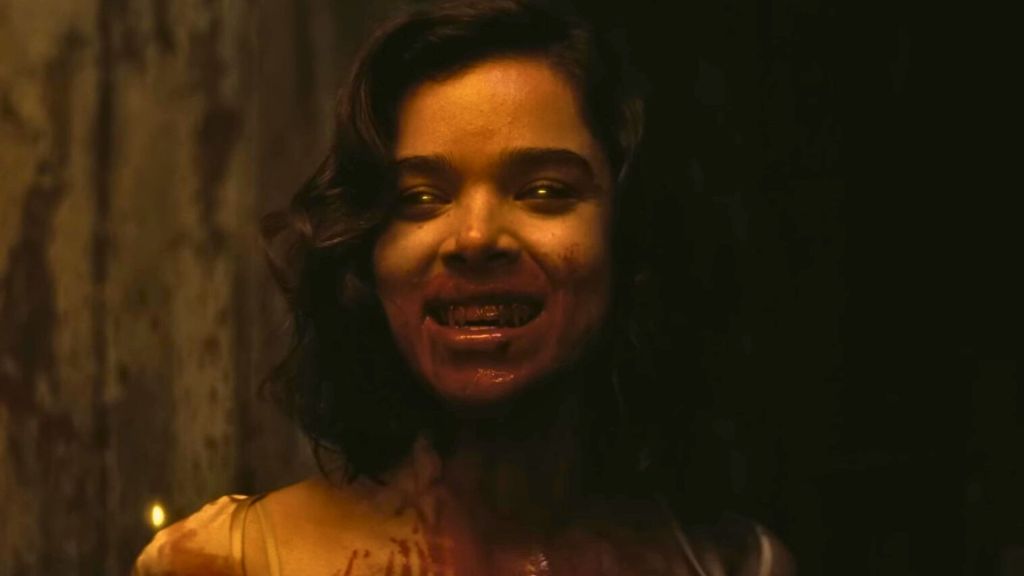
But Sinners is different. There’s no pre-built mythology. No IP scaffolding. It’s Coogler building a world from scratch, telling a story that exists because he needed it to—not because the market asked for it. And ironically, the second that personal vision connected with audiences, the market did ask for it. Loudly.
The irony here is rich. Because one of the most interesting parts of Coogler’s deal with Warner Bros. is that he gets first-dollar gross and the rights revert to him after 25 years. That’s not a franchise play. That’s a legacy move. That’s someone saying, “I want to own my story again in a generation.” And yet people are treating it like the pilot episode to a streaming series. It’s wild.
Maybe the real problem is we’ve forgotten what it feels like to let something stand on its own. In a world of trilogies and reboots and prequel shows nobody asked for, we’ve been conditioned to think every story is just a stepping stone to something else. But not everything needs to be franchised. Not every ending needs a door left open. Sometimes a movie just needs to be… a movie.
Sinners did what few films get to do anymore: it made a mark as something original, something finite, something worth celebrating for what it is—not for what it could become. So maybe instead of begging for Sinners 2, we take a beat. Appreciate what we just got. And if we really want to support stories like this? Demand more like it. Not more of it.
Because in 2025, letting something exist without a sequel might just be the most rebellious thing Hollywood can do.

 Hollywood After Dark