
Ryan Coogler is walking so the rest of Hollywood can run—and most of the industry is too busy running numbers to notice.
It’s kind of amazing what one filmmaker can do by simply betting on himself. With Sinners, Coogler didn’t just make a hit movie—he made a statement. The film is already crushing it with critics and audiences alike: 98% on Rotten Tomatoes, an “A” CinemaScore, and $4.7 million in Thursday previews with a $50 million opening weekend in sight. But the real story isn’t the box office or the review blurbs. It’s the deal that got it there. Final cut. First-dollar gross. And, most shocking of all, full copyright reversion after 25 years. That’s not just rare—that’s damn near mythical.
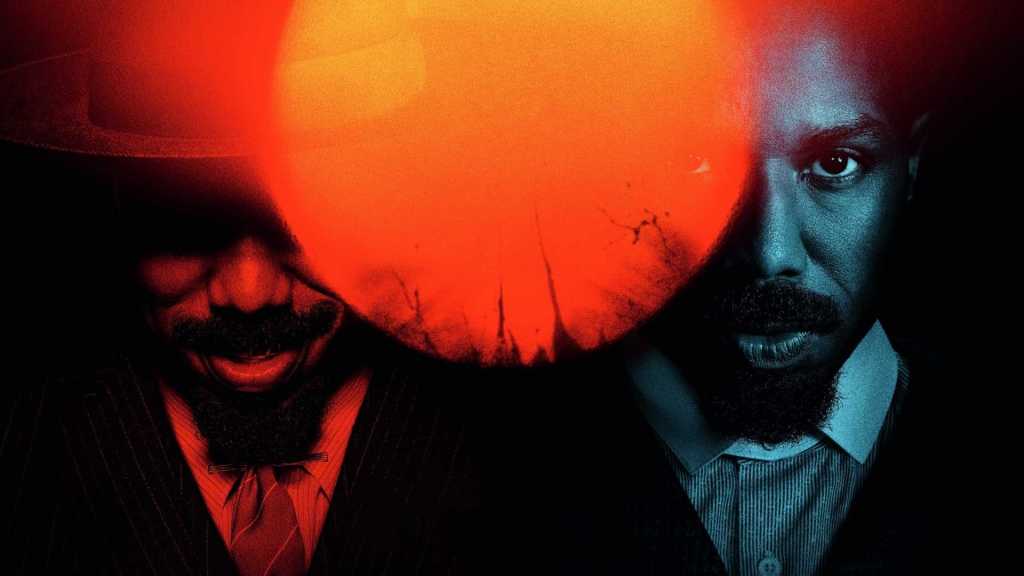
Studio execs are having a meltdown over it. Vulture quoted one calling it “dangerous,” warning it could “end the studio system.” And you know what? If the system collapses because a Black filmmaker got to own his story, maybe the system deserves to collapse.
Coogler isn’t just flexing his power. He’s thinking ahead. He’s making sure that no matter what happens—no matter what corporate merger wipes a platform clean, no matter how many bean counters try to bury art in tax write-offs—his story comes back to him. That’s not just smart. It’s survival.
Because this is the world we live in now. Movies and shows vanish overnight. Entire catalogs pulled off streaming services with no warning, no physical release, no digital backup—just gone. Disney’s done it. Warner Bros. Discovery made it a business strategy. Remember Infinity Train? Gone. Final Space? Gone. Batgirl never even made it out of the vault. So when Coogler builds a clause into his contract to reclaim ownership, he’s not being paranoid. He’s being realistic. And proactive.
He’ll be in his early 60s when the rights come back to him. Who knows where filmmaking will even be by then? But whatever happens, he’ll have his story. His words. His passion. His voice. And no algorithm, no corporate reshuffle, no faceless exec will be able to take that away.
More filmmakers should be fighting for that. Not franchise gigs. Not “entry-level” superhero assignments with five writers and a studio note wall. Real ownership. Real passion. Real authorship. The kind that leaves a fingerprint on every frame. Because audiences feel that. They know when a movie comes from somewhere real.

Jordan Peele is another perfect example. Universal gave him room to run with Get Out, Us, and Nope, and he delivered every time. Why? Because he was telling his stories. Not chasing trends or plugging into IP. Peele and Coogler belong to that rare class of filmmakers where you can watch five minutes and know exactly who made it. That’s not just branding. That’s authorship. And that’s what resonates.
There’s a quote from Dr. Wayne Dyer that’s always stuck with me. “People buy your music, not your words.” I’m not a spiritual guy, but that’s the truth. People don’t go to movies for plot mechanics. They go for the rhythm. The voice. The vibe. And when that’s missing—when a film feels like it came out of a blender—they feel that too.
Right now, Hollywood is stuck in a loop. Sequel to reboot to spin-off. Everything feels safe, familiar, and kind of hollow. And people are getting tired of it. They want the music back. They want to feel something.
Sinners is hitting because it feels like something. It’s bold, personal, unfiltered. A vampire story, yes, but also a film about ownership, identity, and survival. It wasn’t designed in a boardroom. It was crafted. And that’s why it’s working.
Meanwhile, the exec class is still obsessed with data. They’re feeding scripts into AI models and asking spreadsheets to tell them if a movie will make money. Ben Affleck, while promoting Air, slammed this kind of thinking. He said studios are no longer run by people who love movies—they’re run by corporations trying to fit art into a formula. He’s not wrong.
Warner Bros. under Toby Emmerich was already rumored to be using AI systems to predict box office outcomes. Plug in a budget, attach a star, pick a release date, and the algorithm spits out a projection. Sounds smart until you remember The Flash passed every AI checkpoint and still faceplanted like a cartoon character on black ice.
You can’t fake passion. You can’t run “authorship” through an algorithm. And you sure as hell can’t make something memorable if everyone involved is just trying to check boxes.
Coogler’s deal isn’t dangerous. It’s necessary. It’s proof that empowering real filmmakers with real vision can still lead to success. It’s a reminder that audiences are hungry for more than content. They want stories with soul. They want to hear the music again.
So yes, Coogler is walking. And the industry better start running to catch up. Let filmmakers own their stories. Let them take risks. Let them make something that actually matters. Because if Hollywood keeps treating storytelling like a math problem, they’re going to lose the very people they’re trying to reach.
Let Coogler keep his story. And let’s make damn sure he’s not the last one to get that chance.

 Hollywood After Dark