
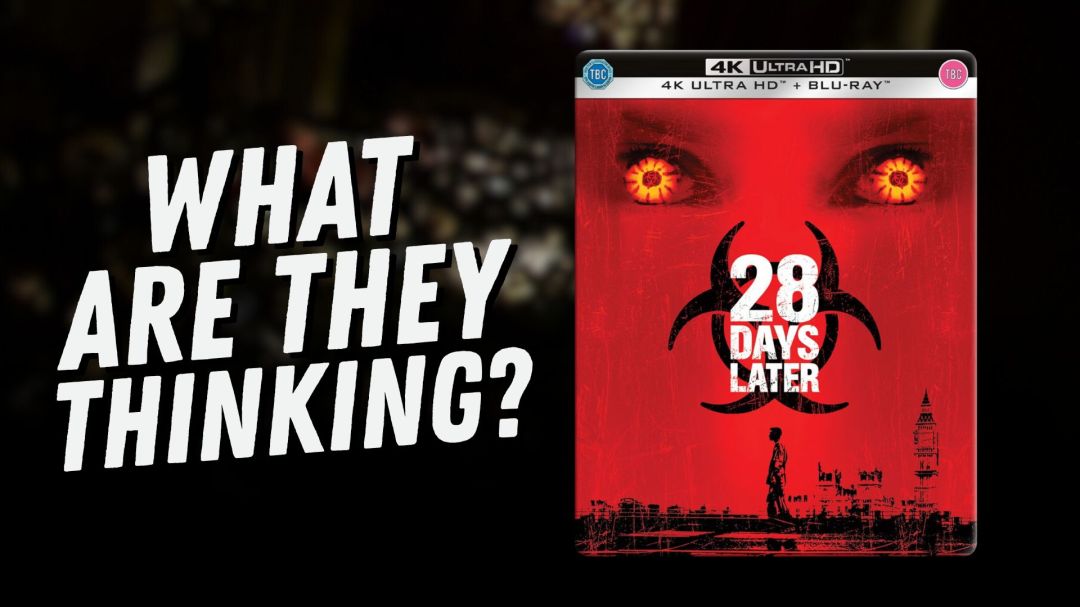
It feels like a joke setup. A movie shot on early 2000s MiniDV, using a Canon XL1 you could find at a garage sale, is being remastered and released in glorious 4K Ultra HD. But it’s real. Sony Pictures has announced a 4K steelbook release of 28 Days Later for June 16, 2025, and this isn’t just a home video novelty. It’s a test. A litmus test for what AI upscaling can really pull off—and whether fans are ready to pay $42.99 for a deliberately ugly movie.
Yeah, that’s the listed price. Forty-three bucks. For a film that was once synonymous with “gritty digital.” And I do mean gritty. Director Danny Boyle and cinematographer Anthony Dod Mantle chose the Canon XL1 on purpose. It was small, easy to move, and disposable enough to not care if it got destroyed filming a deserted Westminster Bridge at 5 a.m. The look was raw, noisy, and stripped of any polish. They wanted it to feel like someone had just grabbed a camcorder and started documenting the fall of civilization. And they nailed it.

Which brings us to the obvious question: how the hell do you upscale that into 4K?
Sony is giving it their best shot. The studio is handling the remaster in-house, as they usually do with high-profile catalog releases. Their proprietary 4K X-Reality PRO engine and Processor X1 have delivered strong results in the past. But 28 Days Later isn’t some dusty 35mm print waiting to be restored. It was recorded in 720×576 PAL resolution on MiniDV tapes. That’s lower than DVD quality. You could fit sixteen of those frames inside a 4K image and still have room left over. We’re not talking about enhancement—we’re talking about reconstruction.
That’s where AI comes in. Tools like Topaz Video AI, VideoProc, and Sony’s internal systems are designed to do more than just stretch pixels. They use machine learning to guess at missing detail, clean up compression noise, and smooth out motion. They’re trained on thousands of hours of footage. They try to think like a camera. Like a cinematographer. In theory, they can upscale low-res video into something that feels like HD, even if it isn’t.
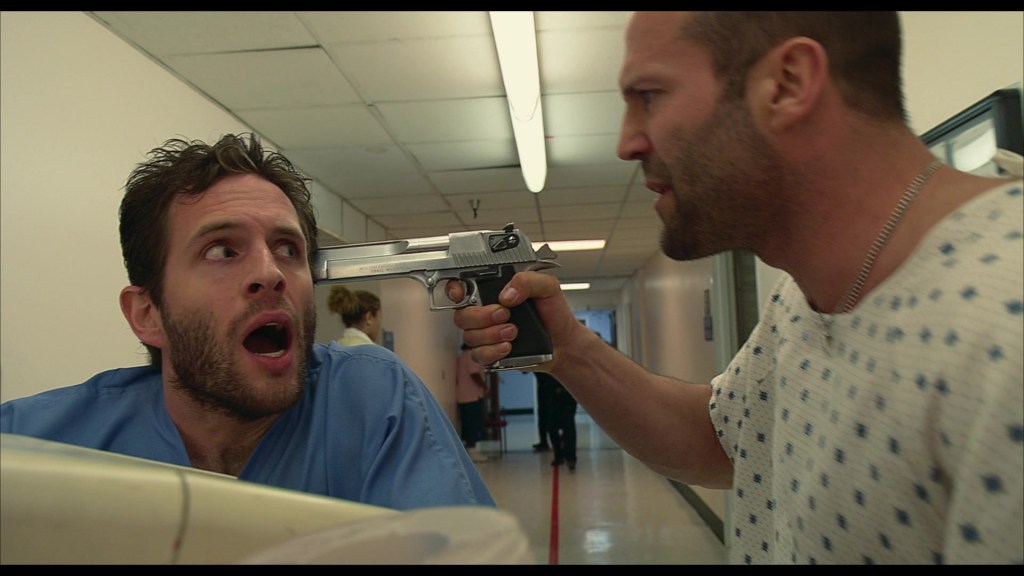
This isn’t unprecedented. In fact, a great comparison point is Crank—the 2006 action movie directed by Neveldine and Taylor that was also shot on MiniDV and digital HD cameras. It used Canon XL2 camcorders for fast-paced handheld scenes and the Sony CineAlta HDC-F950 for higher-res sequences. And yes, Crank got a 4K release too. Reviews were mixed. The upscaled image didn’t magically transform into a visual marvel, but the Dolby Atmos mix was praised for injecting new life into the audio experience. In other words: the tech didn’t make it look like Dune, but it made it watchable in a modern context.
That’s likely what we’ll get with 28 Days Later. It won’t be reference-quality 4K. You’re not going to count individual blades of grass or spot every blood splatter in retina-melting detail. What you will get is a cleaner, more stable image with richer blacks, improved color grading, and a little more visual consistency across the board. And if Sony leans into the Atmos upgrade like they did with Crank, the soundscape might end up being the real reason to pick this one up.
Of course, the big difference between these films is tone. Crank is a hyperactive cartoon with a camera duct-taped to Jason Statham’s forehead. 28 Days Later is a slow-burn nightmare that thrives on dread and desolation. Its rough aesthetic is part of its DNA. Clean it up too much and you risk sanding off the very texture that made it so unsettling in the first place. That’s the danger of AI upscaling. It can smooth over the cracks, but sometimes the cracks are what make it work.
It helps that the team behind the original film already went through an early version of this process. Back in the day, the footage was upconverted to uncompressed D-1 for editing, with additional post work done at MPC using custom interpolation tools. Dod Mantle spent weeks with colorist Jean Clement Sorret refining the image tape-to-tape. The theatrical release wasn’t HD. It was an experiment in pushing digital to its limits. And this new release is an extension of that experiment—just with smarter tools and sharper TVs.
There’s also the simple fact that 28 Days Later has been out of reach for years. It hasn’t been on streaming. You couldn’t buy it digitally. Physical copies were out of print. It was like the movie itself had gone feral. That changed when producer Andrew Macdonald finally untangled the rights and sold them to Sony in 2024. Now we’re getting the deluxe treatment. Steelbook. UHD. Bonus features, probably. And a long-overdue chance to see the movie again without digging through old DVDs or sketchy torrents.
The timing couldn’t be better. 28 Years Later is on the way, with Boyle and Garland back in charge. Horror is hot. Nostalgia is hotter. And let’s be honest—after the last few years, the image of Cillian Murphy walking through a silent, abandoned London feels more relevant than ever. Sony knows that. They’re betting that this 4K release will rope in new fans and reignite love for one of the most influential horror films of the 2000s.
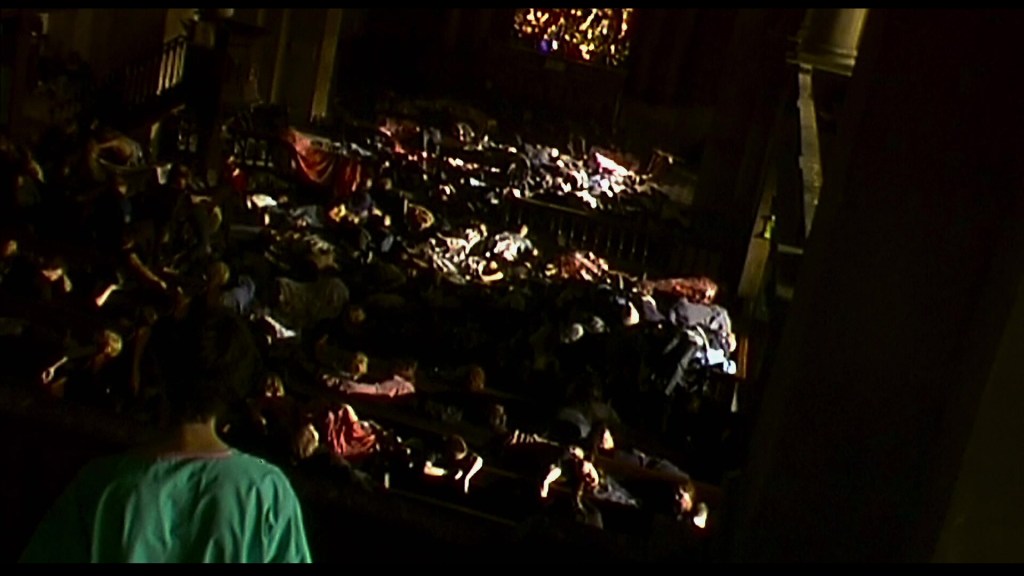
But let’s not forget how scrappy this movie really was. The budget was tiny. The crew had to grab shots in central London at the crack of dawn before traffic showed up. They flipped a double-decker bus and cleaned it up in 20 minutes. They filmed on empty highways using police escorts and took guerilla filmmaking to a whole new level. They ran out of money and had to beg for more to shoot the final ending. The jet that flies overhead near the end? That was a real plane, because a CG one would have cost too much.
28 Days Later was held together with duct tape, ambition, and pure adrenaline. And now it’s being treated like a prestige release. That’s kind of poetic. It doesn’t matter that the image will never be pristine. That’s not what this is about. It’s about honoring a moment in cinema that changed the game. About making the film accessible again. And about seeing how far we can push AI to bridge the gap between rough analog past and slick digital present.
So yeah, forty-three bucks is steep. But for a film that was once lost in distribution hell, built its legend from handheld chaos, and helped bring zombies back from the dead? Maybe it’s worth it just to see what’s possible.
Let’s find out.

 Hollywood After Dark