

Warner Bros. knows exactly what they’re doing. Don’t let the press releases fool you or the nostalgia bait distract you. This reboot isn’t just about “returning to the books” or “bringing the magic to a new generation.” It’s a billion-dollar balancing act, and the studio is treating Harry Potter like a high-stakes spectacle that depends on walking the line between honoring the source material and generating just enough controversy to stay culturally relevant.
And here’s the thing—they didn’t need to. This franchise didn’t require shock casting or viral marketing stunts to succeed. It’s Harry Potter. Even fourteen years after the last film, the brand is thriving. The theme parks are packed, the merchandise is everywhere, and the fandom is still deeply invested. There was no reason to stir the pot—unless that was the point all along.
Casting Paapa Essiedu as Severus Snape was a bold move, and not just because he’s a Black British actor. He’s a brilliant performer with an impressive resume, and under normal circumstances, that should be the end of the conversation. But this isn’t a normal circumstance. Snape is one of the most iconic characters in the series, brought to life by Alan Rickman in a way that left a permanent mark. Any recasting was always going to be scrutinized, but Warner Bros. didn’t just recast—they redefined.
They knew how people would react. They knew this choice would dominate headlines, spark discourse across social media, and kick off another round of debates over race, canon, and “staying true to the books.” They’re not naïve. This isn’t a studio stumbling into controversy. It’s a studio lighting a match and watching to see how bright it burns.
It’s also not just the studio. This was Francesca Gardiner’s pitch. Her vision. Casey Bloys at HBO picked her because she presented a take on the material that felt bold and current. She’s not just doing a job—she’s making a statement. And that’s fair to acknowledge. She’s putting her own creative legacy on the line here, and she clearly wants this version of Harry Potter to reflect the world as it is now, not as it was in 1997. That takes guts. But it also puts the entire production in the middle of a cultural storm that’s already raging.
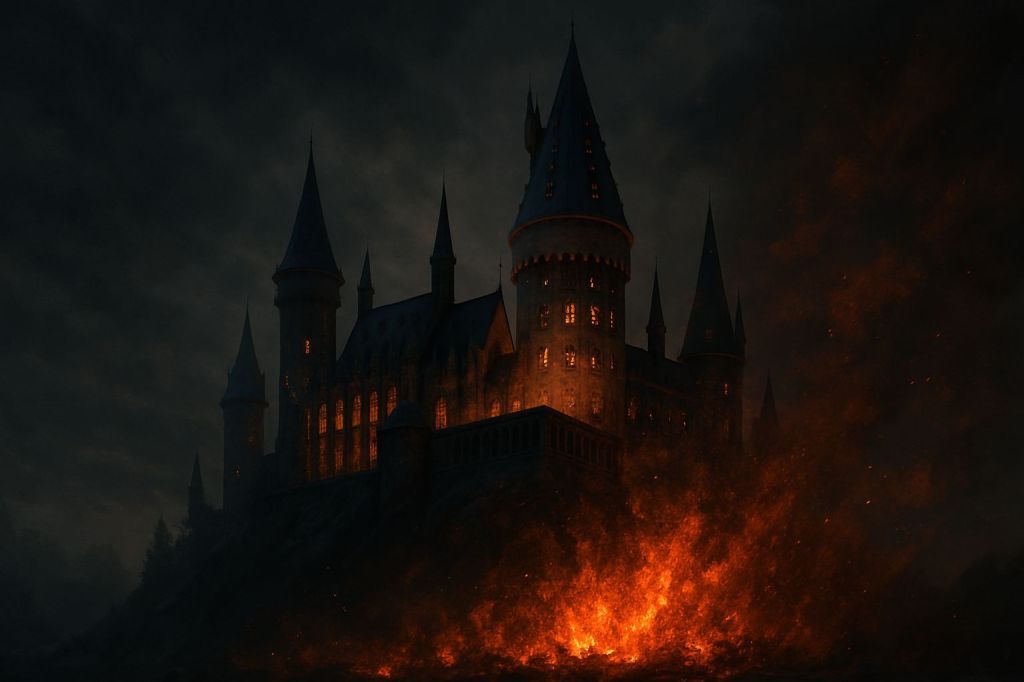
And sitting just offstage is J.K. Rowling, still tweeting, still instigating, still actively engaging in the same culture war that this show is now inevitably a part of. She’s not just the creator—she’s an executive producer, tied directly to the DNA of this reboot. Warner Bros. may want people to separate the art from the artist, but when the artist won’t stop inserting herself into public discourse, it becomes impossible. And when you pair that with strategic casting designed to make a statement, it starts to feel less like a reboot and more like a public relations maneuver.
And let’s not forget—Paapa Essiedu said yes to this role. He knows what Snape means to people. He knows the discourse around the franchise. He’s not being blindsided. He’s a professional stepping into a role that carries tremendous baggage, and he’s doing it anyway. That speaks to his confidence and his craft. But it also means he’ll be in the line of fire, even if he never says a word about any of this.
The show hasn’t even started filming. They haven’t cast Harry, Hermione, or Ron. And yet the online discourse is already on fire. What happens when they cast James Potter? If he’s white and Snape is Black, it opens up a dynamic that risks becoming another flashpoint. If Harry is multiracial, which feels more and more likely, the entire narrative gets recontextualized. These decisions aren’t just creative—they’re social statements. And in the current climate, everything will be interpreted through that lens.
This isn’t happening in a vacuum. This is a time when online culture warriors are ready to pounce, turning any casting decision into content, flooding social media with half-truths and bad-faith outrage. The same grift machine that cashed in on The Little Mermaid, Rings of Power, and Star Wars is already revving its engines for Hogwarts. And that’s the exhausting part. Not the cast. Not the story. The endless, performative outrage cycle that turns every announcement into a battleground.
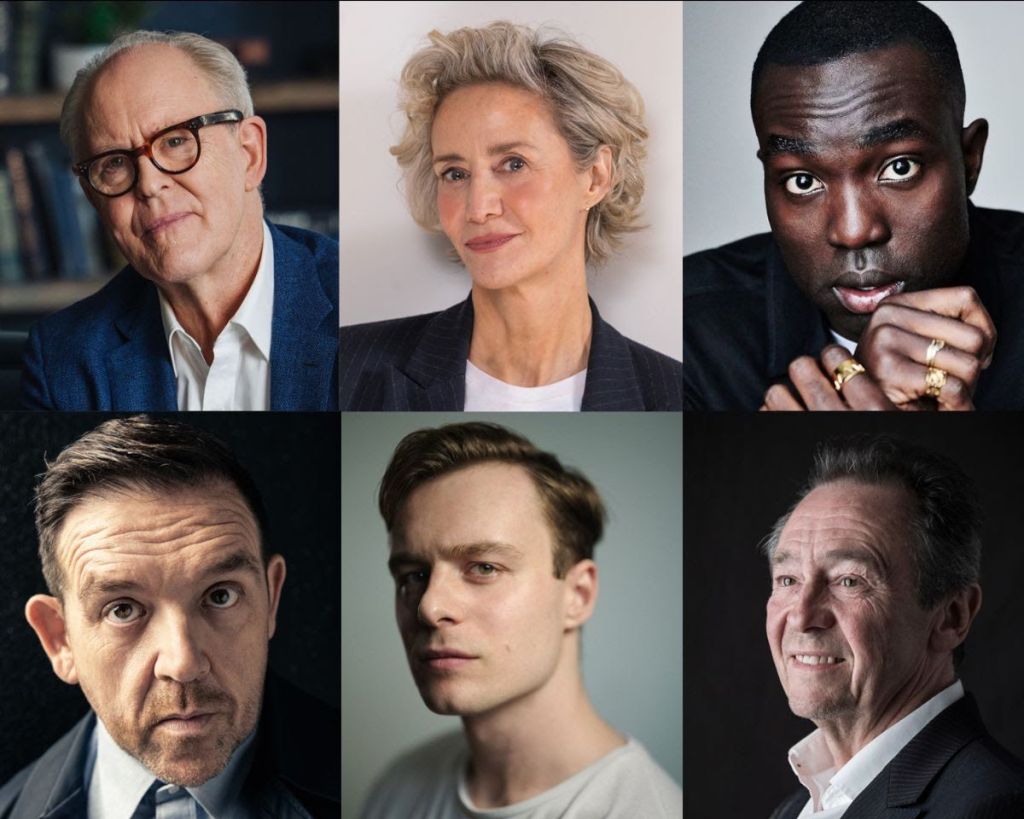
And it’s a shame, because the cast looks promising and Gardiner has real pedigree. She’s worked on Succession, His Dark Materials, and Killing Eve. She knows character-driven drama. She knows nuance. But now she’s not just rebooting a fantasy series. She’s piloting a cultural flashpoint with J.K. Rowling’s shadow looming over every frame.
It’s also not fair to the actors. Paapa Essiedu didn’t sign up to be a political football. But he also wasn’t dragged into this blindly. He took the job knowing what it would mean, and he deserves credit for that. Still, it’s unfortunate that their performances will be filtered through endless discourse about “wokeness” or “race-swapping” instead of whether they’re bringing these characters to life in meaningful ways.
Warner Bros. could have kept it simple. Trust the source material. Let the story breathe. Let the performances speak for themselves. But instead, they’re chasing the fire. They’re making noise. They’re banking on the idea that controversy equals engagement.
Maybe they’re right. Maybe the show will be brilliant and this will all feel like background noise by the time it airs. But if it isn’t—if they stumble even slightly—the backlash could eclipse everything they set out to do.
Because when you play with fire—Goblet or otherwise—you’d better be damn sure you don’t get burned.

 Hollywood After Dark