
The Minecraft movie opened to over 300 million dollars worldwide its first weekend, despite a Rotten Tomatoes score sitting at 48 percent. That’s not just success. That’s dominance. A low-effort cash grab doesn’t rake in a third of a billion dollars in three days. People showed up. Families showed up. Fans showed up. They didn’t care what critics said, because they’ve learned not to.
We saw the same thing in 2023 with The Super Mario Bros. Movie. Critics gave it a polite golf clap at 59 percent. Fans blew it out of the water with a 95 percent audience score and nearly 1.4 billion dollars at the box office. It became the highest-grossing video game movie of all time. And all the thinkpieces about how it was too shallow or not cinematic enough couldn’t stop it from becoming a global phenomenon.
Now compare that to Borderlands, which came out in 2024. It had the kind of buzz a genre movie would kill for. A-list cast, massive fanbase, and a studio that clearly hoped it would launch a franchise. But it crashed and burned. Critics were just as dismissive, but this time, audiences didn’t bother to show up either. That’s the difference. Mario and Minecraft connected with people. Borderlands didn’t. And maybe that’s the part critics still don’t get. You can’t fake sincerity.
What’s become obvious is that critics don’t just miss the mark when it comes to these kinds of movies. They’re actively out of step with the culture. It’s not just that they’re trained to look at film through a narrow lens. It’s that their version of training is a kind of trial by fire. Years of endless screenings, discourse cycles, and industry access have forged this little circle of tastemakers who see hundreds of movies a year and still somehow manage to be bored by joy.
That process doesn’t produce curiosity. It produces cynicism. And cynicism is poison to movies like Minecraft or Mario, which thrive on fun, nostalgia, and accessibility. These films aren’t designed to provoke existential dread or win awards. They’re made for people who love games. Who grew up with them. Who want to take their kids and share that feeling on the big screen. And when critics dismiss those movies outright or write them off as brainless IP content, what they’re really doing is mocking the people who love them.
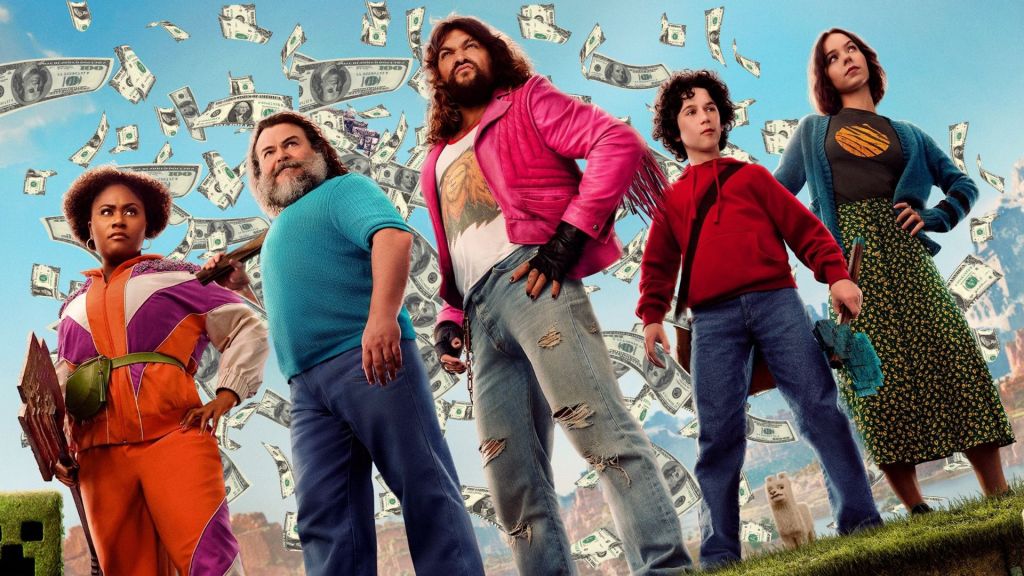
A lot of critics like to act like they’re punching up at the studios. But they’re not. They’re punching down at audiences. They’ll rail against the latest family blockbuster for being derivative while giving some indie dirge a pass because it’s bleak and “meaningful.” It’s not hard to see why people stop caring what they have to say.
Part of the problem is where critics live. Not physically, though that matters too. Most critics are holed up in cultural hotspots like New York or Los Angeles, places that operate on their own wavelength. There’s nothing wrong with that, but it comes with blind spots. These critics aren’t spending Friday night at an AMC in Kansas City with three kids hopped up on fruit punch and popcorn. They’re not thinking about what kind of movie brings people together in Topeka or Boise or Tallahassee. They live in a bubble and talk to each other. They write for each other. And after a while, the only voices they seem to respect are their own.
It’s no wonder they look at something like Minecraft and don’t get it. They were never going to. It wasn’t made for them. It was made for the millions of people who’ve spent over a decade building worlds, fighting off creepers, and sharing that experience with their friends. It’s not a movie for people who think a three-act structure is sacred. It’s a movie for people who think joy is sacred.
That’s the core disconnect. Critics want movies to challenge them. Audiences want movies to entertain them. And sometimes those things overlap. The Last of Us proved that. It was thoughtful, emotional, grounded in character and world, and still deeply faithful to the game. Critics liked it. Fans loved it. But that kind of harmony is rare.
Most of the time, critics aren’t interested in meeting the audience where they are. They want the audience to come to them. To agree with their taste. To validate their opinions. And when that doesn’t happen, when a movie they dismissed becomes a massive hit, they don’t self-reflect. They double down. They retreat into the same tired talking points about how standards are slipping and studios are catering to the lowest common denominator.
But here’s the thing. The lowest common denominator is still the majority. And the majority is tired of being talked down to.
Audiences don’t need critics to tell them what’s fun. They don’t need them to validate what resonates. If anything, they’ve learned that when critics hate something, it might actually be worth checking out. And that’s not a healthy relationship.
Movies like Minecraft and Mario don’t need critical approval. They’ve got something better. They’ve got people. Real people. Families. Kids. Gamers. People who actually show up.
And right now, showing up speaks louder than any review ever could.

 Hollywood After Dark