

Robert Pattinson may be heading to Arrakis, but that doesn’t necessarily mean Gotham is off the table—at least not yet. According to The Hollywood Reporter, Pattinson is being eyed for the role of Scytale in Denis Villeneuve’s Dune: Messiah, with some insiders claiming a deal is close or already done. Initial concern spread quickly among fans that this would directly conflict with his role in The Batman: Part II, but Deadline’s Justin Kroll recently clarified the situation on Twitter. He explained that Dune: Messiah, like The Odyssey, is an ensemble film where Pattinson could complete his part on a relatively tight schedule, leaving the door open for Batman 2 whenever that production finally starts.
But that “whenever” is the problem. The Batman: Part II has been slipping for years. It was supposed to start filming in 2024. Then it moved to 2025. Then the release date was bumped from 2025 to 2026. Now it sits at October 1, 2027. And even with Pattinson’s schedule possibly manageable, there’s still no finished script, no official production window, and—more importantly—no visible urgency from the studio to make it happen.
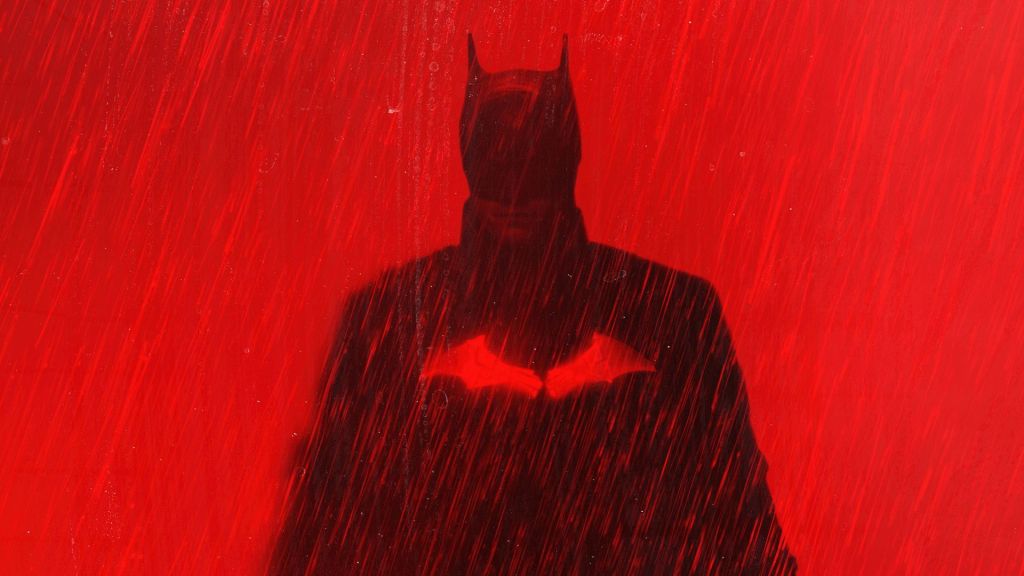
Which brings us back to a theory that’s starting to feel less speculative by the day: maybe DC Studios is letting The Batman franchise slowly die on purpose.
When The Batman dropped in 2022, it was a creative and commercial win. Matt Reeves delivered a grounded, rain-soaked Gotham that felt like it crawled out of a David Fincher movie, and Pattinson’s emotionally shut-down Bruce Wayne struck a chord with audiences. The film earned $772 million globally and was hailed as one of the most unique takes on the character in decades. Then The Penguin followed, and critics are already calling it a knockout—a smart, stylish crime series with Emmy potential. So why does it feel like this whole universe is getting pushed aside?
Simple. Because it’s not James Gunn’s.
In late 2022, Warner Bros. Discovery put Gunn and Peter Safran in charge of DC Studios to fix a broken, aimless franchise. Gunn’s goal: create a single, unified cinematic universe. One timeline. One set of characters. One voice. And to his credit, he’s sticking to it—even when it means reshuffling or rewriting existing projects. Peacemaker, for example, is now being retooled to fit into the new DCU canon. Gunn is keeping his characters, but adjusting them to match his larger vision. He’s bringing his toys into the new toy box.
But Matt Reeves? He’s playing in the Elseworlds sandbox. And it seems like nobody wants to go over there anymore.
Let’s be real—Elseworlds works in comics. Hardcore fans can juggle alternate Earths and disconnected timelines. But theatrically? It doesn’t track. Most audiences don’t follow every trade announcement or studio update. They just know Batman is Batman. And when you’ve got one Batman movie in development under Matt Reeves, and another in pre-production (The Brave and the Bold) for Gunn’s DCU, you’re setting the stage for brand confusion. People aren’t going to split the difference. They’re going to tune out.
And that’s the core of it. Connectivity is currency now. Marvel trained general audiences to expect stories that feed into a bigger picture. Even when the stories themselves are weak, people still show up because they feel like it matters. They don’t want to waste time. They want value—and value in this landscape means continuity.
So when the Penguin series is a smash, when The Batman still has massive fan support, and when the sequel keeps getting shoved further down the calendar, the message isn’t subtle. It’s studio speak for “we’re just not prioritizing this anymore.” Maybe Gunn isn’t canceling Reeves outright, but the lack of support says plenty. Because if he can make Peacemaker work in his new universe, despite it being born out of the old one, then he could make The Batman fit too. He’s just not choosing to. And he doesn’t have to. He’s the one in charge. He gets to decide what counts.
Which brings us to the uncomfortable truth: sometimes great stories have to get sacrificed for a clean slate. That’s the cost of building a long-term brand. Gunn might genuinely like The Batman. He might respect Reeves’ work. But if it stands in the way of creating one cohesive DCU, then it becomes a casualty of progress. Or as Ozymandias from Watchmen would put it: “I did it thirty-five minutes ago.” The decision’s already been made. The bomb’s already been dropped.
And look, I get it. It’s easier to sell one Batman. It’s cheaper to market one universe. It’s cleaner to build a brand with a single version of every character. But it still stings when one of the best takes on Batman in years gets slowly sidelined—not because it failed, but because it succeeded too well at the wrong time.
So no, The Batman: Part II isn’t dead. Not officially. But when even your lead actor is circling blockbuster roles in other franchises, and your showrunner is busy reshaping his own creations for the new canon, it’s hard not to feel like the clock is running out.
Because in this business, you don’t have to cancel something to kill it. You just need to wait long enough for people to stop asking when it’s coming back.

 Hollywood After Dark