
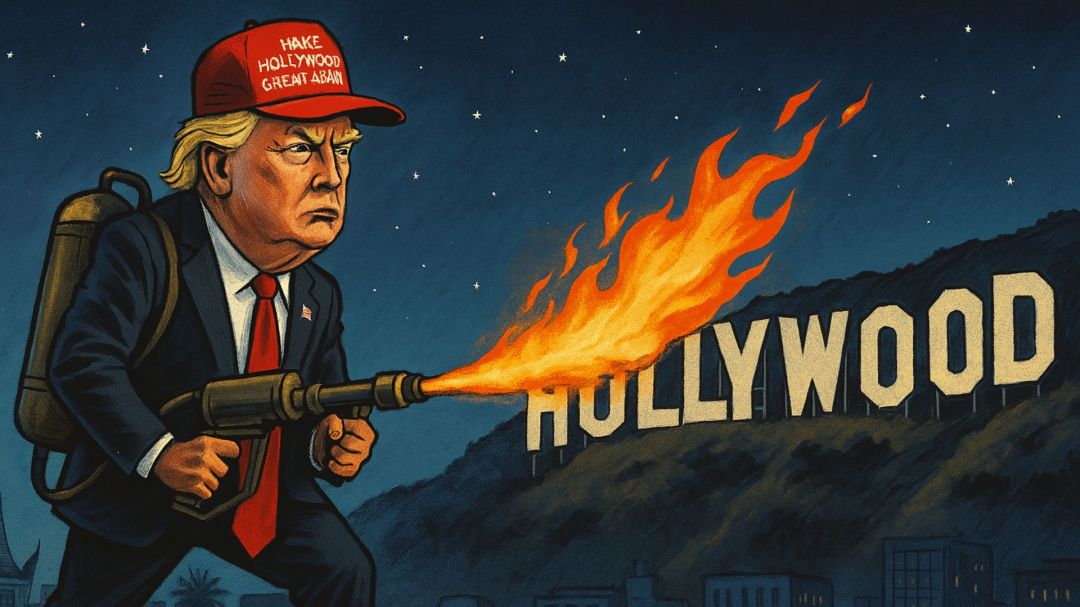
Something strange is happening between Hollywood and China, and it’s starting to feel less like business and more like a warning shot. No official ban has been issued, no grand statement handed down from the Chinese government. But whispers have started bubbling up from people close to the top—industry insiders and influential voices making it very clear that some of 2025’s biggest American films might not be welcome in Chinese theaters. It’s not subtle. And it’s not just about the movies.
The elephant in the room is Donald Trump and his tariffs.
Trump, now in his second term, has reignited the trade war with China in a big way. After slapping a blanket 60% tariff on Chinese goods, Beijing fired back with its own wave of retaliatory measures—including a 34% import tax on U.S. products. And buried under all the headlines about tech and agriculture is something a lot more cultural: China might be pulling back on allowing Hollywood films into its market. Not because of censorship, but because it sends a message. If Trump is going to make it harder for Chinese products to reach American consumers, China can just as easily block U.S. culture from reaching theirs.
And let’s not pretend Hollywood doesn’t care about that. They care. A lot.
For the past decade, China has become a crucial part of the global box office equation. Studios have tailored content specifically to play well over there—sometimes even shooting alternate versions of scenes to meet censorship standards. Because when a movie pulls in an extra $150 or $200 million from a Chinese release, that can be the difference between a hit and a disappointment. And now, that entire pipeline might be on the chopping block.
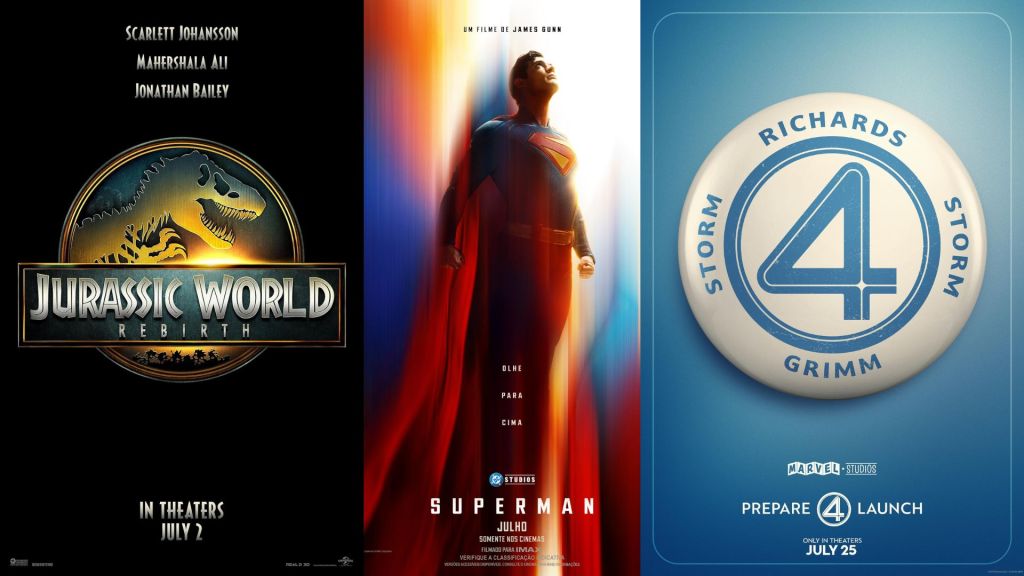
We’re not just talking about small studio fare either. We’re talking Avatar 3, Superman, Fantastic Four, Mission: Impossible – Dead Reckoning Part Two. Big tentpole movies with ballooning budgets that rely on every international dollar they can get. Avatar: The Way of Water made over $240 million in China alone. That’s not pocket change. That’s franchise-saving cash.
So when influential Chinese film groups start hinting that upcoming American movies may not pass import approval—especially ones with high potential in the Chinese market—it doesn’t feel like coincidence. It feels strategic. A quiet way of saying, “we’re watching what your government is doing, and we’re not going to sit on our hands.”
And here’s where things get messy.
The film industry, already stretched thin from the streaming wars and 2023’s double strike, can’t really afford to lose a major international market. Budgets have ballooned, expectations have risen, and the cost of doing business keeps going up. Now imagine studios having to recalibrate their entire global release strategy because one of the most lucrative territories is suddenly a no-go.
This could hurt Disney’s superhero resurgence. It could tank what’s supposed to be James Gunn’s big relaunch of DC. And it could absolutely kneecap any chance of Avatar 3 matching the wild success of its predecessors. These aren’t indie dramas hoping for a limited overseas run. These are billion-dollar bets.
Of course, none of this has been made official. China hasn’t declared an outright ban. But that’s the point. It’s all quiet. Strategic. Controlled. No need for a press release when a few key decisions behind closed doors can change the game. One denied import license here. One “scheduling delay” there. Before you know it, half a year’s worth of American blockbusters vanish from Chinese theaters—and there’s no easy way to fix it.
It also puts Hollywood in a weird position. The industry doesn’t want to anger China, but they also can’t publicly criticize a sitting U.S. president—especially one known for holding grudges. Studios are caught between two global superpowers playing economic hardball, and they’re the ones left sweating in the middle.

What’s wild is that it didn’t have to come to this.
Trump’s tariff escalation was a choice. A political play. And while his supporters may cheer on the tough talk about bringing jobs home, they’re not the ones trying to sell Fantastic Four to a global audience. They’re not the ones counting on Chinese screens to push a film into profitability. The impact of these tariffs goes way beyond soybean prices. It’s cultural. It’s economic. And it’s going to ripple through every theater screen from Shanghai to San Diego.
We’re watching a power shift unfold in real time. If China follows through and starts blocking U.S. films—not with grand declarations, but with small, deliberate choices—it could reshape how American movies are made and where they’re marketed. That’s not a prediction. That’s a real possibility.
And the worst part? Most audiences won’t even notice. They’ll still get their Marvel movies, their sci-fi sequels, and their summer spectacle. But the studios will notice. The investors will notice. And the people making those big decisions about what gets greenlit next will definitely notice.
Because it turns out when you politicize trade policy to score points at home, you might end up killing your own cash cows abroad.

 Hollywood After Dark