
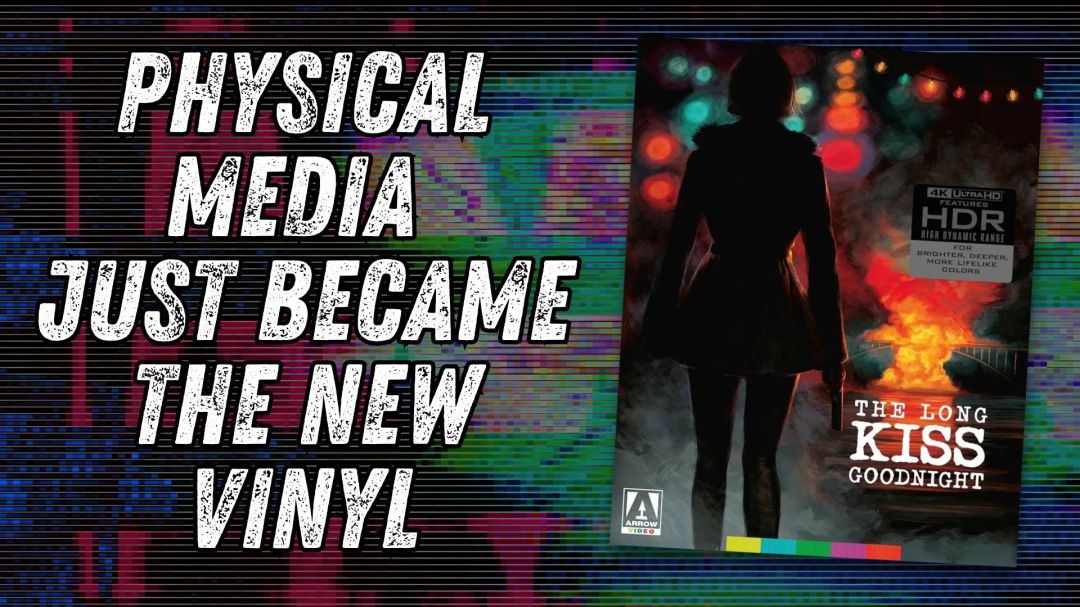
There’s something quietly apocalyptic about watching the movie section at your local big-box store shrink year after year. What used to be a couple aisles packed with DVDs and Blu-rays is now a sad little endcap tucked between seasonal socks and discount phone chargers. Best Buy already walked away. Target barely pretends to care anymore. Even Barnes & Noble, home of the legendary Criterion sale, feels more like a boutique museum than a place where regular people buy movies.
But somehow, Walmart is still standing.
Actually, more than standing. It’s thriving in its own weird way. In 2025, Walmart has become the last real stronghold of physical media. It’s not just bargain-bin DVDs either. They’re still stocking 4K releases, limited edition Steelbooks, and store-exclusive slipcovers. One aisle over from the diapers and frozen pizza, you might find a glossy collector’s edition of Dirty Harry or The Exorcist III tucked in a locked case like it’s fine jewelry.
Physical media sales are down. That’s not news. The market dropped over 20 percent last year, and streaming has devoured the casual buyer. But the folks who are still here aren’t just holding out. They’re investing. For collectors, it’s not just about watching the movie. It’s about owning it. It’s about knowing no studio can yank it away because of licensing issues. It’s about the shelf, the artwork, the little dopamine hit of unwrapping a new disc and admiring the embossing on the cover.
Steelbooks have become the vinyl records of home video. Glossy metal cases, alternate artwork, short print runs. It’s physical media with a side of bragging rights. Studios have figured out that if they’re only going to sell a fraction of what they used to, they may as well sell it for three times the price to people who care. Walmart is one of the last retailers giving those collectors a place to shop without going online.
But this boutique approach comes with a downside. If you’re not in the collector scene, you’re paying a premium for movies that used to be ten bucks at the grocery store. A basic Blu-ray of a popular title might not even get a wide release anymore unless it’s wrapped in exclusive packaging or dropped by a specialty label. If you miss a preorder, it’s gone. And when it comes back, it’ll cost double on the resale market.
That’s where secondhand stores step in. Half Price Books, Disc Replay, and local thrift shops have become sanctuaries for physical media hunters. But they’re changing too. The folks stocking the shelves have started doing their homework. Horror and sci-fi titles get marked up because they’re in demand. Out-of-print comedies suddenly have collector value. The dusty five-dollar shelf still exists, but the goldmine of cheap gems is getting harder to find.
Still, there’s something comforting about flipping through a rack of used movies. It feels more real than scrolling through endless rows of thumbnails on a streaming app. There’s no algorithm, no autoplay. Just you, a shelf, and the thrill of discovery.
The wildest part is that DVDs still outsell Blu-ray and 4K. It sounds absurd, but it makes sense. DVDs are cheap. They work in old players. For the average person, that’s enough. Not everyone cares about HDR or Atmos sound. They just want to watch a movie without buffering or subscriptions.
That divide between the casual viewer and the collector has never been wider. Streaming owns one side. Physical media has retreated into the other, becoming a premium product for people who treat it like a hobby. For some, it’s about nostalgia. For others, it’s about preservation. And for a growing number, it’s about not trusting digital access as a long-term solution.
We’re in a strange moment. For collectors, it’s a mini golden age. Boutique labels are remastering lost gems, foreign cuts are getting proper releases, and communities are forming around what used to be a solo experience. But it’s also more expensive, more competitive, and more stressful. You have to know when things go on sale, where to preorder, what’s out of print, and what’s coming back. You have to stay in the loop or you’ll miss out.
Physical media hasn’t died. It just evolved. It’s smaller now, more curated, and a lot more personal. Walmart, weirdly enough, is part of that evolution. So are the thrift stores, the collector groups, the boutique publishers, and the fans still making YouTube videos about the latest restoration of a movie you’ve never heard of.
There’s still a lot of love out there for owning movies. You just have to know where to look.

 Hollywood After Dark