

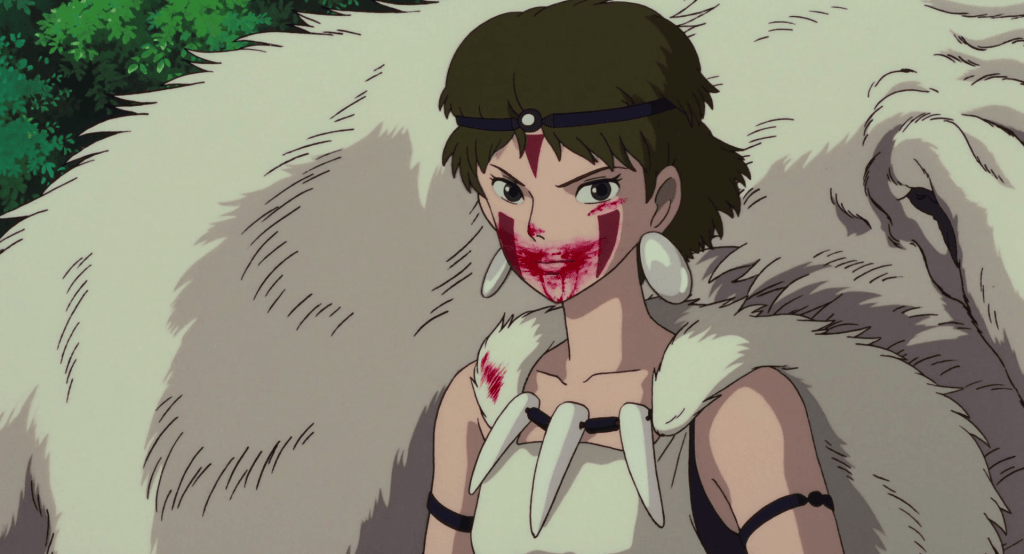
When Princess Mononoke hit IMAX screens in a new 4K restoration, it felt like a gift. A chance to see one of Studio Ghibli’s greatest achievements the way it was always meant to be experienced: big, loud, and breathtaking. And despite only playing in a limited number of theaters, it crushed expectations, pulling in over $4 million on just 347 IMAX screens. To put that into perspective, that’s nearly a quarter of what the film made in total during its original U.S. run 25 years ago.
Now let’s talk about the elephant in the animation studio—the AI-generated Ghibli-style meme explosion that took over the internet right before this re-release. You know the ones. People using OpenAI’s image tools to turn their selfies or random prompts into gorgeous, dreamlike stills that look like they came straight out of a Miyazaki film. For a solid few days, your feed probably looked like a digital mood board curated by Totoro himself. Everyone was in on the joke. And the style? Unmistakable. Warm, painterly, nostalgic. Or at least, it looked that way.
Artists weren’t thrilled. Understandably so. To them, Studio Ghibli is sacred ground. Hayao Miyazaki is the high priest of hand-drawn storytelling, and here comes AI rolling in with its algorithmic brushstrokes, churning out a thousand imitations overnight. It felt like sacrilege. Like watching someone photocopy a Monet and call it a masterpiece. There were takes, there were quote tweets, and there was that resurfaced Miyazaki clip where he calls AI-generated animation “an insult to life itself.” Not exactly subtle.
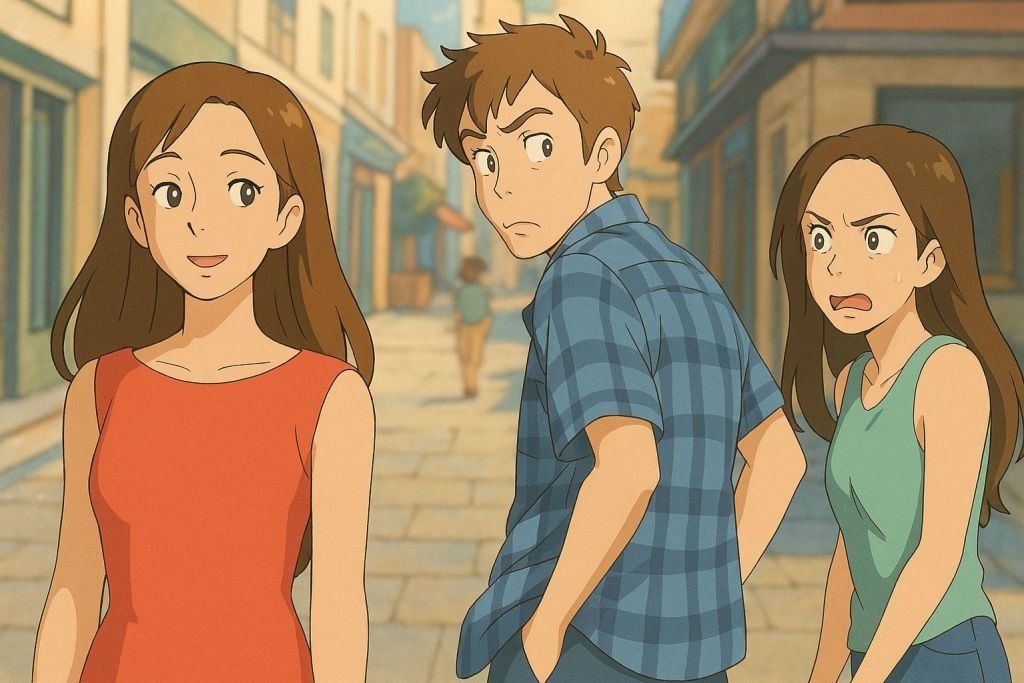
But here’s the thing: those memes didn’t just go viral for the sake of being funny or whimsical. They got people curious. Curious about the art, the aesthetic, where it came from, and what inspired it. For a lot of folks, that curiosity led them straight to Ghibli. Which, conveniently, had one of its greatest films playing in theaters that week.
The meme trend and the Princess Mononoke re-release didn’t coordinate their timing, but you couldn’t ask for better synergy. People suddenly had Ghibli on the brain, and then—boom—there’s a theatrical release right in front of them. It reminded people, especially those who maybe only knew of Totoro through merchandise or Spirited Away from a Tumblr gifset, that these movies are real, available, and stunning on the big screen.
GKIDS, the North American distributor for Ghibli’s catalog, gave a polite nod to the trend without directly addressing it. Chance Huskey, their VP of Distribution, said, “In a time when technology tries to replicate humanity, we are thrilled that audiences value a theatrical experience that respects and celebrates Hayao Miyazaki and Studio Ghibli’s masterpiece in all its cinematic hand-drawn glory.” It’s a classy statement. One that gently reinforces the value of the human touch without throwing shade directly at the AI stuff.
And that’s fine. It doesn’t need to be a war. Because here’s the truth a lot of people might not want to admit: the memes probably helped. That $4 million box office haul didn’t come out of nowhere. People don’t just wake up one day and decide to go see a decades-old anime film in IMAX without something sparking their interest. The memes didn’t just entertain. They built awareness.
We live in an age where virality moves the needle. A song can chart because of a TikTok trend. A movie can find a second life because someone made a good meme. That kind of organic attention is hard to buy and harder to manufacture. The Ghibli meme trend, for all its flaws and weirdness, was undeniably a cultural moment. One that pulled focus toward a very real, very human-made work of art.
It’s fair to be protective of the craft. Animation is labor. It’s love. And the people who bring these films to life deserve to be respected, not replaced. But maybe this is one of those rare moments where the imitation didn’t cheapen the original—it elevated it. The AI art sparked conversation. The conversation brought attention. And the attention turned into ticket sales.
People showed up. They watched Mononoke in IMAX. They fell in love with something authentic, something handmade. That’s not a defeat. That’s a win.
So maybe GKIDS and Studio Ghibli don’t need to issue a thank-you note to OpenAI. But they might quietly raise a glass to the fact that, for a brief moment, the internet was obsessed with Ghibli again. Even if it started with memes.
Because at the end of the day, nothing beats the real thing.

 Hollywood After Dark