
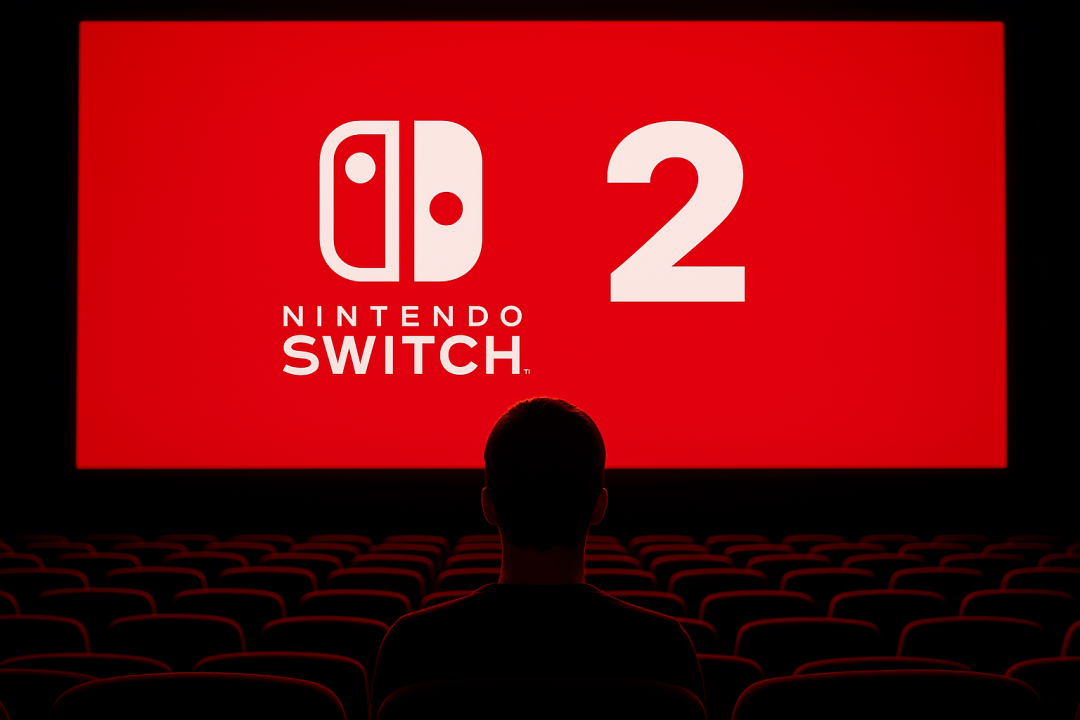

I don’t want to sound like an old man yelling at clouds, but it’s getting harder to ignore the feeling that the entertainment world is slowly pricing out the very people who kept it alive in the first place. You know, the regular folks: the families, the broke college kids, the underpaid workers who just want a couple hours of escapism without having to apply for a loan.
Let’s start with Nintendo.
The long-rumored Switch 2 was officially announced, and the base model is clocking in at $450. If you want the bundle that includes Mario Kart World, you’re looking at $500, which saves you $30 off the standalone cost of the game… because Mario Kart World is now $80. Yes. Eighty dollars. For a Mario Kart game. Not a deluxe edition, not a steelbook collector’s version—just the standard game. The message is loud and clear: Nintendo’s not aiming for the family-friendly crowd anymore. They’re targeting the diehards, the collectors, the folks willing to drop half a grand without blinking.
Yeah, Tears of the Kingdom got away with a $70 price tag, but that was a massive open-world game with hundreds of hours of content. Mario Kart is a party racer. It’s meant to be the most accessible, broadly appealing game in Nintendo’s catalog. Now it’s a premium product with a premium price tag. The charm’s still there, but the accessibility? Not so much.
Nintendo used to be the safe buy. The console you grabbed for your kids without worrying about your wallet. Now, it feels like they’re leaning into a luxury-tier experience, just like the rest of the entertainment world.
And nowhere is that shift more obvious than in movie theaters.
Once upon a time, going to the movies was a weekly ritual. Five bucks for a matinee. Popcorn that didn’t require a second mortgage. It was cheap, it was communal, it was magic. Now? That same experience comes with leather recliners, Dolby Atmos sound, and a full cocktail menu, and a ticket price that makes you question your life choices at the register. We’re not going to the movies anymore; we’re attending premium cinematic experiences. And if you can’t afford to fork over $20 a head, well, maybe the theater just isn’t for you anymore.
At CinemaCon this year, the message was crystal clear: theaters are chasing high rollers. Regal is spending $250 million on upgrades like luxury recliners, digital enhancements, and more, part of a wider $2.2 billion industry effort to make theaters more “competitive.” Meanwhile, attendance at Disneyland still hasn’t fully recovered, even as profits rise. And why would it? You practically need to finance a trip to afford it now.
Theaters are also making a push to keep movies on the big screen longer. It’s not the studios driving this. It’s the exhibitors themselves. The CEO of AMC even mentioned he spoke with three unnamed studio heads who support expanding theatrical windows. The goal, of course, is to force audiences back into the habit of seeing movies in theaters before they’re allowed to stream. But there’s a problem: audiences aren’t exactly playing along.
Sure, Captain America: Brave New World did decent numbers. But for every win, there’s a high-profile bellyflop like Mickey 17 or Snow White. And when your movie flops after demanding $25 per ticket, audiences don’t feel bad for you. They just stop showing up.
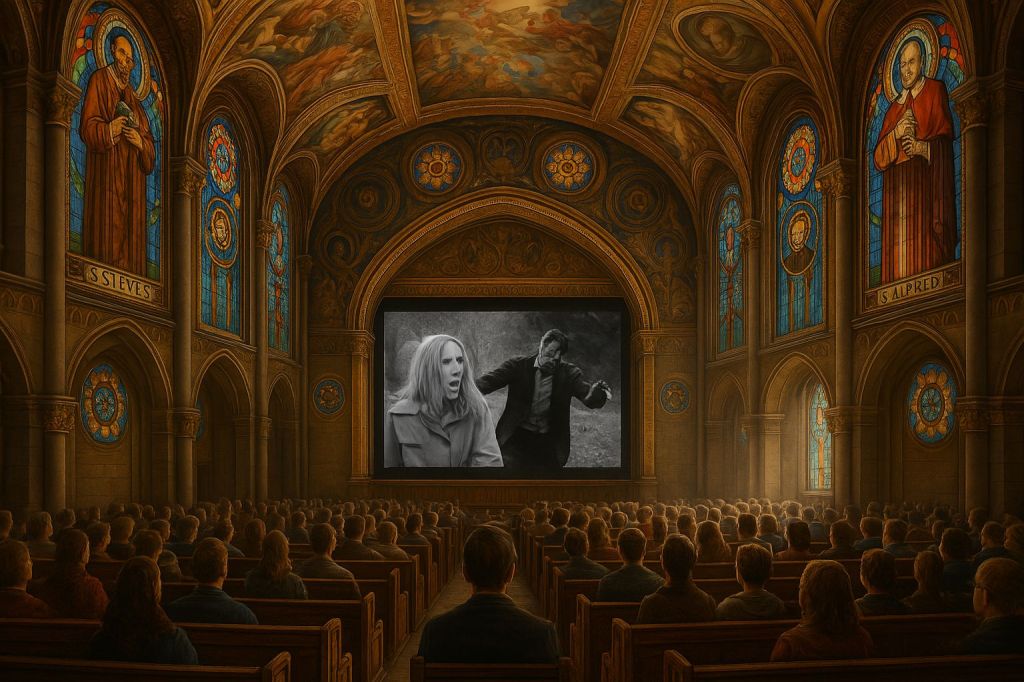
Theaters are focusing on building cathedrals to cinema, but they’re forgetting the soul. It was never about the chairs or the screen size. It was about the movies. Good stories. Big emotions. Laughs and gasps and gut punches. And all of that is harder to deliver when half the industry is still crawling out of the production chaos caused by the writers’ and actors’ strikes.
Add to that the latest economic curveball: Trump’s so-called “Liberation Day” tariffs, and things aren’t looking any cheaper anytime soon. Starting April 5, a 10% tariff hits all imports, with even higher rates for goods from China, the EU, and Japan. Translation: electronics, consoles, film gear, theater hardware, even merch—it’s all going up. And guess who eats that cost? Not the companies. Us.
Meanwhile, Universal has been quietly thriving with PVOD. Ever since Trolls World Tour kickstarted the trend, they’ve pulled in $1.5 billion in premium digital rentals. People are fine staying home. They’ve got soundbars, 4K TVs, blackout curtains, and air fryers. Why fight traffic and parking and overpriced snacks when you can hit “rent” on your couch?
Here’s the uncomfortable truth: both Nintendo and the movie theater industry are making it clear that if you can’t afford the upgraded experience, you’re not the target anymore. And that’s dangerous. Because once you lose the working class—the families, the budget-conscious fans, the average consumer who just wants a little joy—you lose your cultural footprint. You become a niche. A lifestyle brand. A luxury.
And that’s not sustainable.
I’m not saying we need to rewind the clock to the $5 matinee days or demand $40 consoles again. But there has to be a middle ground. A space where entertainment is still accessible to the people who built it. Because if we keep heading in this direction—$80 games, $25 tickets, $18 popcorn—we’re going to end up with two separate entertainment industries: one for the rich, and one for everyone else. And let’s be real, the version for “everyone else” is going to suck.

 Hollywood After Dark