
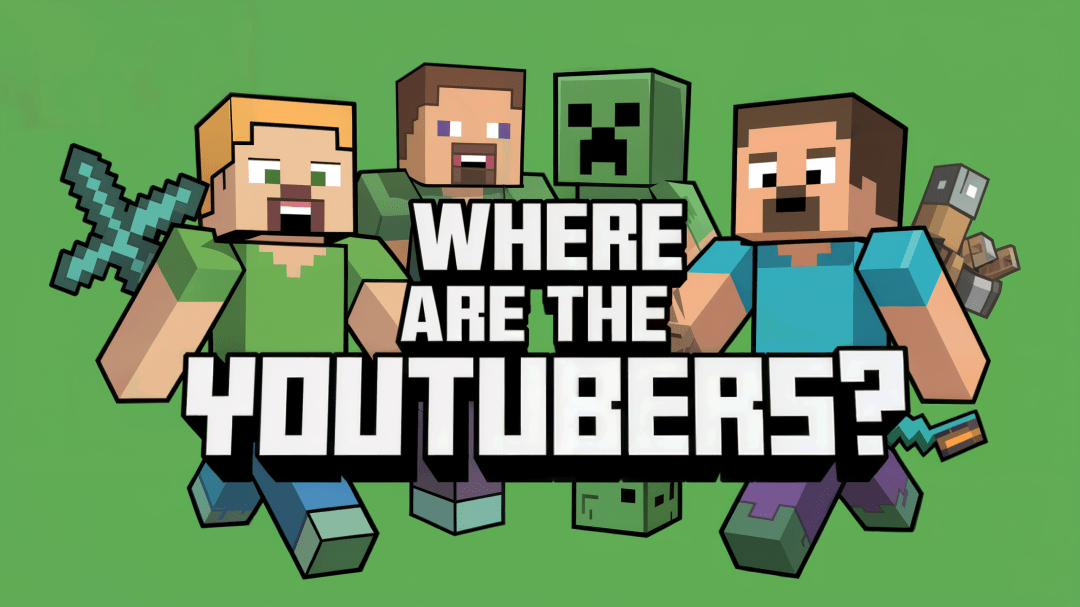
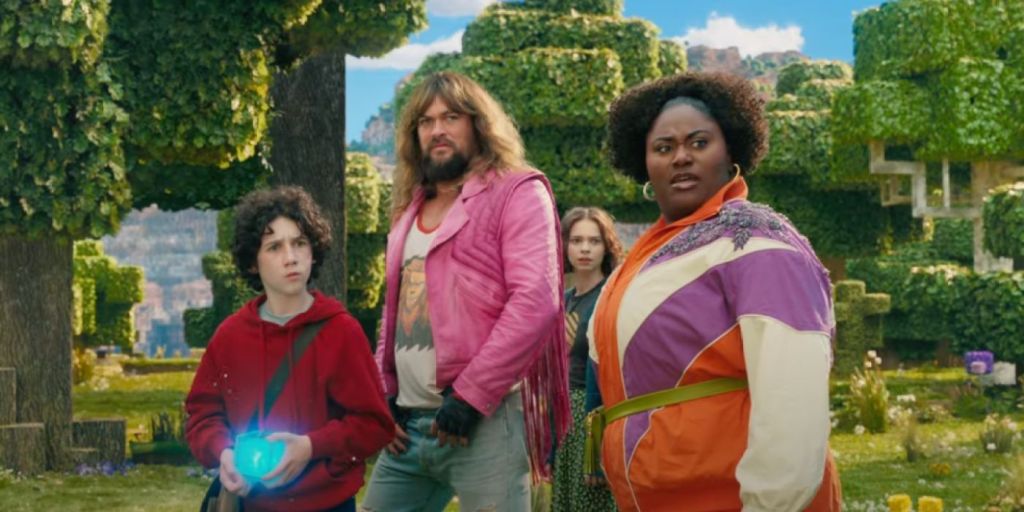
The Minecraft movie is finally hitting theaters, and on paper, it looks like a win. A projected $140 million global opening weekend, $65 million of that from the U.S. alone. That’s a solid launch for any film. But considering this is Minecraft we’re talking about—the most successful video game of all time—it feels strangely muted. For a brand that has defined a generation of players, YouTubers, and cultural moments, this should be a cultural event. Instead, it feels like something closer to a footnote.
This movie has had one of the longest, strangest journeys to the screen of any video game adaptation ever attempted. Warner Bros. first announced the project back in 2014. That was when Steve Carell was in talks to star, when Mojang was still freshly acquired by Microsoft, and when The Lego Movie had just proved that gaming-adjacent IPs could absolutely kill at the box office. Then it all fell apart. Shawn Levy came and went. Rob McElhenney came and went. Peter Sollett came and went. Dozens of screenwriters cycled through. Scripts were rewritten, thrown out, rewritten again. Budgets changed. Release dates shifted. At one point, the project was so off the radar that it may as well have been dead. Then Jared Hess of Napoleon Dynamite fame was brought in to salvage it. What he delivered was a goofy, low-stakes, live-action take that leans hard into absurdity and self-aware humor. Critics are calling it stupid fun. Some viewers say it’s hilarious. Others say it’s completely off the rails in the worst way. And that’s probably the most accurate description of the entire production history—fun, frustrating, chaotic, and maybe not worth the wait.
But the real story isn’t just about the movie. It’s about who isn’t talking about the movie.
The Minecraft YouTube community, which helped build this brand into a cultural juggernaut, is eerily quiet. These people who shaped how generations of kids understand this game. Some of them have cameos in the movie. That alone should have been enough to ignite social media with excitement. But it didn’t. DanTDM posted a short video about his cameo and moved on. Nobody else seems to be promoting it. No reviews. No reactions. No hype. It’s like it doesn’t exist.
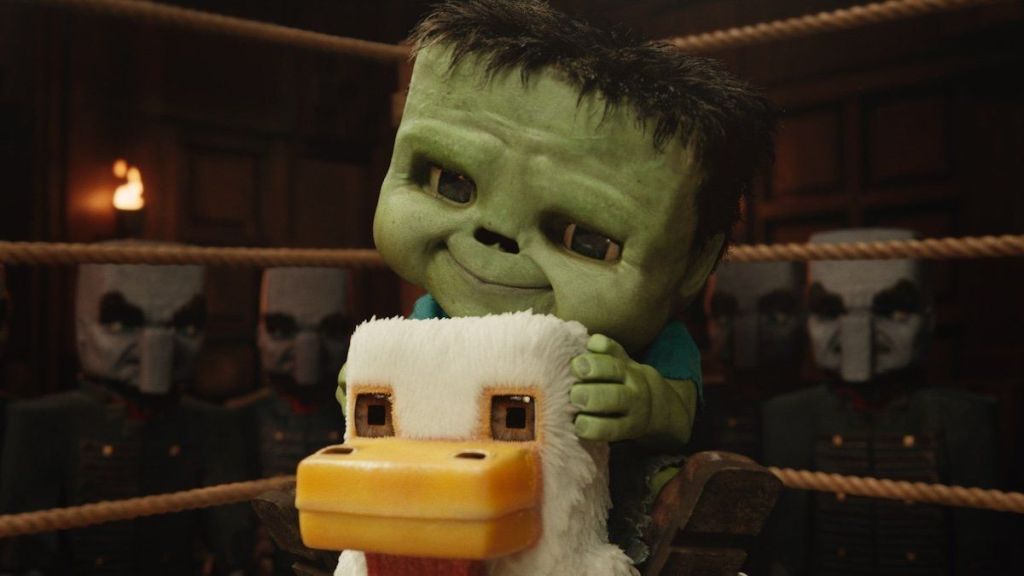
So what happened? Why would Warner Bros. choose not to activate the community that practically carried Minecraft into mainstream consciousness? Why would creators—who have made entire careers off of this game—not seize the opportunity to ride the wave of a major theatrical release?
Part of the answer might be the community itself. The Minecraft creator scene has been plagued by controversy for years. Dream has faced several public scandals. SkyDoesMinecraft flamed out after a wave of backlash. LionMaker was hit with serious allegations. And others have faced everything from bad PR to criminal charges. It’s messy. It’s ugly. And if you’re a studio spending over $100 million on a movie, maybe you just decide it’s not worth the risk. You don’t want to endorse someone who might end up in the headlines for all the wrong reasons.
Still, there are creators with clean reputations, huge audiences, and a proven ability to move the needle. DanTDM alone has tens of millions of subscribers. Aphmau commands a massive fanbase. Even if the studio was cautious, there’s no obvious reason not to involve them more—unless the relationship between the brand and the community is already fractured. Which might be the case. And if it is, then maybe this movie is exposing something bigger.
Maybe Minecraft’s identity crisis is finally catching up to it.
Unlike something like The Last of Us, which had a strong story to adapt, or The Super Mario Bros. Movie, which leaned into its iconic style and tone, Minecraft has never been about narrative. It’s about freedom. Exploration. Creative control. You make your own story. That’s the whole point. And trying to pin that down into a single cinematic experience means choosing one vision over millions. It’s inherently limiting.
Jared Hess tried to sidestep that by going all in on weird comedy. It’s not trying to be a definitive Minecraft tale. It’s just a tale. And maybe that’s fine. But that creative choice also means the film isn’t grounded in what most players associate with the game. No redstone logic. No iconic builds. No server culture. No mods. It’s Minecraft in name and in visuals, but not in spirit.
And that disconnect might explain why it’s tracking well financially but landing with such a collective shrug. A Minecraft movie should be a billion-dollar cultural moment. Venom opened bigger than this. Joker opened bigger than this. Those are edgy comic book movies with R ratings. Minecraft is global, kid-friendly, and beloved. But it’s arriving with less heat than it should have, and a huge part of that is because it’s missing its most powerful allies.
This wasn’t just a missed marketing opportunity. It might be a symptom of a deeper issue. The Minecraft YouTube community has become both a powerful force and a liability. It’s unpredictable. It’s passionate. And yes, it’s sometimes toxic. But it’s also where the audience lives. And ignoring that community—whether by choice or by necessity—leaves this movie floating in the void.
You can’t make a Minecraft movie without Minecraft’s soul. You can make something that looks like the game. You can borrow the branding, the blocky visuals, the familiar mobs. But if you leave out the creators, the fans, the sense of collaboration and invention that made the game special in the first place, then what’s left? Just a big, expensive reminder that even the most popular games in the world need more than name recognition to make an impact.
Maybe the Minecraft movie will do just fine at the box office. Maybe it’ll even get a sequel. But it’s hard to shake the feeling that a movie this big, this delayed, and this anticipated shouldn’t be dropping into theaters with this little excitement. And when you look at the community’s silence, the production history, and the strange identity the movie ended up with, it becomes pretty clear why.
It doesn’t feel like a Minecraft movie. It feels like a studio guessing what Minecraft might be. And that’s a guess no algorithm can fix.

 Hollywood After Dark