
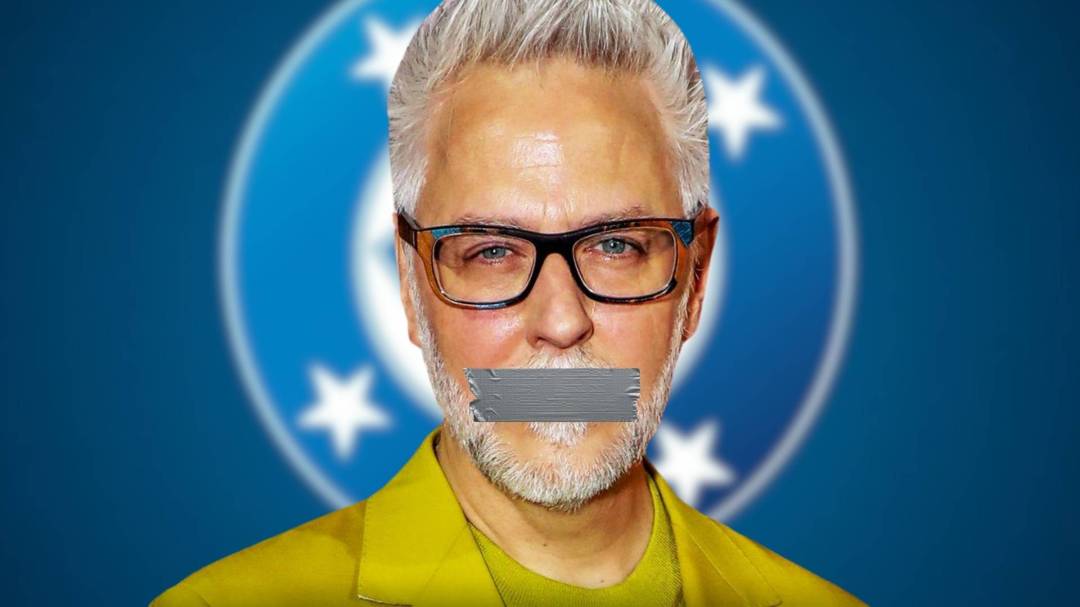
James Gunn can’t stop talking. That’s the real problem here. The Peacemaker finale wasn’t a disaster—it was fine. But fine doesn’t cut it when you’ve spent months hinting that you’ve got a secret so big you couldn’t even show it to your friends. Gunn promised the kind of finale that changes everything, the kind that ripples through the DC Universe and makes you rethink what came before. Instead, he gave us setup—competent, interesting, occasionally emotional setup—but setup all the same. Then, when the smoke cleared, he quietly admitted there are no plans for Peacemaker Season 3. That’s when fans realized the big ending might have actually been the ending.
For someone who built his reputation on transparency, Gunn has turned selective honesty into an art form. He doesn’t lie, exactly. He just speaks in a way that keeps the spotlight where he wants it. Before the finale dropped, he teased “huge surprises,” told us the last episodes were “massive,” and claimed they were too important to risk early leaks. What we got was a door cracked open for Checkmate and a faint gesture toward Superman: Man of Tomorrow, a movie we won’t see until 2027. The dots will probably connect later, but that’s not the point. Audiences don’t like being told to wait for dessert when they’ve been promised a feast.
And here’s where it gets sticky. Gunn isn’t just a filmmaker anymore. He’s the co-CEO of DC Studios—the face, the architect, the guy supposed to rebuild the house after Warner Bros. burned it down. Every tweet, every clarification, every half-joke about “trust me, it’ll make sense later” becomes part of a corporate narrative. But Gunn still acts like he’s the scrappy outsider from Guardians of the Galaxy, bantering with fans and correcting rumors in real time. The difference is that now he’s the system. He’s not trolling from the sidelines—he’s setting policy.
The Peacemaker backlash isn’t about one finale. It’s about fatigue. Audiences are tired of waiting for the payoff, tired of creators selling anticipation like it’s content. Marvel already learned that lesson the hard way: setup without release eventually collapses under its own weight. Gunn saw that happen and still couldn’t help himself. He thinks he’s playing the long game, but what he’s really doing is testing how far audience goodwill can stretch before it snaps.
And that instinct—to shape the story, to control the narrative—goes deeper than studio politics. You can trace it straight back to 2018, when old tweets resurfaced and cost him his job at Disney. He watched his reputation implode overnight, watched strangers weaponize his words while he stood there, powerless to stop it. He got rehired, sure, but you don’t walk away from that without scars. Now he’s in charge, and he’s overcorrecting. Every rumor squashed, every denial posted, every carefully worded defense feels like an echo of that moment—like he’s rewriting the past one social media post at a time.
The irony is that the more he explains, the less believable he sounds. Gunn says he doesn’t lie to fans. Maybe not. But he’s so determined to appear honest that it all starts to look like spin. When he says something isn’t happening, fans assume it probably is. When he teases “big reveals,” they brace for disappointment. He’s lost the benefit of the doubt, and once that’s gone, no amount of explanation brings it back.
There’s a version of James Gunn who could still fix this—the filmmaker who made The Suicide Squad feel both ridiculous and heartfelt, who wrote Peacemaker like a therapy session for a broken man in a ridiculous helmet. That Gunn knew when to let the work speak. This new one won’t stop narrating over his own movie. He’s tweeting between takes, clarifying interviews before they even air, trying to guide the conversation instead of letting it breathe. And in doing so, he’s suffocating his own story.
The truth is simple: Gunn doesn’t need to talk anymore. He’s already got the power, the platform, and the talent. What he lacks is restraint. The DCU doesn’t need another promise—it needs proof. It needs him to shut up, step back, and let the movies land without an interpretive essay attached. Because right now, he’s playing a dangerous game with audience trust, and the longer he keeps trying to win the argument, the faster he’s going to lose the crowd.

 Hollywood After Dark