
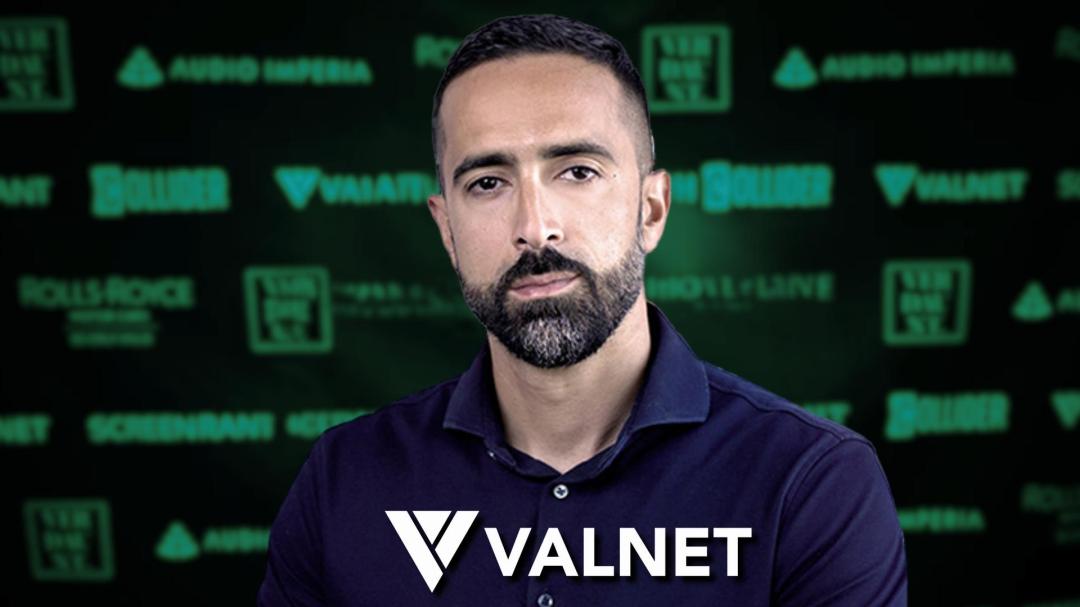
Every time you scroll past another “10 Best Movie Villains Who Were Actually Right” article, there’s a good chance it came from Screen Rant. And if it wasn’t them, it was Collider, or MovieWeb, or CBR—all owned by the same shadowy content machine known as Valnet Inc. You may not know that name, but you’ve absolutely read their stuff. Or at least clicked on it. They are everywhere, cranking out articles like a digital assembly line that never, ever shuts off.

But what if I told you this empire of listicles, casting rumors, and Marvel takes is built on a foundation that’s way shakier and way sleazier than it looks?
Let’s start at the top. Valnet is run by Hassan Youssef, a guy who started out in the online porn business. And not in a “he dabbled in it” kind of way. He helped build Brazzers and Pornhub into juggernauts before cashing out and pivoting to entertainment media. From one high-volume industry to another, he took what he learned about flooding the internet with addictive content and monetizing the hell out of it and turned that into Valnet. By 2012, he was buying up fan sites and turning them into article factories. Today, Valnet controls some of the biggest names in entertainment coverage.
On the surface, that might just sound like smart business. But when you peel back the curtain, it’s not just hustle—it’s exploitation. Valnet’s entire model relies on a sprawling army of freelancers. The problem is, those freelancers are often paid next to nothing. I’m talking as low as ten bucks an article. Sometimes a flat rate plus a few pennies per thousand views. These aren’t side gigs or passion pieces. These are full-length articles, often under tight deadlines, written by people trying to make a living in a broken industry.
It didn’t always used to be this way. Before Valnet came in, some of these outlets were paying writers $250 or more per piece. That’s real money. That’s rent money. Now? It’s you-can-maybe-grab-a-sandwich money.
And here’s where it gets darker. In February 2024, a writer named Daniel Quintiliano filed a class action lawsuit against Valnet. He used to write for MovieWeb, another site the company scooped up, and he’s saying what many freelancers have been whispering for years. That Valnet misclassified its contributors as independent contractors when they should’ve been treated as employees. No minimum wage. No overtime. No breaks. No expense reimbursements for the laptops and internet they’re using to do the work. Just a relentless stream of assignments in a system designed to chew you up and spit you out.
You’d think a company with that many eyes on it would tread carefully during a legal firestorm like this. But instead of laying low, Valnet went on the offensive. Multiple writers and critics have come forward saying they were hit with cease and desist letters from the company. Basically “shut up or else” notices. Joshua Tyler from Giant Freakin Robot got one after posting tweets about Valnet. Jenny Geist, a YouTuber, talked about her experience and then found herself on the receiving end of legal threats. It’s not just petty. It’s chilling. This is a company that’s not only paying writers peanuts but also trying to scare them into silence.

Interestingly, just days before this post, Collider published a puff piece of sorts, highlighting the “passionate team” behind its content and proudly declaring that the site is run “by pop culture fans just like you.” It’s the kind of narrative that wants to paint the company as scrappy, community-driven, and authentic. And sure, some of the people working inside the system might genuinely be fans doing their best. But when you set that up next to the treatment of freelancers, the low pay, the legal threats, and the unsustainable grind, it starts to feel less like a mission statement and more like corporate damage control. The reality is, a few passionate editors can’t mask a business model built to exploit.
Meanwhile, back at the ranch, Screen Rant continues its content blitzkrieg. And here’s the kicker—they’re not just publishing a lot. They’re publishing over 315 articles per day. That’s nearly 10,000 articles a month. That number isn’t just impressive. It’s industrial. It’s factory-line content production at a scale that leaves no room for nuance and certainly no time for fair compensation. With multiple Valnet sites running on similar models, the flood of material is endless.
And the thing is, once in a while, some of the content is actually good. Thoughtful, insightful even. But you’ll never see it. You won’t notice it. Because it gets buried under hundreds of “10 Things You Missed in the Echo Finale” or “Every X-Men Movie Ranked By Wolverine’s Hair.” There’s no space for quality to breathe. It’s all about volume. Just keep the conveyor belt moving.
And let’s not forget the human cost. For freelancers, this system is a trap. It promises exposure, resume clout, maybe even a pathway to a full-time gig, but more often it delivers burnout. Writers hustle for scraps, can’t rely on steady pay, and are constantly racing to stay ahead of an algorithm that doesn’t care about their voice or their talent. You’re not a journalist. You’re a cog.
Valnet isn’t the only one doing this, but it might be the loudest. It has perfected a model that too many other companies are now mimicking. Buy up content-rich sites, gut the pay structure, and drown the internet in a firehose of mediocrity. All while leaning on underpaid writers and threatening the ones who speak out.
It shouldn’t be like this. Online media doesn’t have to be a race to the bottom. But if this lawsuit doesn’t land, if no one pushes back, if the next generation of entertainment writers think this is just how the industry works, then the flood continues. And the people steering the ship? They’re counting on that silence.
So the next time you see a headline from Screen Rant, maybe think twice. Not about the list, or the ranking, or whether Loki really deserves that number two spot. Think about who wrote it. And whether they’re being paid fairly for their work. Because someone is cashing the check. And right now, it sure as hell isn’t the writer.

 Hollywood After Dark